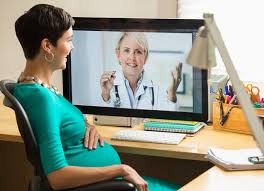
Telemedicine Pregnancy Questions
It’s totally normal to have questions about new ways to get healthcare. Telemedicine for pregnancy is one of those things. It means using video calls and phones for your doctor visits. This can feel different from the old way. Many people wonder if it’s as good or if it’s safe. This guide will walk you through what you need to know. We’ll cover your common worries and help you feel more sure.
Telemedicine for pregnancy offers convenient virtual prenatal appointments via video or phone. It’s a safe option for routine check-ups, answering questions, and monitoring well-being. While not a replacement for all in-person visits, it enhances accessibility and flexibility for expectant parents.
What is Telemedicine Pregnancy Care?
Telemedicine pregnancy care is simply using technology to connect with your doctor or care team. This is often called “virtual care” or “telehealth.” Instead of driving to the clinic, you might have a video chat. You can also talk by phone. Your doctor can check in on you and your baby this way. They can ask how you’re feeling. They can look at any updates you’ve shared. This is usually for regular check-ups. It’s not for emergencies or when you need a physical exam.
Why Are More Doctors Using Telemedicine for Pregnancy?
Doctors are using telemedicine more for several good reasons. First, it makes healthcare easier to get. You don’t have to take off work for long. You don’t need to find a babysitter. This is a big help for many families. It also means you can see your doctor from anywhere. You could be at home or even on a work break. This is especially helpful if you live far from the clinic. It can also be quicker. Sometimes, you can get an appointment sooner. This means your questions get answered faster.
My Own “Wait, What?” Moment with Virtual Care
I remember the first time my OB suggested a virtual visit. It was during a time when in-person visits were tricky. I felt a little uneasy. My mind raced with questions. How would they know if my baby was okay? What if something was wrong? I pictured myself on a small screen, hoping my doctor could “see” everything. I was worried about missing a crucial detail. That initial feeling of doubt is so common. It’s like trying a new recipe; you’re not sure how it will turn out.
Key Benefits of Telemedicine Pregnancy Appointments
Convenience: This is huge. No travel time means more time for you.
Accessibility: You can see your doctor even if you’re far away.
Reduced Exposure: Less time in waiting rooms means less risk of germs. This is great for your health.
Time Savings: Shorter appointments save precious hours.
Comfort: You can be in your own home. This feels more relaxed.
Frequent Check-ins: Your doctor might be able to check on you more often.
Lower Costs:* Sometimes, virtual visits are cheaper.
Quick Scan: What Telemedicine Pregnancy Covers
- Routine Check-ins: Discussing how you feel.
- Answering Questions: Getting expert advice.
- Medication Refills: Renewing prescriptions.
- Reviewing Test Results: Understanding your labs.
- Discussing Symptoms: Sharing concerns about nausea or sleep.
- Mental Health Check-ins: Talking about stress or mood.
What Happens During a Telemedicine Pregnancy Visit?
A virtual visit usually starts like a regular call. Your doctor’s office will set it up. They might send you a link. You’ll click it at your appointment time. You’ll see your doctor on the screen. They will ask you questions. How are you sleeping? How is your appetite? Have you felt any unusual symptoms? You can ask them questions too. You might be asked to take your own blood pressure at home. Some apps can help with this. You might also be asked to track your baby’s movements. Your doctor can explain how to do that. They will offer advice and reassurance.
What Stays the Same as an In-Person Visit?
Some things are still the same. You still get expert medical advice. Your doctor still cares about your health. You still get to ask your questions. You still get important information. The goal is the same: a healthy pregnancy. The main difference is how you connect. The care team wants to make sure you and your baby are doing well. They will use the tools they have. This includes your descriptions and any home readings you take.
Contrast: Normal vs. Concerning Telemedicine Pregnancy Signs
| Normal Signs (Discuss with Doctor) | Concerning Signs (Contact Doctor Immediately) |
|---|---|
| Mild nausea or fatigue | Severe vomiting, unable to keep fluids down |
| Occasional swelling in feet | Sudden, severe swelling of face or hands |
| Braxton Hicks contractions (mild, irregular) | Regular, painful contractions before 37 weeks |
| Slight changes in sleep patterns | Fever or chills |
| Feeling baby’s movements | Sudden decrease or absence of baby’s movements |
When is Telemedicine NOT a Good Choice for Pregnancy?
Telemedicine is great for many things. But it has limits. It cannot
What About Checking the Baby’s Heartbeat with Telemedicine?
This is a common question. Most often, you can’t check the baby’s heartbeat yourself during a virtual visit. Your doctor uses special equipment in the clinic. This is a Doppler or a fetal monitor. Some advanced programs might offer ways for you to use a home device. But this is not common for most virtual appointments. Your doctor will tell you when they need to hear the heartbeat in person. They will schedule those visits accordingly.
Can I Get Ultrasounds Through Telemedicine?
No, you cannot get an ultrasound through telemedicine. Ultrasounds require special equipment and trained technicians. They need to be done in a medical facility. Your doctor will schedule in-person ultrasounds at the right times during your pregnancy. These are important for checking your baby’s growth and health. Telemedicine can be used to discuss your ultrasound results. But the scan itself must be done in person.
Observation Flow: My Virtual Prenatal Check-in
I found a quiet spot at home. I made sure my internet was strong. I had a list of my questions ready.
My doctor appeared on screen. We both smiled. It felt pretty normal.
We talked about my sleep. I mentioned I was feeling tired. My doctor gave me some tips.
I asked about a weird twinge I felt. My doctor explained it was likely normal.
We scheduled my next in-person visit. The doctor told me what to watch for.
It was quick and helpful. I felt reassured.
What Technology Do I Need for Telemedicine Pregnancy Care?
You don’t need much. A smartphone or computer with a camera is key. You need a stable internet connection. Some apps might be needed. Your doctor’s office will guide you. They will tell you if you need to download anything. Make sure your device is charged. Find a place with good lighting for the video. Good sound is important too. Clear audio helps your doctor hear you. It also helps you hear them.
How Do I Prepare for a Virtual Prenatal Appointment?
Preparing is simple. First, write down any questions you have. Keep them handy. Think about how you’ve been feeling. Note any new symptoms or concerns. If you have a home blood pressure monitor, have your readings ready. Know your due date. Make sure you are in a quiet place. Close other apps on your device. This helps your connection run better. Also, wear something comfortable.
What If My Internet Is Bad During the Call?
This happens! If your video freezes, don’t panic. Try turning off your video for a moment. This can save data. If it stays bad, your doctor might suggest switching to a phone call. Many telemedicine platforms can do this. They can call your phone number. If you lose connection completely, call the doctor’s office directly. They will likely reschedule or find another way to connect. It’s okay to tell them if the tech isn’t working.
Stacked Micro-Sections: Understanding Your Pregnancy Milestones
Early Pregnancy (Weeks 1-12): Often involves initial health checks. Telemedicine can discuss symptoms like nausea and fatigue. Your first in-person visit is crucial here.
Mid-Pregnancy (Weeks 13-28): Routine check-ups become more spaced out. Telemedicine is excellent for answering questions about fetal movement and common discomforts. Ultrasounds happen in this period.
Late Pregnancy (Weeks 29-40+): Virtual visits can monitor your well-being and baby’s position. They help manage any late-term symptoms. More frequent in-person visits are common now.
Who Prescribes Medications for Pregnancy via Telemedicine?
Your doctor or midwife can prescribe medications. This includes prenatal vitamins. They can also refill other safe medications. They will consider your health and your baby’s health. They will only prescribe what is safe. Always ask questions if you are unsure about a medication. They will explain why it’s needed and how to take it.
My Experience with a “Silent” Symptom
I once had a really weird leg cramp. It felt different from the usual ones. I wasn’t sure if I should bother my doctor. But I remembered my virtual appointment was coming up. During the video call, I described it carefully. I told my doctor exactly when it happened and how it felt. She listened closely. She asked a few more questions. Then she said it sounded like a normal pregnancy cramp. She gave me some advice on stretching. It was so much easier than trying to get an emergency appointment. I felt heard.
Can Telemedicine Help with Mental Health During Pregnancy?
Yes, absolutely. Pregnancy can be a time of big emotions. Stress, anxiety, and mood swings are common. Telemedicine makes it easier to talk to a counselor or your doctor about how you’re feeling. You can do it from the comfort of your home. This can be a huge relief. Many women find it easier to open up virtually. It’s an important part of prenatal care.
What About My Partner’s Role in Telemedicine Visits?
Your partner is welcome to join! They can be right there with you during the video call. They can listen and ask questions. This is a great way for them to stay involved. They can learn what you’re learning. It helps them feel more connected to the pregnancy. Just make sure you have enough space on your screen. Or they can sit close by.
Split Insight Panel: Telemedicine Myth vs. Reality
Myth: Virtual visits are only for simple questions. Reality: Telemedicine can cover routine check-ins, symptom discussion, and medication management for many common pregnancy needs.
Myth: You can’t connect with your doctor emotionally through a screen. Reality: Many find virtual visits create a comfortable space for open and honest conversations, fostering a strong patient-doctor bond.
Myth: Telemedicine replaces all in-person prenatal care. Reality: Telemedicine complements, but does not fully replace, essential in-person exams, ultrasounds, and physical assessments.
How Do Doctors Ensure Patient Safety with Telemedicine?
Doctors use strict protocols. They follow guidelines from medical boards. They ensure your personal health information is private. They use secure platforms. They are trained to recognize when an in-person visit is needed. They will always tell you if you need to come in. They are experts at knowing the limits of virtual care.
My Trusty Home Toolkit for Virtual Visits
Over time, I built a little toolkit. It had a notebook and pen. It had my list of questions. I kept my prenatal vitamin bottle handy. I had my phone charger plugged in. I even put a water bottle nearby. It made the virtual visits feel more like a planned event. It helped me focus and get the most out of the time. It made me feel more in control.
Will My Insurance Cover Telemedicine Pregnancy Visits?
Most insurance plans now cover telemedicine. This includes pregnancy care. However, it’s always best to check. Call your insurance provider. Ask them about your specific plan. Ask about co-pays or deductibles for virtual visits. Your doctor’s office can also help you with this. They can often tell you what to expect.
Quick-Scan Table: When to Call Your Doctor (Virtual or In-Person)
| Symptom | Action |
|---|---|
| Fever over 100.4°F | Call doctor immediately. |
| Severe headache | Call doctor immediately. |
| Blurred vision | Call doctor immediately. |
| Less than 10 baby movements in 2 hours | Call doctor immediately. |
| Vaginal bleeding | Call doctor immediately. |
| Severe abdominal pain | Call doctor immediately. |
What Are the Long-Term Goals of Telemedicine in Pregnancy?
The big goal is to make prenatal care better for everyone. This means making it easier to access. It means making it more flexible. It means ensuring moms and babies get the best possible care. It’s about using technology smartly to support health. It’s about giving parents more options. It’s about building trust in new ways of getting care.
How Do I Know If My Doctor’s Office Offers Telemedicine?
The easiest way is to ask. Call your doctor’s office. You can also check their website. Many offices will mention their virtual care options. When you book your next appointment, ask if it can be done virtually. They will let you know if it’s suitable for your needs.
My Worries About “Missing Something”
I understand that worry deeply. It’s the feeling that something important might slip by unnoticed. I felt that too. But here’s what I learned. Doctors who use telemedicine are trained to ask the right questions. They know what to look for in your answers. They can often tell if something needs a closer look. They will always err on the side of caution. If they feel something is off, they will bring you in. Your safety and your baby’s safety are their top priority.
What if I Don’t Like My Telemedicine Experience?
It’s okay to have preferences. If you try telemedicine and it doesn’t feel right for you, talk to your doctor. Explain your concerns. They can help you understand the options. Maybe you’ll need fewer virtual visits. Maybe you prefer all in-person care. Your doctor will work with you to find a plan that makes you feel comfortable and safe. This is your pregnancy journey.
My First Virtual Visit Story
I remember my first virtual prenatal check-in. It was about week 20. I was feeling pretty good, but I had a weird ache in my back. I told myself, “Just wait for the appointment.” So, I logged on from my living room. My doctor popped up, smiling. We chatted about my energy levels and sleep. Then, I mentioned the back ache. She asked me to describe it. I told her it was sharp sometimes. She asked if it moved. I said no. She thought for a moment. “That sounds like round ligament pain,” she said. “It’s your uterus growing and stretching. It’s very normal.” She told me what to do to help it. I felt so relieved. It was quick, easy, and I got an answer.
Is Telemedicine Just for Low-Risk Pregnancies?
Generally, yes. Telemedicine is best suited for routine, low-risk pregnancies. For high-risk pregnancies, more frequent in-person monitoring is usually needed. This includes things like pre-existing conditions or pregnancy complications. However, some aspects of high-risk care can still be supported by telemedicine. For example, follow-up calls to discuss test results or symptoms. Always discuss your specific situation with your doctor.
What About When I’m Really Sick?
If you have a severe illness, like the flu, or a high fever, telemedicine can still be useful. Your doctor can assess your symptoms virtually. They can advise you on rest, fluids, and safe medications. They can tell you if you need to go to the ER. It’s a good way to get initial advice without exposing others.
The Future of Pregnancy Care and Telemedicine
Telemedicine is here to stay. It’s changing how we get healthcare. For pregnancy, it means more choices for parents. It means easier access to doctors. It means care that fits into busy lives. As technology improves, we’ll likely see even more innovative ways to use it. It’s all about making pregnancy safer and easier for everyone.
Your Questions Answered: More Common Scenarios
Q: Can I use telemedicine if I have a history of complications?
A: It depends on the complication and your doctor’s advice. For most severe or ongoing issues, in-person care is preferred. Your doctor will guide you.
Q: What if I feel my baby moving less?
A: This is a serious concern. You should contact your doctor or go to the ER immediately. Do not rely on telemedicine for this.
Q: Can I discuss birth plans through telemedicine?
A: Yes, virtual visits are great for discussing your birth preferences and asking questions about labor and delivery.
Q: Will I still get lab tests done virtually?
A: No, lab tests require you to visit a lab. Telemedicine can be used to discuss the results afterward.
Q: What if I have questions about diet and exercise?
A: Telemedicine is perfect for this. Your doctor can give you advice on safe nutrition and fitness during pregnancy.
Q: Can my partner join every visit?
A: Yes, most telemedicine platforms allow multiple people to join a call. It’s a great way for partners to stay involved.
Final Thoughts on Virtual Prenatal Care
Telemedicine pregnancy care is a helpful tool. It offers convenience and access. It’s not a replacement for all visits. But it’s a smart way to get support. Use it for its strengths. Trust your doctor’s advice. And remember, your health and your baby’s health come first.

Related Posts

Paid Pregnancy Community Membership

Email Segmentation Pregnancy Newsletter