Create Sell Pregnancy Online Course
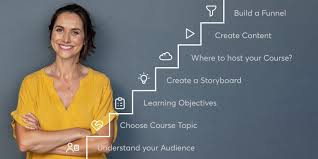
Creating and selling a pregnancy online course involves careful planning and execution. It requires understanding your audience, developing valuable content, choosing the right platform, and effective marketing. This guide will walk you through each step needed to successfully launch and profit from your course.
What Is a Pregnancy Online Course?
An online course about pregnancy is a digital learning program. It shares information and guidance related to expecting a baby. Think of it as a structured way to learn about pregnancy.
This can cover many topics. It might include prenatal care, nutrition during pregnancy, labor and delivery prep, or postpartum recovery.
These courses are usually pre-recorded videos, written lessons, or interactive quizzes. They are accessible anytime, anywhere. This makes them super convenient for busy parents-to-be.
The goal is to empower expectant parents with knowledge. They learn how to stay healthy and feel ready for their new baby. People creating these courses often have expertise.
This can be from being a healthcare professional or a parent themselves.
My Own Stumble into Online Teaching
I remember the first time I thought about making an online course. It was years ago. I’d spent months researching baby sleep.
My friends kept asking me for tips. They were tired and stressed. I loved sharing what I learned.
One evening, after another long chat, a friend said, “You should write a book!” The thought felt huge. Then, someone else mentioned online courses. That sparked something.
Could I put all my sleep advice into a format others could buy and use?
The idea was exciting but also scary. I pictured complex software and fancy video gear. My first attempt was a mess.
I wrote way too much. I tried to cover every single sleep issue known to man. The text was dense.
It felt like reading a textbook. I got overwhelmed. I almost quit.
I realized I was trying to be too much of an expert and not enough of a friend sharing helpful advice. That’s when I took a step back. I decided to focus on just the core problems new parents face with sleep.
I simplified everything. I thought about how I’d explain it over coffee.
It took time. But seeing people’s relief and getting messages that said, “This actually worked!” was amazing. That’s the power of a well-made course.
It can truly help someone through a tough time.
Your Course Idea: Finding Your Niche
What is your specific expertise? Think about your strongest skills or knowledge about pregnancy. Are you a doula? A nutritionist?
A prenatal yoga instructor? Or maybe you’re a mom who navigated a specific pregnancy challenge?
Who are you helping? Define your ideal student. Are they first-time moms? Moms expecting multiples?
Moms focused on natural birth? Knowing this helps tailor your content.
What problem does your course solve? Every good course addresses a pain point. For pregnancy, this could be managing morning sickness, understanding birth options, or preparing for breastfeeding.
The Core of Your Course: What to Teach
The heart of your online course is the content. For a pregnancy course, this content needs to be accurate and helpful. It should guide your students.
It should make them feel more prepared and less anxious.
Think about the journey of a pregnant person. It starts with finding out they are pregnant. It ends after the baby arrives.
You can create modules for different stages. For example, “First Trimester Essentials.” Or “Getting Ready for Labor.”
Each module should have clear learning goals. What should your student know or be able to do after completing it? Keep lessons short and focused.
This helps people learn without getting overwhelmed.
Use a mix of teaching methods. Videos are great for showing exercises or demonstrating techniques. Written guides can offer detailed information.
Checklists help students track their progress. Quizzes can test understanding.
Course Structure Ideas
- Module 1: Early Pregnancy Signs & Symptoms
- Module 2: Nutrition for a Healthy Pregnancy
- Module 3: Understanding Prenatal Tests
- Module 4: Preparing Your Body for Labor
- Module 5: Birth Plan Basics
- Module 6: Postpartum Care for Mom & Baby
Make sure your information is up-to-date. Pregnancy advice can change. Rely on trusted sources.
This builds trust with your students. People are trusting you with their health and their baby’s health. That’s a big responsibility.
It’s also wise to include a section on when to seek professional medical advice. Your course is a guide, not a replacement for a doctor or midwife. This is crucial for safety and trust.
It shows you are responsible.
Making Your Content Engaging and Easy to Understand
Even the best information falls flat if it’s hard to digest. Think about how you learn best. You probably don’t like long, boring lectures.
Online courses should be the opposite. They should be fun and easy.
Use simple language. Avoid jargon or medical terms where possible. If you must use them, explain them clearly.
Imagine you are talking to a friend. You want them to understand you easily.
Break down complex ideas into smaller steps. Use analogies. Tell stories.
People remember stories better than facts alone. Your own experiences can be powerful here.
Visuals help. While we can’t include them in this text format, think about adding graphics or diagrams in your actual course. If you’re doing videos, make sure the lighting is good.
Speak clearly and enthusiastically. Your energy matters!
Keep sentences short. Use 2-3 sentences per paragraph. This makes the text easy to scan.
People often skim online content. Short paragraphs help them get the main points quickly. It also makes the material feel less intimidating.
Choosing the Right Platform to Host Your Course
Once your content is ready, you need a place to put it. This is your online course platform. There are many options out there.
Each has its own pros and cons.
Some platforms are all-in-one solutions. They handle payments, hosting, and student management. Examples include Teachable, Kajabi, and Thinkific.
These are often popular because they are user-friendly. They let you focus on teaching, not tech.
Other options involve more DIY. You could use a website builder like WordPress with a plugin like LearnDash. This gives you more control but requires more technical setup.
You’ll need to manage hosting, security, and payments yourself.
Consider your budget and your tech skills. If you’re just starting, an all-in-one platform might be best. They often have free trials or lower-cost plans to start.
As you grow, you can always switch.
Think about the features you need. Do you want to offer live Q&A sessions? Do you need a community forum for students?
Does the platform integrate with your email marketing service?
Make sure the platform is mobile-friendly. Many people will access your course on their phones. It needs to look good and work well on any device.
A smooth user experience is key for happy students.
Platform Feature Checklist
- Ease of Use: Is it simple for you and your students?
- Pricing: Does it fit your budget? Look for tiered plans.
- Customization: Can you brand it to look like yours?
- Payment Processing: How does it handle sales?
- Student Support: Does it have tools for managing students?
- Marketing Tools: Does it offer email integrations or affiliate programs?
Pricing Your Pregnancy Course
Figuring out the right price can be tricky. You want to charge enough to make it worthwhile. But you don’t want to price yourself out of the market.
Look at what similar courses are selling for. Search for other pregnancy online courses. See their pricing.
But don’t just copy them. Consider the value you offer. Do you have unique insights?
Is your course more comprehensive?
Think about the transformation you provide. If your course helps someone feel confident and prepared for childbirth, that’s huge value. It’s worth more than just information.
You can also offer different pricing tiers. A basic version with just the core content. A premium version with added bonuses like one-on-one coaching or a private community.
This allows people to choose what fits their needs and budget.
Don’t be afraid to charge what you’re worth. If you’ve put in a lot of work and offer high-quality, valuable content, price it accordingly. It’s better to have fewer students paying a good price than many students paying very little.
Consider offering payment plans. This makes your course more accessible. People can pay in installments.
This can increase your sales significantly. Many platforms have built-in payment plan features.
Marketing Your Course to Expectant Parents
Creating a great course is only half the battle. You need to tell people about it! Marketing is how you reach your potential students.
Start with your network. Tell friends, family, and colleagues. They might know someone who is expecting.
They can spread the word.
Build an email list. Offer a freebie related to pregnancy. This could be a checklist of things to pack for the hospital.
Or a short guide to healthy pregnancy snacks. When people sign up for your freebie, they join your email list. You can then email them about your course.
Use social media. Share helpful tips and insights. Engage with expectant parents online.
Join relevant groups. Be a helpful voice, not just a salesperson.
Consider paid advertising. Platforms like Facebook and Instagram allow you to target ads to people interested in pregnancy. This can be very effective, but it costs money.
Marketing Channel Quick Guide
Email Marketing: Build your list with a valuable freebie. Nurture leads with helpful content and course announcements.
Social Media: Share tips, go live, engage in groups. Use relevant hashtags like #pregnancy #expectingmom #newbaby.
Content Marketing: Write blog posts or create short videos about pregnancy topics. Link back to your course.
Collaborations: Partner with other pregnancy professionals (e.g., photographers, lactation consultants) for cross-promotion.
Paid Ads: Use Facebook, Instagram, or Google Ads to reach a targeted audience.
Focus on the benefits. What will students gain? Less fear?
More confidence? A healthier pregnancy? Highlight these outcomes in your marketing.
Show them how your course can make their pregnancy journey better.
Real-Life Scenarios: What Happens After Launch
The day you launch your course can be nerve-wracking. You’ve poured so much into it. You’re waiting to see if anyone signs up.
I remember my first launch. I felt a mix of excitement and dread. I kept checking my email for sales notifications.
The first few sales came in slowly. Then, a friend shared my course on their social media. That led to a few more sign-ups.
It wasn’t a tidal wave, but it was progress. I celebrated each new student. I sent them a welcome email personally.
What I learned is that the launch is just the beginning. You need to support your students. Answer their questions promptly.
Engage with them in any community forums you’ve set up. Their success is your success.
Sometimes, you’ll get feedback. Some might be critical. See it as a chance to improve.
Could a lesson be clearer? Is there a topic missing? Use this feedback to update and enhance your course.
This shows you care and makes your course even better.
Other times, you’ll get wonderful testimonials. These are gold! Ask happy students if they’d be willing to share their experience.
These testimonials are powerful social proof for future marketing. They convince new people that your course is worth their investment.
When is a Pregnancy Course “Normal” vs. “Concerning”?
It’s important to talk about what’s normal during pregnancy and what might need extra attention. Your course should offer guidance, but it’s not a medical tool.
Normal Pregnancy Experiences:
- Morning sickness in the first trimester.
- Fatigue and tiredness.
- Changes in appetite.
- Backaches and pelvic pressure as the pregnancy progresses.
- Swelling in the feet and ankles.
These are common. Your course can offer tips for managing them. For example, suggesting certain foods for nausea or stretches for back pain.
This is practical, helpful advice.
Concerning Pregnancy Signs:
- Severe or persistent vomiting that prevents keeping fluids down.
- Heavy bleeding at any stage.
- Sharp or severe abdominal pain.
- Reduced fetal movement after a certain point in pregnancy.
- Fever or chills.
Your course should clearly state that these symptoms require immediate medical attention. You should not try to diagnose or treat them. Emphasize that your course is for educational purposes.
Always advise students to contact their healthcare provider for any concerns.
This distinction is vital for building trust and ensuring safety. It shows you are an expert who understands the limits of online education. You are providing support, not medical care.
This is a key part of your trustworthiness.
Myth vs. Reality: Common Pregnancy Beliefs
Myth: You need to eat for two.
Reality: While nutritional needs increase, “eating for two” doesn’t mean doubling your intake. It means focusing on nutrient-dense foods for both you and the baby. Your course can explain portion sizes and key nutrients.
Myth: All pregnant women get severe morning sickness.
Reality: Morning sickness varies greatly. Some women have mild nausea, while others experience severe vomiting (hyperemesis gravidarum). Your course can discuss management strategies for common nausea.
Quick Tips for Course Creation and Selling
Making and selling an online course doesn’t have to be overwhelming. Here are some quick tips to keep in mind:
- Start Simple: Don’t try to create the ultimate course on day one. Focus on one core problem and solve it well.
- Get Feedback Early: Share drafts or outlines with trusted friends or a small group of testers. Their input is invaluable.
- Keep it Actionable: Provide clear steps and takeaways. Students want to know what to do.
- Be Yourself: Let your personality shine through. People connect with real people.
- Automate Where Possible: Use email sequences and platform features to save time on repetitive tasks.
- Track Your Results: Monitor your sales, student engagement, and feedback. Use this data to improve.
Remember, consistency is key. Keep marketing and keep refining your course. Each sale is a step forward.
Each student you help is a success.
Quick Scan: Essential Course Elements
| Content Quality | Accurate, up-to-date, and easy to understand |
| Platform Choice | User-friendly, good features, fits budget |
| Pricing Strategy | Reflects value, competitive, offers options |
| Marketing Plan | Reaches target audience, highlights benefits |
| Student Support | Responsive, encouraging, helpful |
Frequently Asked Questions About Pregnancy Courses
What topics should I include in a pregnancy online course?
You should cover topics relevant to your specific niche and target audience. Common areas include prenatal nutrition, exercise, common pregnancy symptoms and how to manage them, prenatal testing, labor and delivery preparation, birth options, and early postpartum care for mom and baby.
How do I price my pregnancy online course?
Research similar courses, consider the depth and uniqueness of your content, and evaluate the transformation you offer. You can also offer different tiers or payment plans to make it more accessible. Don’t undervalue your expertise and the value you provide.
What is the best platform for selling online courses?
Popular all-in-one platforms like Teachable, Kajabi, and Thinkific are great for beginners due to their user-friendliness. For more control, you could use WordPress with plugins like LearnDash. Consider your budget, technical skills, and desired features.
How can I market my pregnancy course effectively?
Build an email list by offering a free resource, use social media to share valuable tips and engage with your audience, consider collaborations with other professionals, and explore paid advertising options. Focus on the benefits and solutions your course provides.
Is it okay to give medical advice in my pregnancy course?
No, it is generally not advisable to give direct medical advice. Your course should provide educational information and helpful tips. Always emphasize that students should consult their healthcare provider for any medical concerns or decisions.
Include disclaimers clearly stating this.
How long should my online pregnancy course be?
The length can vary greatly. Focus on delivering comprehensive, high-quality content rather than just hitting a word count or video hour target. Keep lessons concise and focused, typically ranging from 5-20 minutes per video or a few pages per written module, depending on the complexity.
Final Thoughts on Creating Your Course
Creating and selling a pregnancy online course is a rewarding journey. It lets you share your knowledge and help others. It takes planning, effort, and a focus on your students’ needs.
Start with a clear idea. Build valuable content. Choose the right tools.
Market with passion. You can do this!

Related Posts

Paid Pregnancy Community Membership

Email Segmentation Pregnancy Newsletter