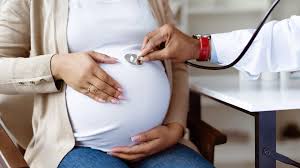
Twin Pregnancy Symptoms Vs Singleton
Early signs of twin pregnancy can include heightened symptoms like extreme fatigue, nausea, and rapid weight gain. These are often more intense than in a singleton pregnancy. However, many early symptoms overlap, making it hard to tell without medical confirmation.
A doctor’s visit and ultrasound are the surest ways to know.
Understanding Twin Pregnancy Signs
When you’re pregnant, your body goes through amazing changes. Some of these changes are universal, like a missed period or tender breasts. Others can be a bit more specific.
For twin pregnancies, these signs often show up earlier and feel stronger than with a single baby. It’s like your body is working overtime.
Think about it: two little heartbeats to grow, two little bodies to nurture. Your hormones surge higher, faster. This can make classic pregnancy symptoms seem turned up a notch.
You might feel more tired, more queasy, or notice your belly growing quicker.
But here’s the tricky part: many of these heightened signs can also happen in a perfectly normal singleton pregnancy. Stress, individual hormone levels, or even just your body’s unique response can mimic twin signs. So, while these clues are interesting, they aren’t definitive proof.
The biggest clue, of course, comes from your doctor. An ultrasound is the gold standard. It’s the only way to see two little ones sharing your womb.
But until that appointment, understanding the possible early signals can offer some insight and peace of mind.
My Twin Pregnancy Journey: The Early Days
I remember the fog of early pregnancy with my first. I was tired, yes, but it felt manageable. With my second, which turned out to be twins, it was a different story.
From about week 5, I was hit by a wave of exhaustion unlike anything I had ever felt. It wasn’t just “tired”; it was bone-deep, can’t-get-off-the-couch tired.
My morning sickness started on day one, or so it felt. It was relentless. Not just in the morning, but all day and all night.
I’d wake up feeling sick. I couldn’t stand the smell of coffee, which I usually loved. Even thinking about certain foods made my stomach churn.
It was so intense, I distinctly remember thinking, “This can’t just be one baby.”
My belly also seemed to pop out much sooner. By 8 weeks, I looked more like I was 16 weeks with my singleton. My clothes were already tight.
I felt this pressure, this fullness, that was just… more. It was a mix of excitement and a little bit of panic. Was this normal?
Was I doing something wrong? That uncertainty is a heavy feeling when you’re just trying to get through the day.
Looking back, those early signs were my body’s way of telling me something big was happening. It’s a story many mothers of multiples share – that gut feeling, that sense that things are just a little bit amplified. But it’s easy to dismiss it as just “being pregnant,” especially if it’s your first time.
Heightened Fatigue: More Than Just Tired
Fatigue is one of the most common early pregnancy symptoms. In a singleton pregnancy, it’s often due to rising progesterone levels. This hormone helps support the pregnancy.
It also has a sedating effect. Your body is also working hard to create the placenta and support your growing baby.
For women carrying twins, this fatigue can be much more pronounced. You have two placentas to grow. You have two babies developing.
Your body needs to produce even more hormones, like progesterone and hCG (human chorionic gonadotropin). These higher hormone levels can lead to extreme tiredness.
It’s not just a little sleepy. It’s a profound exhaustion. You might find yourself falling asleep while watching TV, or needing naps throughout the day.
Even simple tasks can feel overwhelming. This level of fatigue can start as early as 6 to 8 weeks into the pregnancy. It’s often one of the first clues that something might be different.
Think of it like this: your body is running a marathon. For a singleton pregnancy, it’s a strong, steady pace. For twins, it’s more like an ultra-marathon, requiring immense energy reserves from the very beginning.
If you’re feeling utterly drained, more so than you might expect, it’s worth paying attention to.
Key takeaway: Extreme, debilitating fatigue starting early in pregnancy can be a sign of multiples.
Comparing Fatigue Levels
Singleton Pregnancy: Moderate to significant tiredness, often peaking in the first trimester and improving in the second.
Twin Pregnancy: Intense, overwhelming fatigue that can last longer and be more severe, sometimes continuing into the later stages.
What to do: Listen to your body. Rest when you can. Talk to your doctor if the fatigue is unmanageable.
Nausea and Vomiting: The “Morning” Sickness Dilemma
Nausea and vomiting, commonly called morning sickness, are also hallmarks of early pregnancy. They are thought to be linked to the rapid rise in hCG. This hormone is produced by the developing placenta.
In a singleton pregnancy, morning sickness can range from mild queasiness to severe vomiting (hyperemesis gravidarum). It often starts around week 6 and usually subsides by the second trimester, though some women experience it longer.
For twin pregnancies, the hCG levels are typically much higher and rise faster. This can lead to more intense and persistent nausea and vomiting. Some women report their morning sickness in a twin pregnancy feels significantly worse than in previous singleton pregnancies.
It’s not uncommon for women carrying twins to experience vomiting multiple times a day, every day. The nausea can be constant, triggered by smells, sights, or even just the thought of food. This can make eating and staying hydrated a real challenge.
If your morning sickness feels overwhelming, or you’re having trouble keeping anything down, it’s crucial to contact your healthcare provider. They can offer strategies to manage symptoms and ensure you and your babies are getting enough nutrients.
Key takeaway: Severe or unusually intense nausea and vomiting may indicate a twin pregnancy.
Rapid Uterine Growth and Belly Size
As your pregnancy progresses, your uterus grows to accommodate your developing baby. Your belly will start to show. In a singleton pregnancy, this growth is steady and predictable.
With twins, there are two babies growing. This means your uterus will likely expand at a faster rate. You might notice your belly getting larger sooner than expected.
Clothes that fit at 10 weeks pregnant with one baby might feel too snug when expecting twins.
Doctors measure the “fundal height” – the distance from your pubic bone to the top of your uterus. This measurement is often larger than expected for your gestational age in a twin pregnancy. For instance, at 12 weeks, your uterus might feel like it’s already 16 weeks along.
This earlier and faster growth can also contribute to other symptoms. You might feel pressure in your pelvis sooner. You could experience backache earlier.
Some women feel increased cramping because the uterus is stretching more rapidly.
It’s important to remember that every body is different. Some women carry their babies “small,” and some carry “large” even with a singleton. But a significantly larger-than-expected belly for your due date can be a strong indicator of multiples.
Key takeaway: A belly that seems to grow much faster or is larger than expected for your gestational age is a common sign of twin pregnancy.
Signs of Rapid Growth
- Clothes fitting tighter: Your maternity pants might be needed much earlier.
- Visible belly: Your bump may be noticeable sooner than you’d expect.
- Increased pressure: You might feel fullness or pressure in your lower abdomen early on.
- Doctor’s measurements: A fundal height measurement larger than average for your weeks of pregnancy.
Higher hCG Levels
Human chorionic gonadotropin (hCG) is a hormone produced by the placenta shortly after implantation. It’s the hormone detected by most pregnancy tests. In a twin pregnancy, the placenta often has more cells, leading to higher levels of hCG.
These higher hCG levels are thought to contribute to the more intense early pregnancy symptoms like severe nausea and fatigue. Some doctors will monitor hCG levels in early pregnancy, especially if there’s a concern about miscarriage or ectopic pregnancy. A significantly higher level than expected for your gestational age can be a clue.
However, hCG levels vary widely even in singleton pregnancies. So, while high hCG levels can be suggestive, they are not a definitive diagnostic tool for twins on their own. Many women with high hCG levels have single babies, and some with lower levels might be carrying twins.
The timing of when hCG levels are checked also matters. A blood test taken very early might show a higher-than-expected number. If your doctor performs blood tests and notes these elevated levels, they might order an ultrasound sooner to investigate.
Key takeaway: Significantly elevated hCG levels detected in early pregnancy blood tests can be an indicator of a twin pregnancy.
Feeling Movement Earlier or More Frequently
Feeling your baby’s first kicks, often called “quickening,” is a magical milestone. For first-time mothers, this usually happens between 18 and 20 weeks. If you’ve been pregnant before, you might feel it a bit sooner, around 16 weeks.
With twins, because there are two babies, you might feel movement earlier. You might also feel more movement overall. Two little bodies kicking and squirming can create a sensation that feels more active than a single baby.
Some women report feeling flutters or little taps as early as 14-16 weeks, even if it’s their first pregnancy. This is because there are two potential sources of movement. Even if one baby is more active, the combined activity can be more noticeable.
It’s also possible that because the uterus is growing faster and potentially stretching the surrounding tissues more, you might feel sensations that could be interpreted as movement earlier. It’s a nuanced symptom, as feeling movement is very subjective and depends on many factors, including where the babies are positioned.
Don’t rely solely on this sign, as movement perception varies greatly. However, if you’re feeling those first fluttery sensations much earlier than expected, or a lot of activity very soon after, it’s another piece of the puzzle.
Key takeaway: Feeling fetal movements earlier than expected, or a lot of activity very soon after, could suggest a twin pregnancy.
When Do You Feel Movement?
Singleton First Pregnancy: 18-20 weeks
Singleton Subsequent Pregnancy: 16-18 weeks
Twin Pregnancy (potential): As early as 14-16 weeks, or more frequent movement noticed.
Important Note: This is highly individual. Many factors affect when you feel movement.
Other Potential Clues
Beyond the most common signs, other physical changes might hint at carrying twins. These are less reliable on their own but can add to the overall
- Sudden Weight Gain: Gaining weight faster than expected for your gestational age can be a sign. Your doctor will monitor your weight gain curve.
- Increased Appetite: With two babies to feed, your appetite might increase earlier or be more voracious than in a singleton pregnancy.
- Mood Swings: While mood swings are common in all pregnancies due to hormonal shifts, they might feel more intense with the higher hormone levels in a twin pregnancy.
- Heartburn and Indigestion: As the uterus grows and presses on your stomach, heartburn can occur. With twins, this pressure might build sooner and feel more intense.
- Frequent Urination: Increased pressure on your bladder, combined with hormonal changes, can lead to more frequent trips to the restroom. This can be amplified with twins.
- Backache: The extra weight and the stretching of your ligaments can lead to back pain. This might start earlier and be more pronounced with twins.
These symptoms often overlap with typical singleton pregnancy symptoms. They are worth noting but are not diagnostic on their own. They work best when considered alongside other potential indicators.
What Doctors Look For: Medical Confirmation
While our bodies give us clues, medical professionals have definitive ways to confirm a twin pregnancy. These methods are reliable and offer peace of mind.
1. Ultrasound
This is the most common and accurate way to detect twins. An ultrasound uses sound waves to create images of your uterus. It can usually detect two gestational sacs or two fetuses as early as 6-8 weeks of pregnancy.
There are different types of ultrasounds:
- Transvaginal Ultrasound: This is often done in early pregnancy (before 8 weeks). The ultrasound wand is inserted into the vagina, providing clear images of the early development inside the uterus.
- Transabdominal Ultrasound: This is done later in pregnancy (after 8-10 weeks). The wand is moved over the abdomen.
The ultrasound can also determine if the twins share a placenta (monochorionic) or have separate placentas (dichorionic), and if they are in the same amniotic sac (monoamniotic) or separate sacs (diamniotic). This information is important for monitoring the pregnancy.
2. Fetal Heartbeat Detection
A doctor can use a handheld Doppler device to listen for fetal heartbeats. In a twin pregnancy, they might be able to detect two distinct heartbeats. However, it can be challenging to differentiate between two heartbeats, especially early on or if the babies are close together.
Sometimes, you might hear one strong heartbeat and one fainter one, or two that sound very similar. This can raise suspicion, but an ultrasound is needed for confirmation.
3. Maternal Serum Screening Tests
Some prenatal blood tests, like the alpha-fetoprotein (AFP) test, can sometimes show higher levels in a twin pregnancy. These tests are often done between 15-20 weeks. Higher AFP levels can indicate a higher chance of certain birth defects or multiples.
However, these tests are not definitive for twins. They are screening tools, and a positive result would lead to further investigation, typically an ultrasound.
Singleton vs. Twin Pregnancy Symptoms: A Quick Comparison
Let’s break down how symptoms might differ:
Symptom Comparison Table
| Symptom | Singleton Pregnancy | Twin Pregnancy (Often More Intense) |
|---|---|---|
| Fatigue | Moderate to significant | Extreme, overwhelming |
| Nausea/Vomiting | Mild to severe | More severe, persistent, debilitating |
| Uterine Size/Belly Growth | Steady, expected growth | Faster growth, larger than expected for dates |
| hCG Levels | Normal range for singleton | Often higher than average for singleton |
| Fetal Movement | Starts later (18-20 weeks first time) | May be felt earlier (14-16 weeks) or be more frequent |
| Weight Gain | Steady, gradual | Potentially faster gain earlier on |
| Heartburn | Can occur, often later | May occur earlier and be more severe |
It’s vital to remember that these are general comparisons. Your personal experience might vary greatly.
When to See Your Doctor
If you’re experiencing any of the symptoms discussed, especially if they are unusually intense or appear earlier than expected, it’s always a good idea to talk to your healthcare provider. Don’t hesitate to voice your concerns.
You should definitely contact your doctor if you experience:
- Severe, persistent vomiting that prevents you from keeping down food or fluids.
- Unusual or extreme fatigue that impacts your daily life significantly.
- Rapid or excessive weight gain.
- Any bleeding or spotting.
- Severe abdominal pain or cramping.
- Signs of dehydration (dizziness, dry mouth, reduced urination).
Your doctor is your best resource for accurate information and care. They can perform the necessary checks and provide reassurance or guidance.
Navigating the First Trimester with Twins
The first trimester is a critical period for both singleton and twin pregnancies. It’s a time of rapid development for your babies. For mothers expecting multiples, this phase can feel particularly demanding due to the heightened symptoms.
Focus on self-care. This means getting as much rest as possible. It means trying to eat nutritious foods, even if your appetite is small or you feel nauseous.
Small, frequent meals can be easier to manage than large ones.
Stay hydrated. Sip water or other fluids throughout the day. If plain water is difficult, try diluted juice, herbal teas, or even popsicles.
Electrolyte drinks can be helpful if you’re experiencing a lot of vomiting.
Lean on your support system. Talk to your partner, family, or friends about how you’re feeling. Sharing your experiences can make a big difference.
Joining online forums or local support groups for parents of multiples can also provide valuable connection and advice.
Don’t be afraid to ask for help with daily tasks. If you’re feeling overwhelmed by fatigue or nausea, delegate chores or ask for assistance.
The Role of Genetics and Family History
Sometimes, genetics can play a role in having twins. Identical (monozygotic) twins, which occur when a single fertilized egg splits, are largely a matter of chance and not inherited. However, fraternal (dizygotic) twins, which result from the fertilization of two separate eggs by two separate sperm, can run in families.
Specifically, a woman’s tendency to release more than one egg can be inherited. If fraternal twins run on the mother’s side of the family, her chances of conceiving fraternal twins might be slightly higher. Other factors influencing fraternal twinning include maternal age (older women are more likely to release multiple eggs) and certain fertility treatments.
While family history can influence fraternal twins, it doesn’t directly cause the symptoms we’ve discussed. The symptoms are a result of the body’s response to carrying multiple pregnancies, regardless of how they came about.
What It Means for Your Pregnancy Journey
Discovering you’re pregnant with twins often comes with a mix of excitement and apprehension. While many early symptoms might be similar to a singleton pregnancy, a heightened intensity or earlier onset can be key indicators.
For expectant mothers of twins, there are often more frequent doctor’s appointments and monitoring. This is because twin pregnancies are considered higher risk. Your healthcare provider will want to keep a close eye on your health and the growth of your babies.
You might be advised to focus on nutrition and weight gain more diligently. Early labor can also be a concern, so your doctor might discuss signs of preterm labor with you.
However, the vast majority of twin pregnancies result in healthy babies. With good prenatal care and attention to your body’s signals, you can navigate this special journey with confidence.
Frequently Asked Questions
Can you feel two babies moving very early on?
It’s unlikely you would feel distinct movements from two babies very early in pregnancy. You might feel general fluttering or sensations as your uterus stretches. True fetal kicks are typically felt between 16-20 weeks, and you might notice more frequent sensations if carrying twins.
Is it possible to have severe morning sickness with a singleton pregnancy?
Yes, absolutely. Severe morning sickness, known as hyperemesis gravidarum, can occur in singleton pregnancies. It is not exclusively a sign of twins, though it is often more intense in twin pregnancies.
How quickly does your belly grow with twins?
Your belly often grows much faster with twins. By the end of the first trimester, your uterus might be the size it would typically be at 16-20 weeks with a singleton. You’ll likely notice your baby bump appearing much sooner.
When can an ultrasound detect twins?
Twins can often be detected by an ultrasound as early as 6-8 weeks into the pregnancy. A transvaginal ultrasound is most effective for visualizing early twins.
Are twin pregnancy symptoms always worse?
While many symptoms are often more intense in twin pregnancies, this isn’t universally true. Some women have very mild symptoms with twins, and some have severe symptoms with singletons. It depends greatly on individual body chemistry and hormones.
What if I have all singleton symptoms but not the “twin” ones?
It’s perfectly normal to have typical singleton symptoms even if you are pregnant with twins. The absence of “heightened” symptoms doesn’t rule out multiples. Similarly, having some heightened symptoms doesn’t automatically confirm twins.
Medical confirmation is always the most reliable.
Conclusion
Expecting a baby is a profound experience. If you suspect you might be carrying twins, noticing some amplified early symptoms can be a clue. Remember that these signs are not definitive proof.
Your body’s response is unique. The surest way to know is through medical confirmation with your doctor. Trust your intuition, and always consult with your healthcare provider for accurate diagnosis and care.

Related Posts

Paid Pregnancy Community Membership

Email Segmentation Pregnancy Newsletter