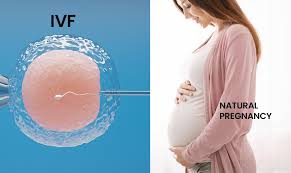
Ivf Pregnancy Symptoms Differences
You’ve likely spent a lot of time and energy on your IVF journey. So, seeing those positive results is amazing. But then, the questions start.
What should I be feeling? Are my symptoms the same as someone else’s? This article will help clear things up.
We’ll look at what IVF pregnancy symptoms might feel like. We’ll compare them to natural pregnancy signs. Our goal is to give you clear, simple answers.
You’ll learn what’s typical. You’ll also learn when to talk to your doctor.
IVF pregnancy symptoms are often very similar to those of a natural pregnancy. However, some early signs might be influenced by the medications used in IVF treatment. These can sometimes make it harder to tell if symptoms are due to pregnancy or the medication itself. Paying attention to the progression of symptoms and discussing any concerns with your fertility specialist is key.
Understanding Early Pregnancy Signs
When you become pregnant, your body starts to change. These changes happen to support a growing baby. Many early pregnancy signs are driven by hormone shifts.
These hormones, like progesterone and estrogen, rise after conception. They prepare your body for carrying a baby.
Some of the most common early signs are familiar to many. You might feel tired. Your breasts can feel tender or swollen.
Nausea, often called morning sickness, can start. You might also notice you need to pee more often. Some people get headaches.
Others feel mood swings. These signs can appear soon after your missed period.
The timing of these symptoms can vary. Some people feel them just a week or two after conception. Others might not notice much for several weeks.
It depends on how sensitive your body is to hormone changes. It also depends on the level of hormones your body produces.
IVF Specifics: Medications and Their Effects
The IVF process involves specific medications. These are given to help stimulate egg production and support the early stages of pregnancy. This is where some confusion can arise.
The medications themselves can cause symptoms that mimic pregnancy. This is a big part of why distinguishing IVF symptoms can feel tricky.
One of the main medications used is progesterone. It’s often given via injection, vaginal suppository, or oral pill. Progesterone is essential for maintaining a pregnancy.
It helps thicken the uterine lining. It also helps keep the uterus from contracting. However, progesterone can also cause side effects.
These include breast tenderness, bloating, and fatigue. You might also feel a bit moody. These are all common early pregnancy signs too.
Other medications might be used. These can include estrogen. Estrogen can also contribute to breast tenderness and nausea.
The high levels of these hormones, both from the medications and from the pregnancy itself, can make it hard to pinpoint the source of your symptoms. It’s like a double dose of hormones, making everything feel more intense.
Comparing Symptoms: Natural vs. IVF Pregnancy
Let’s break down how symptoms might look. In a natural pregnancy, symptoms usually begin after a missed period. You’d notice your body reacting to the rising pregnancy hormones.
With IVF, you’ve just undergone a medical procedure. You’ve likely taken injectable hormones and used vaginal suppositories. Your body is already processing these.
Then, if you get pregnant, the pregnancy hormones join the mix. This can make early symptoms feel like a blend of IVF medication side effects and pregnancy itself.
For example, breast tenderness is common in both. If you’re taking progesterone, your breasts might already feel tender. Then, pregnancy hormones kick in, and the tenderness might increase.
It’s hard to say, “This is just the progesterone” or “This is just the pregnancy.”
Nausea is another one. It’s a classic pregnancy symptom. But some IVF medications can also cause stomach upset.
So, you might feel queasy for reasons related to the treatment, not just the pregnancy. The key is to observe the progression and intensity of symptoms over time.
Personal Experience: The Waiting Game
I remember my first IVF cycle so clearly. After the embryo transfer, the waiting began. It felt like an eternity.
I was trying so hard to “feel” pregnant. I’d wake up feeling a dull ache in my lower belly. Was this implantation?
Or was it just the progesterone suppositories causing cramps? My breasts were so sore. Was it the hormone injections, or was it real?
I remember googling every little twinge. I compared my symptoms to every forum post I could find. It was exhausting.
One day I’d feel nauseous, and I’d get excited. The next day, I’d feel fine, and doubt would creep in. It felt like my body was sending mixed signals.
The clinic had told me to keep taking my medications. They said to wait for the official pregnancy test. But my mind was racing.
I wanted to know for sure. This period of uncertainty is tough. It’s a mix of hope and anxiety.
You’re looking for any sign, but the signs are confusing. That period really taught me the power of patience. It also showed me how much your mind can play tricks on you when you want something so badly.
Key Differences to Watch For
Symptom Onset: In natural pregnancy, symptoms might start gradually. With IVF, some symptoms can appear sooner due to medication use. This can cause initial confusion.
Symptom Intensity: Hormone medications in IVF can sometimes amplify common pregnancy symptoms. This might make them feel more severe than in a natural conception.
Specific Side Effects: Medications like progesterone can cause bloating, cramping, and fatigue that feel very similar to early pregnancy signs.
Test Timing: The official blood pregnancy test is crucial for IVF. It’s the most reliable way to confirm pregnancy, rather than relying solely on symptom interpretation.
When Symptoms Might Be Different
While many symptoms overlap, there are times when IVF-related symptoms might seem distinct. The sheer volume of hormones you’re taking can influence things. This can lead to more pronounced or persistent side effects.
For instance, some women report more intense bloating or water retention during IVF cycles. This could be due to the combination of medications and the body’s reaction to potential pregnancy. You might also feel more fatigued than you’d expect for just a few weeks pregnant.
Headaches can also be more frequent. This might be linked to hormone fluctuations or even stress. It’s important to remember that every person’s body responds differently to medications and pregnancy.
What one person experiences might be different for another.
The injection sites themselves can sometimes cause localized soreness or bruising. While this is directly related to the treatment, it’s a physical sensation that’s part of the IVF experience. It’s important to separate these direct treatment effects from potential pregnancy symptoms.
The Role of the Pregnancy Test
This is perhaps the most critical point for anyone undergoing IVF. While symptoms are important to note, they are not definitive proof of pregnancy. The blood pregnancy test, often called a beta-hCG test, is the gold standard.
This test measures the level of human chorionic gonadotropin (hCG) in your blood. hCG is a hormone produced by the placenta shortly after implantation. Your fertility clinic will schedule this test a specific number of days after your embryo transfer.
This timing is important for accurate results.
Why is this test so important? Because it provides an objective measurement. Symptoms can be subjective and misleading.
A positive pregnancy test, especially when accompanied by a rising hCG level, is the clearest sign that conception has occurred.
Home urine pregnancy tests can also be used. However, they may not be as sensitive as blood tests. Also, due to the medications used in IVF, a false positive is theoretically possible, though rare.
Always follow your clinic’s guidance on when and how to test.
Quick Scan: Symptom Checklist
- Fatigue: Yes
- Breast Tenderness: Yes
- Nausea: Yes
- Frequent Urination: Yes
- Bloating: Yes (can be medication or pregnancy)
- Mood Swings: Yes
- Cramping: Yes (implantation or medication)
- Spotting: Yes (implantation or luteal phase support)
Remember: Many of these can be caused by IVF medications.
Understanding Implantation Bleeding
Implantation bleeding is a common sign of early pregnancy in natural conception. It happens when a fertilized egg attaches to the uterine lining. This can cause light spotting.
It’s usually pink or brown. It’s much lighter than a period.
In IVF, implantation bleeding can also occur. However, it can be harder to distinguish from other types of spotting. Women undergoing IVF are often on progesterone support.
This medication can sometimes cause spotting or light bleeding. This is because it can affect the uterine lining.
So, if you notice light spotting after an IVF cycle, don’t jump to conclusions. It could be implantation. But it could also be a side effect of your medication.
The color, amount, and duration of the bleeding are key. Light, pinkish or brownish spotting that stops after a day or two is more likely implantation. Heavy or prolonged bleeding should always be discussed with your doctor.
Common Misinterpretations
One of the biggest challenges with IVF symptoms is misinterpretation. It’s easy to see a symptom and assign it to pregnancy, only to be disappointed later. Or, to dismiss a true pregnancy symptom as a medication side effect.
A common misinterpretation is mistaking period-like cramps for a sign of impending menstruation. While it’s true that some cramps can signal a period, mild cramping can also be a sign of implantation or uterine stretching due to pregnancy. The key is to consider the context and other symptoms.
Another is seeing fatigue as just being tired from the IVF process. The emotional and physical toll of IVF can be immense. But a sudden, overwhelming wave of tiredness can also be a very early sign of pregnancy.
It’s about paying attention to changes in your baseline fatigue.
The critical thing is to avoid self-diagnosis. Symptoms can be confusing. Your doctor or fertility specialist is the best source of information.
They understand your specific treatment protocol and can guide you.
Myth vs. Reality: Symptom Confusion
Myth: All early symptoms after IVF are due to medication.
Reality: While medications can cause similar symptoms, true pregnancy symptoms can also appear. Observing the progression is key.
Myth: Light spotting always means your period is coming.
Reality: Light spotting can be implantation bleeding, a sign of pregnancy. It can also be a side effect of progesterone medication.
Myth: If you don’t have symptoms, you’re not pregnant.
Reality: Many women have very few or no early symptoms, regardless of how they conceive. The absence of symptoms does not mean pregnancy has not occurred.
What Your Doctor Will Look For
When you speak with your fertility specialist or doctor about your symptoms, they will consider several factors. They won’t just look at one symptom in isolation. They will take a holistic view.
First, they’ll review your IVF protocol. They’ll know exactly which medications you’ve been taking and at what doses. This helps them understand potential side effects.
Next, they’ll ask about the timing and progression of your symptoms. Did they start after your transfer? Have they changed?
Are they getting stronger or weaker?
Crucially, they will rely on the results of your blood pregnancy test. A positive hCG level is the most significant indicator. They will also monitor your hCG levels over time.
A healthy pregnancy usually shows a doubling of hCG levels every 48–72 hours in the early stages.
They might also schedule an early ultrasound. This is usually done a few weeks after a positive pregnancy test. It allows them to visualize the gestational sac and confirm the location of the pregnancy.
It also helps estimate the due date and check for fetal heartbeat.
When to Seek Medical Advice
It’s always a good idea to discuss any concerns with your fertility clinic. However, there are specific situations where you should seek immediate medical advice.
Severe or Persistent Pain: While mild cramping can be normal, severe, sharp, or one-sided pelvic pain is not. This could indicate an ectopic pregnancy or another serious issue.
Heavy Bleeding: If you experience bleeding that is heavier than a period, or if it contains large clots, contact your doctor right away. This could be a sign of miscarriage or other complications.
High Fever: A fever, especially if accompanied by other symptoms like pain or unusual discharge, can indicate an infection. This needs prompt medical attention.
Unusual Discharge: Any discharge that has a strong odor, is colored unusually, or causes itching or burning should be reported to your doctor.
Worsening Nausea or Vomiting: While morning sickness is common, severe vomiting that prevents you from keeping down fluids can lead to dehydration and is a condition called hyperemesis gravidarum, which requires medical treatment.
Your medical team is there to support you. Don’t hesitate to reach out if something feels wrong. It’s better to be safe and get checked out.
Early IVF Symptom Tracker
Use this as a guide, not a diagnostic tool.
| Symptom | Possible Cause (IVF Context) | Potential Pregnancy Sign |
|---|---|---|
| Breast Tenderness | Progesterone/Estrogen meds | Yes (often more intense) |
| Fatigue | Medication side effect, stress | Yes (can be overwhelming) |
| Nausea | Medication side effect | Yes |
| Bloating | Medication, hormonal shift | Yes |
| Light Spotting | Progesterone medication, implantation | Yes (implantation bleeding) |
Focusing on Well-being During the Wait
The period between your embryo transfer and your pregnancy test is often called the “two-week wait.” It can be incredibly stressful. During this time, it’s important to focus on your overall well-being.
Try to maintain a balanced diet. Stay hydrated by drinking plenty of water. Gentle exercise, like walking, can be beneficial.
However, avoid strenuous activity. Listen to your body.
Find healthy ways to manage stress. This might include meditation, gentle yoga, or spending time with loved ones. Connecting with others who have gone through IVF can also be very helpful.
Support groups can provide a sense of community and understanding.
Avoid excessive symptom tracking or comparing your experience to others online. This can often lead to more anxiety. Trust your medical team and focus on what you can control: your self-care and emotional health.
What the Future Holds: Post-Positive Test
If your pregnancy test is positive, congratulations! This is a huge moment. Even then, the journey continues.
Your doctor will guide you through the next steps.
They will schedule follow-up appointments. These will monitor your hCG levels and check on your pregnancy. Early ultrasounds will confirm the viability of the pregnancy and its location.
You may continue some medications for a while longer.
It’s normal to still feel anxious, even after a positive test. The risks associated with IVF can sometimes make parents feel more cautious. Open communication with your doctor is key.
They can address any lingering concerns and provide reassurance.
As your pregnancy progresses, your symptoms may evolve. They will likely start to feel more distinctly like typical pregnancy symptoms as the hCG levels rise and the medications are adjusted or stopped. The focus shifts from early signs to the ongoing health and development of your baby.
Conclusion: Navigating IVF Symptoms with Confidence
Understanding IVF pregnancy symptoms versus natural conception signs is about knowing the context. The medications play a role. They can mimic or amplify early pregnancy feelings.
Your body is processing a lot.
The most reliable way to confirm pregnancy is through your doctor’s tests. Symptoms are clues, not definitive answers. Pay attention to them, but don’t let them rule your emotional state.
Trust your medical team. Focus on self-care during the waiting periods. Every journey is unique.
Your experience, with all its nuances, is valid. You’ve got this.
Frequently Asked Questions
Are IVF pregnancy symptoms different from natural pregnancy symptoms?
Often, the early symptoms are very similar. However, medications used in IVF, like progesterone, can cause side effects that mimic pregnancy symptoms. This can sometimes make it hard to tell the difference early on.
The progression and intensity of symptoms, along with official tests, are key indicators.
Can progesterone medication cause a positive pregnancy test?
Progesterone medication itself does not contain hCG, the hormone detected by pregnancy tests. Therefore, it should not cause a false positive pregnancy test. However, if you are taking hCG injections (like Ovidrel or Novarel) to trigger ovulation, this hormone can remain in your system for about 10-14 days and cause a false positive urine or blood pregnancy test.
When should I expect to feel pregnancy symptoms after IVF?
Pregnancy symptoms, whether from natural conception or IVF, usually start around the time of your missed period, which is typically two weeks after ovulation or egg retrieval. In IVF, symptoms may sometimes feel like they start earlier due to the effects of fertility medications.
Is spotting after IVF always a bad sign?
No, spotting after IVF is not always a bad sign. Light spotting or pinkish/brownish discharge can be implantation bleeding, which is a sign of pregnancy. However, spotting can also be a side effect of progesterone medication.
Any concerns about spotting should be discussed with your fertility clinic.
How do I know if my symptoms are from the IVF medication or pregnancy?
It can be very difficult to distinguish. Many common IVF medications, especially progesterone, cause symptoms like bloating, breast tenderness, fatigue, and mood swings. These overlap significantly with early pregnancy symptoms.
The best approach is to note your symptoms but rely on the official pregnancy test results from your clinic for confirmation.
Should I stop my IVF medications if I feel pregnancy symptoms?
Absolutely not. You should continue taking all prescribed medications exactly as directed by your fertility clinic until they tell you to stop. These medications are crucial for supporting early pregnancy, even if you are experiencing symptoms.
Stopping them prematurely could jeopardize a potential pregnancy.
What is the most reliable sign of IVF pregnancy?
The most reliable sign of IVF pregnancy is a positive blood pregnancy test (beta-hCG) performed by your fertility clinic. While symptoms are important to note, they can be misleading due to medication side effects. The hCG blood test provides a definitive measurement of pregnancy hormones.

Related Posts

Paid Pregnancy Community Membership

Email Segmentation Pregnancy Newsletter