Paid pregnancy community memberships can offer structured support, expert advice, and a curated network of expecting parents. They often provide exclusive resources and a safe space for questions. However, weigh the cost against free online groups and the specific benefits offered to ensure it aligns with your pregnancy journey and budget.
What Are Paid Pregnancy Communities?
Paid pregnancy communities are online spaces. They charge a fee for access. Think of them like a club for people expecting a baby.
Members pay monthly or yearly. In return, they get special perks. These can include expert advice.
They might also get access to private forums. These groups aim to provide support. They offer a sense of belonging.
They are often focused on specific stages of pregnancy. Or they might cover broader topics.
The goal is to create a safe, nurturing environment. Here, expectant parents can share their experiences. They can ask questions without judgment.
Many communities are run by professionals. They might have doulas, midwives, or doctors involved. This adds a layer of expertise.
It makes the advice feel more reliable. These groups are not just about chatting. They often provide curated content.
This can include articles, webinars, and Q&A sessions. The idea is to offer more than just casual conversation.
Why People Seek Paid Pregnancy Communities
Pregnancy is a time of big changes. It brings both excitement and worry. Many people want to share this with others.
They look for people who truly understand. Free online groups exist, of course. But paid communities often promise more.
They offer a more curated experience. There’s a sense of commitment from both sides. You pay, and they provide specific value.
One big draw is the feeling of exclusivity. You’re in a group with others who are serious about their pregnancy journey. This can lead to deeper connections.
It feels more intimate than a huge, open forum. Many people also seek reliable information. The internet is full of advice.
Some of it is good. Some is not. Paid groups often filter this.
They bring in experts. They give you facts you can trust. This saves time and reduces anxiety.
Another key reason is the structured support. Pregnancy can be lonely at times. Even with a supportive partner, some feelings are unique.
Connecting with other pregnant people is powerful. Paid groups often organize events. They might have virtual meetups.
They could offer challenges or group discussions. This keeps people engaged. It helps build lasting friendships.
These bonds can extend beyond pregnancy. They can be a support system for years.
The Potential Benefits of Paid Membership
Let’s talk about what you actually get. Paid memberships come with a package of benefits. These are designed to enhance your pregnancy experience.
The main thing is often access to experts. Many communities have midwives, lactation consultants, or birth educators. They might offer live Q&A sessions.
Or you can ask them questions directly. This is like having a team of advisors at your fingertips.
You also get curated content. Instead of sifting through endless articles, you get the best. This might include guides on nutrition, exercise, and birth plans.
There are often workshops. These can cover topics like preparing for labor or newborn care. Think of it as a personalized learning path for your pregnancy.
This saves you so much time and energy.
Another benefit is the community itself. These groups foster strong bonds. You’re sharing this unique time with others.
You’ll find people going through similar things. This includes early pregnancy symptoms, anxieties about labor, and excitement about baby names. The private nature of paid groups means more trust.
People feel safer sharing personal details. This leads to richer conversations. You can get practical advice.
You can also get emotional support. It’s a place where you feel truly seen.
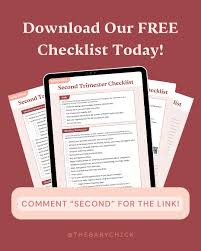
Some communities also offer exclusive resources. This could be printable checklists. It might be discount codes for baby products.
Or perhaps access to special birth courses. These extras add real value. They make the membership feel more complete.
The structure of these groups can also be helpful. They often have clear guidelines. This keeps discussions respectful.
It ensures a positive atmosphere.
Understanding the Costs and What to Look For
The cost of paid pregnancy communities varies a lot. Some are quite affordable. Others are more of an investment.
You might see prices from $10 a month to $100 or more. It really depends on what’s included. Before you sign up, check the details.
What is the exact monthly or yearly fee? Are there any hidden charges?
When looking at a community, consider what they offer. Does it match what you need? If you’re looking for expert medical advice, ensure they have qualified professionals.
If you want a social connection, see how active the community is. Look at the types of discussions happening. Are they engaging?
Do people seem supportive?
A good community will be transparent. They should clearly state their fees and what you get. Look for testimonials from other members.
Do they seem happy? Are they getting value? Consider the community’s focus.
Is it general pregnancy support? Or is it specific, like for first-time moms or single parents?
It’s also important to think about the platform. Is it easy to use? Is it a private Facebook group, a dedicated app, or a website forum?
Make sure you’re comfortable with how you’ll access it. Some groups offer free trials. This is a great way to test the waters.
You can see if the community is a good fit before committing financially. Always compare different options. Don’t jump into the first one you see.
My Own Experience: A Time of Doubt
I remember being about six months pregnant. I was feeling overwhelmed. I had so many questions about birth.
My doctor answered some. But I felt like I needed more. I wanted to talk to other women.
Women who were in the thick of it with me. I stumbled upon an ad for a paid pregnancy group. It promised expert chats and a supportive network.
My heart leaped. This sounded perfect. I pictured myself sharing tips and fears with new friends.
I signed up for a year-long membership. The monthly fee felt like a stretch. But I told myself it was an investment in my peace of mind.
The first week was exciting. I introduced myself. I browsed the forums.
But then things started to feel… off. The “expert chats” were often just pre-recorded videos. The forums were quiet.
People posted questions, but answers were slow to come. Sometimes the same questions got asked over and over.
I felt a pang of disappointment. I was paying good money for this. I missed the genuine connection I’d hoped for.
I noticed that a few members were very active. They seemed to be the only ones really talking. Everyone else was just lurking.
It felt less like a community and more like a library with few visitors. I started to regret the money spent. I wondered if I should have just stuck with free online forums.
This experience taught me a valuable lesson. Not all paid communities deliver on their promises. It’s crucial to do your homework.
Quick Scan: What to Check Before Joining
- Expertise: Do they have qualified professionals?
- Activity: Is the community lively and engaging?
- Cost: Is the fee reasonable for what’s offered?
- Focus: Does it match your specific needs?
- Platform: Is it easy to access and use?
- Reviews: What do current members say?
Free vs. Paid Communities: Making the Choice
This is a big decision point for many. Free online pregnancy groups are everywhere. You can find them on Facebook, Reddit, and other platforms.
They offer a place to connect. You can share experiences. You can ask quick questions.
The biggest plus is obviously the cost: zero dollars. You don’t need to budget for it.
However, free groups can be hit or miss. They can be very large. This means it’s hard to get personal attention.
Information can be inconsistent. You might get conflicting advice. There’s also less moderation.
This means you might see off-topic posts or even unhelpful comments. Experts are rarely involved. It’s mostly peer-to-peer advice.
This can be great, but it’s not always reliable.
Paid communities offer more structure. They often have better moderation. Experts are more likely to be present.
The content is usually more curated and reliable. You often get a sense of a tighter-knit group. This can lead to deeper friendships.
The downside is the cost. You have to decide if the benefits are worth the money.
Think about your personality. Are you someone who thrives in a structured environment? Do you value expert opinions highly?
If so, a paid community might be a good fit. If you’re more laid-back and happy to sift through information yourself, a free group might be enough. There’s no single right answer.
It depends entirely on what you need and what you can afford.
Contrast: Free vs. Paid Pregnancy Groups
Pros: No cost, large reach, easy access.
Cons: Inconsistent advice, overwhelming size, less expert input, potential for low moderation.
Pros: Expert access, curated content, structured support, often better moderation, tighter community.
Cons: Cost involved, can be less active than free groups, value depends on the specific offering.
Real-Life Scenarios and Considerations
Let’s look at different situations. Imagine you’re a first-time parent. You’re anxious about everything.
You might find a paid community very reassuring. They can offer step-by-step guides. They can connect you with others who are just as nervous.
This shared experience is invaluable. It makes you feel less alone.
Now, consider someone who has had children before. They might already have a solid support system. They might be looking for specific tips.
Perhaps on preparing older siblings for a new baby. In this case, a paid community needs to offer something truly unique. They need to provide niche content.
Or access to specialized experts.
Think about your budget. Pregnancy and babies bring many expenses. Is a paid community a priority for you right now?
Can you afford it without adding financial stress? If you can, great. If not, there are still many wonderful free resources.
It’s about finding what works for your life.
Also, consider your personality. Do you thrive in large, social settings? Or do you prefer smaller, more intimate groups?
Some paid communities are huge. Others are quite small. Knowing your preference can help you choose the right one.
The environment of the community matters. It should feel welcoming and safe for you.
Scenario Spotlight: The Anxious First-Timer
Situation: Sarah is 28 weeks pregnant. It’s her first baby. She’s feeling overwhelmed by all the advice.
She worries constantly about making mistakes. She wants to connect with other expecting moms.
Potential Fit: A paid community with live Q&A sessions with midwives. It could also offer guided meditations and forums where members share their anxieties. This structured support and expert access could ease her mind significantly.
What This Means for Your Pregnancy Journey
Deciding on a paid pregnancy community is personal. It’s not a must-have for a healthy pregnancy. Many people have wonderful pregnancies without them.
But for some, they offer a significant boost. They can provide peace of mind. They can offer reliable information.
They can build lasting friendships.
If you are considering a paid membership, think about your primary needs. Are you seeking information? Social connection?
Expert guidance? Make sure the community you choose excels in your area of need. Don’t be swayed by fancy marketing.
Look at the actual content and community engagement.
It’s also okay to start small. Try a monthly membership first. See how you like it.
If it’s not working after a month or two, you can cancel. You haven’t lost a huge amount of money. This way, you can explore without a big commitment.
Your pregnancy journey is unique. The support you need should be too.
Quick Checks: Is It Worth It For You?
Ask yourself:
- What is my biggest need right now?
- Can I afford this without going without essentials?
- Does this community offer specific resources I can’t find elsewhere?
- Have I tried a free trial or read recent reviews?
Tips for Making the Most of a Paid Community
So, you’ve decided to join a paid pregnancy community. That’s great! To get the most out of it, be an active participant.
Don’t just lurk. Introduce yourself when you join. Share your thoughts and experiences.
Ask questions. Even if you think they are small.
Engage with other members. Respond to their posts. Offer support and encouragement.
This builds connections. It makes the community stronger for everyone. Use the expert resources.
Attend live sessions. Watch the webinars. Read the guides.
Take notes.
Set realistic expectations. No community is perfect. There will be times when it’s slow.
There will be times when you don’t get an answer right away. That’s normal. Focus on the positive aspects.
Celebrate the connections you make. Celebrate the knowledge you gain.
If you are struggling, reach out to the community managers. They are there to help. They want members to be happy.
Let them know if something isn’t working for you. They might be able to offer solutions. Or they might provide clarification.
Remember why you joined. Keep your goals in mind. Are you looking for information?
Support? Friendship? Focus on activities that help you meet those goals.
Don’t get sidetracked by drama or negativity. Keep it positive and productive.
Frequently Asked Questions About Paid Pregnancy Communities
Are paid pregnancy communities better than free ones?
Not necessarily “better,” but often more structured. Paid groups typically offer expert access, curated content, and dedicated moderation. Free groups can be larger and less focused, with advice varying in quality.
Your personal needs and budget will determine which is a better fit for you.
How much do paid pregnancy communities usually cost?
Costs vary widely. Some simple community memberships might be around $10-$20 per month. More comprehensive programs with significant expert access or courses could range from $50 to over $100 per month, or as a one-time fee for a set period.
What kind of experts are usually found in paid groups?
Common experts include midwives, doulas, lactation consultants, childbirth educators, perinatal mental health professionals, and registered dietitians specializing in pregnancy. The specific experts depend on the community’s focus.
Can I get medical advice from these communities?
While experts are often present, most paid communities advise that their content is for informational purposes only. They are not a substitute for professional medical advice from your doctor or healthcare provider. Always consult your doctor with any health concerns.
How can I tell if a paid community is legitimate?
Look for transparency regarding fees, services, and the credentials of their experts. Check for member testimonials and reviews. A legitimate community will have clear terms of service and a privacy policy.
Free trials are also a good sign.
What if I join and don’t like it?
Most communities have cancellation policies. If you join a monthly plan, you can typically cancel before the next billing cycle. Check the terms and conditions for specific refund or cancellation information.
Many offer free trials, which is a great way to test the waters first.
Final Thoughts on Community Support
Choosing to join a paid pregnancy community is a personal decision. It’s about finding the right support for your unique journey. Weigh the costs and benefits carefully.
Consider what truly matters most to you during this time. Whether you choose a paid group, a free one, or no online community at all, remember your intuition is your best guide. Trust yourself.