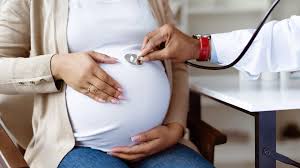
Category: Pregnancy & Mom

  • Vbac Pregnancy Symptoms Guide

    Vbac Pregnancy Symptoms Guide

    It’s completely understandable to feel a mix of hope and nervousness when you’re considering a VBAC. You’ve been through a birth before, but this time feels different, and you’re looking for clues. You want to know what signs your body might be sending you.

    This guide is here to help you understand what to expect. We’ll walk through the common symptoms and what they mean for your VBAC journey.

    VBAC pregnancy symptoms are largely similar to any other pregnancy, but awareness of your body’s signals and understanding what’s normal versus concerning is key. Tracking uterine activity, cervical changes, and your baby’s movements can provide valuable insights as your body prepares for a potential vaginal birth after cesarean.

    Understanding VBAC Pregnancy Signs

    Thinking about a VBAC is a big step. Many people who have had a C-section want to try for a vaginal birth the next time. This is often called a VBAC, which means Vaginal Birth After Cesarean.

    It’s totally normal to wonder what your body will do. You might be looking for signs that everything is on track for this different kind of birth.

    The truth is, many VBAC pregnancy symptoms look a lot like symptoms in any pregnancy. Your body is still growing a baby! But there are some things to pay closer attention to.

    Knowing these can help you feel more in control and confident.

    We’ll cover what to watch for. We’ll talk about how your body feels as it gets ready. We’ll also look at when you might want to talk to your doctor or midwife.

    This is about understanding your body’s unique signals.

    Common Pregnancy Symptoms to Track

    Morning Sickness: This can start early. It’s that feeling of nausea, sometimes with vomiting. It often happens in the first few months.

    For many, it fades later in pregnancy. It shows your body is producing pregnancy hormones.

    Fatigue: Feeling tired is a big one. Your body is working hard to grow a baby. Rest when you can.

    This is a normal sign that your body is busy.

    Breast Changes: Your breasts might feel sore or tender. They may also get larger. Veins might become more noticeable.

    This is your body preparing for breastfeeding.

    Frequent Urination: You might find yourself needing to pee more often. This is because your growing uterus puts pressure on your bladder. It’s a sign your baby is growing well.

    Your Personal VBAC Journey: My Own Experience

    I remember sitting in my doctor’s office, about halfway through my second pregnancy. My first birth had ended in a C-section, and this time, I was determined to try for a VBAC. My doctor was supportive, but there was a quiet hum of worry in the back of my mind.

    What if my body didn’t cooperate? What if I went through all the effort and still ended up with another surgery?

    One afternoon, I was folding laundry, and I felt a strange tightening in my belly. It wasn’t painful, just a noticeable clenching. My mind immediately jumped.

    Was this it? Was this a sign things were starting? I’d read about Braxton Hicks contractions, but with my history, every little twinge felt significant.

    I put down the clothes and just focused on the feeling. It came and went. It wasn’t regular.

    It wasn’t getting stronger.

    I took a deep breath and reminded myself that not every sensation means labor is imminent. This was a moment of learning to distinguish between normal pregnancy sensations and signs of active labor. It was a subtle reminder that my body was changing and preparing, but in its own time.

    That feeling of uncertainty, that constant mental cataloging of every sensation, was something I experienced throughout that entire pregnancy. It’s a common thread for many planning a VBAC, this heightened awareness and the drive to understand every signal your body sends.

    Uterine Activity and Contractions

    As your pregnancy progresses, especially in the third trimester, you’ll start to notice your uterus doing more than just housing the baby. It’s a muscle, and it practices. This is where understanding contractions becomes really important for a VBAC.

    You want to know what kind of contractions are normal and what might signal something to discuss with your care provider.

    Braxton Hicks contractions are often called “practice contractions” or “false labor.” They are real, but they are not the kind that will lead to birth. They can happen anytime during the second half of pregnancy. They might feel like your belly is tightening up for a short period.

    They often go away if you change your position, drink water, or rest.

    What to look for with Braxton Hicks:

    • They are usually not painful.
    • They are irregular in timing.
    • They do not get closer together.
    • They do not get stronger.
    • They often stop on their own.

    For someone planning a VBAC, it’s crucial to distinguish these from true labor contractions. True labor contractions, on the other hand, are purposeful. They get stronger, longer, and closer together over time.

    They will make you stop what you’re doing. They help to open your cervix.

    What to look for with true labor contractions:

    • They become regular.
    • They get stronger and more intense.
    • They last longer.
    • They get closer together.
    • They are often felt in the lower back and abdomen.
    • They do not stop when you change position or rest.

    Your provider will likely talk to you about monitoring your contractions. This might be by timing them yourself or using a contraction monitor if you are in the hospital. Knowing the difference is vital.

    It helps you understand if your body is making progress toward a vaginal birth.

    Contracting Patterns: A Quick Look

    Pattern: Irregular, unpredictable

    Intensity: Mild, no increasing pain

    Duration: Short, inconsistent

    Frequency: Long intervals, random

    Effect: Usually stops with rest or hydration

    Likely: Braxton Hicks

    Pattern: Regular, predictable

    Intensity: Strong, increasing pain

    Duration: Longer, more sustained

    Frequency: Closer together, consistent

    Effect: Continues despite rest or hydration

    Likely: True Labor

    Cervical Changes and Dilation

    The cervix is the lower, narrow part of your uterus. It connects to your vagina. During pregnancy, it stays long and closed.

    This keeps the baby in. As labor approaches, it starts to change. This is called effacement (thinning) and dilation (opening).

    For a VBAC, understanding cervical changes is important. Your doctor or midwife will check your cervix. They do this with a pelvic exam.

    They can feel how soft, thin, and open it is. This is a key indicator of labor progress.

    What they check for:

    • Position: Is it pointing towards the back or front?
    • Effacement: How thin is it? This is measured in percentages (e.g., 50% effaced).
    • Dilation: How open is it? This is measured in centimeters (e.g., 4 cm dilated).
    • Station: How far down the birth canal is the baby? This is measured in negatives (higher up) and positives (lower down), with 0 being at the level of the pelvic bones.

    You might not feel your cervix changing on your own. But you might notice changes in vaginal discharge. It can become thicker.

    It might have a little blood or mucus in it. This is often called “bloody show.” It means your cervix is starting to soften and open. It’s a sign that your body is preparing for labor.

    It’s important to remember that everyone progresses differently. Some people’s cervixes stay the same for a while. Then, they change quickly.

    Others change slowly over days or weeks. For a VBAC, your provider will look at the whole picture. This includes your cervical status, your contractions, and your baby’s well-being.

    Baby’s Movements and Position

    Your baby’s movements are a vital sign of their health. Throughout pregnancy, you’ll get to know your baby’s unique pattern of kicks, rolls, and wiggles. As you approach your due date, especially when aiming for a VBAC, paying attention to these movements is crucial.

    As the baby grows, the space inside your uterus gets tighter. This can change the way they move. You might feel fewer big kicks.

    Instead, you might feel more rolls and stretches. This is usually normal. The important thing is that the pattern of movement you’ve come to expect continues.

    What to watch for:

    • Consistency: Do the movements feel similar to what you’re used to?
    • Frequency: Is the baby still moving regularly throughout the day?
    • Sensation: Even if the movements change from big kicks to smaller flutters, the sensation of movement should still be there.

    If you notice a significant decrease in your baby’s movements, it’s important to contact your healthcare provider immediately. They can check the baby’s well-being. This is a standard recommendation for all pregnancies, but for a VBAC, it’s another layer of assurance that your baby is doing well and ready.

    The baby’s position also matters. For a vaginal birth, the ideal position is head-down, also known as cephalic presentation. This means the baby’s head is pointing towards your cervix.

    Your provider will check the baby’s position during your prenatal visits, often by feeling your abdomen.

    Baby’s Position Check

    Head Down (Cephalic): This is ideal for vaginal birth. The baby’s head is near the cervix.

    Bottom Down (Breech): The baby’s bottom is facing the cervix. This can make vaginal birth more challenging or not possible for a VBAC. Your provider will discuss options if this is the case.

    Sideways (Transverse): The baby is lying across the uterus. This also makes vaginal birth unlikely. Your provider will offer ways to encourage the baby to turn or discuss alternatives.

    Sometimes, a baby who is not head-down might turn on their own. Other times, providers may suggest certain exercises or positions to help the baby turn. Knowing your baby’s position is another piece of the puzzle for your VBAC planning.

    It’s one more way your body and baby communicate their readiness.

    Emotional and Mental Preparedness

    Pregnancy is a physical journey, but it’s also a huge mental and emotional one. For those planning a VBAC, this is especially true. You carry the experience of your previous birth.

    This can bring up a lot of feelings. You might feel determined, excited, anxious, or a mix of everything.

    One of the most common “symptoms” for VBAC candidates is a deep internal drive to achieve this goal. It’s more than just a preference; for many, it’s a feeling of reclaiming their birth experience. This inner resolve can be a powerful force.

    However, it’s also normal to have fears. Fears about scar tissue, about the uterus rupturing (though rare), or about having another C-section can surface. These feelings are valid.

    Talking about them is important. Sharing your fears with your partner, your doctor, your midwife, or a support group can make a big difference.

    Mental preparedness includes:

    • Education: Learning about VBAC, its risks, and its benefits helps demystify the process.
    • Support System: Having a supportive partner, family, or friends can boost your confidence.
    • Trust in Your Provider: A provider who is experienced with and supportive of VBACs is invaluable.
    • Flexibility: While aiming for a VBAC, it’s also important to be open to what your body and the baby need. Sometimes, medical reasons might lead to a different birth outcome.

    The emotional side of pregnancy for a VBAC is as important as the physical. Your peace of mind and confidence play a role. Trusting your body and having a strong support system are key “symptoms” of being mentally ready for your VBAC journey.

    Emotional Well-being Checklist

    Feeling: Hopeful and determined

    Action: Celebrate small victories, read positive VBAC stories.

    Feeling: Anxious or fearful

    Action: Talk to your provider, join a VBAC support group, practice relaxation techniques.

    Feeling: Uncertain about progress

    Action: Focus on what you can control, like nutrition and rest. Trust your provider’s assessments.

    Feeling: Ready to advocate for yourself

    Action: Prepare questions for your appointments, understand your birth plan.

    When to Contact Your Healthcare Provider

    While many pregnancy symptoms are normal, some require immediate attention. This is especially true when you’re planning a VBAC. Your provider is your most important resource.

    They can assess your situation accurately.

    Contact your provider if you experience:

    • Decreased Fetal Movement: If you notice a significant drop in how often or how strongly your baby is moving, call right away.
    • Vaginal Bleeding: Any bright red bleeding, or bleeding heavier than spotting, needs to be checked out.
    • Severe Abdominal Pain: Sharp, sudden, or constant pain that doesn’t go away with position changes should be reported.
    • Signs of Preterm Labor: Regular contractions before 37 weeks of pregnancy, pelvic pressure, or a change in vaginal discharge might indicate preterm labor.
    • Signs of Preeclampsia: This includes severe headaches, vision changes (blurriness, spots), sudden swelling (especially in face and hands), and upper abdominal pain.
    • Rupture of Membranes: If your “water breaks,” even if it’s just a trickle or a gush.

    For a VBAC specifically, you’ll want to be particularly aware of any concerning signs related to your previous C-section scar. While rare, signs of uterine rupture can include intense abdominal pain, changes in your baby’s heart rate, or bleeding. Your provider will have discussed what to watch for and when to seek immediate medical help.

    Don’t hesitate to call if you’re unsure. It’s always better to be safe. Your provider is there to support you and your baby’s health.

    They can give you the most accurate advice based on your individual pregnancy.

    Real-World Scenarios for VBAC Symptom Recognition

    Let’s think about a few everyday situations where recognizing these symptoms matters for a VBAC.

    Scenario 1: The Tightening Belly

    It’s Tuesday evening. You’re watching TV. You feel your belly tighten.

    It happens again a few minutes later. Then it stops for 15 minutes. You remember your childbirth class.

    You think, “This might be Braxton Hicks.” You drink some water and lie on your side. The tightening stops. This feels normal.

    You continue to monitor, but you’re not worried yet.

    Scenario 2: The Worrying Bleeding

    You wake up and notice some pinkish spotting in your underwear. You had some spotting earlier in your pregnancy that went away. This time, it seems a bit more.

    You also feel a dull ache low in your back. You decide to call your midwife. She asks you to come in to check things out.

    It’s better to get it looked at, even if it turns out to be nothing serious.

    Scenario 3: The Subtle Shift

    You’re 39 weeks pregnant. You’ve been having irregular contractions for days. But today, something feels different.

    The contractions are still not super strong, but they are coming closer together. You can time them now. They are about 10 minutes apart.

    You feel a strong urge to pee more often. You call your doctor’s office to let them know. They advise you to keep monitoring and let them know if they get closer.

    VBAC Prep: What to Confirm

    Provider Support: Does your doctor or midwife actively support VBACs and have a good track record?

    Hospital Policy: Does the hospital allow VBACs? Are there any specific restrictions?

    Labor Expectations: Understand what active labor looks like and when you should go to the hospital.

    Pain Management Options: Know your choices for pain relief during labor.

    Support Person: Who will be with you during labor? Ensure they are informed and supportive.

    These scenarios highlight how paying attention to your body and knowing when to reach out are critical. For a VBAC, this awareness builds confidence and ensures you are getting the best care.

    What This Means for Your VBAC Plan

    Understanding these symptoms isn’t about predicting the future. It’s about empowering you with knowledge. It helps you feel more connected to your body and your baby.

    For a VBAC, this connection is extra important.

    When symptoms are normal: Mild Braxton Hicks, increasing fatigue, frequent urination, and noticeable but consistent fetal movement are generally good signs. They indicate a healthy, progressing pregnancy. They show your body is doing what it needs to do to prepare.

    When to pay closer attention: Any sudden changes are worth noting. A significant drop in baby’s movement, new or heavier bleeding, or very strong, persistent pain warrants a call to your provider. For VBAC, any sensations that feel unusually sharp or intense, especially around the C-section scar, need prompt evaluation.

    Simple checks you can do:

    • Count kicks: Learn your baby’s normal pattern and report any changes.
    • Time contractions: If you think you are in labor, time them to see if they are regular and getting closer.
    • Note your feelings: Keep a log of any unusual sensations or changes.

    Having this information can help ease some of the anxiety that comes with planning a VBAC. You’re not just waiting; you’re actively observing and participating in your pregnancy journey. Your body is working towards a vaginal birth, and these symptoms are its way of communicating that progress.

    Tips for Monitoring Your Pregnancy

    Staying informed and actively monitoring your pregnancy can bring peace of mind when you’re aiming for a VBAC. It’s about working with your body, not just waiting for things to happen.

    Keep a Journal: A simple notebook or a pregnancy app can be a lifesaver. Jot down when you feel contractions, how strong they are, and how long they last. Note your baby’s movements.

    Record any unusual symptoms like bleeding or pain. This log is invaluable for discussing your progress with your provider.

    Trust Your Gut: You know your body best. If something feels off, even if you can’t quite explain it, mention it to your healthcare provider. They can reassure you or investigate further.

    Stay Hydrated and Rested: Dehydration can sometimes trigger Braxton Hicks. Getting enough rest is vital for your body to prepare for labor. These simple self-care steps can make a difference.

    Educate Yourself: Continue learning about VBAC. Read books, attend classes, and talk to others who have had successful VBACs. Knowledge is empowering.

    Practice Relaxation Techniques: Deep breathing, meditation, or prenatal yoga can help you stay calm and focused throughout your pregnancy and labor. This mental preparation is as important as the physical.

    Quick VBAC Symptom Tracker

    Symptom: Contractions

    When to Note: Start of 3rd Trimester

    What to Track: Timing, duration, intensity, what makes them stop.

    Symptom: Fetal Movement

    When to Note: Daily, ongoing

    What to Track: Normal pattern, any decreases.

    Symptom: Vaginal Discharge

    When to Note: Throughout Pregnancy

    What to Track: Changes in amount, color, presence of blood or mucus.

    Symptom: Discomfort/Pain

    When to Note: Anytime

    What to Track: Location, intensity, type of pain, if it’s related to the C-section scar.

    By actively participating in monitoring your pregnancy, you are taking proactive steps towards your VBAC goal. These tips can help you feel more in tune with your body’s signals.

    Frequently Asked Questions About VBAC Symptoms

    What is the most common symptom that labor is starting for a VBAC?

    The most common sign that labor is truly starting for a VBAC is the onset of regular, progressively stronger, and closer-together contractions. These contractions work to open the cervix and move the baby down. While other symptoms like a “bloody show” or your water breaking can occur, consistent, powerful contractions are the main indicator.

    How can I tell if my contractions are real labor or just Braxton Hicks when planning a VBAC?

    For a VBAC, distinguishing between Braxton Hicks and true labor contractions is crucial. True labor contractions will become regular (e.g., every 5 minutes), get stronger over time, last longer (e.g., 45-60 seconds), and continue even if you change position or drink water. Braxton Hicks are usually irregular, not painful, and often stop with rest or hydration.

    Is it normal to feel sharp pains near my C-section scar during pregnancy?

    Some mild aches or pulling sensations near a C-section scar can be normal as your body stretches. However, any sharp, sudden, or intense pain in that area should be reported to your healthcare provider immediately. This is because it could potentially be a sign of uterine rupture, although this is very rare.

    How does fetal movement change when I’m pregnant with a VBAC?

    Fetal movement patterns generally don’t differ significantly just because you are planning a VBAC. As pregnancy progresses, movements might change from big kicks to more rolls and wiggles due to less space. The key is consistency.

    If you notice a significant decrease in your baby’s usual movements, contact your provider, regardless of your birth plan.

    When should I call my doctor or midwife about spotting during a VBAC pregnancy?

    Spotting (light bleeding) can sometimes be normal, especially after a cervical check or intercourse. However, any bright red bleeding, bleeding that is heavier than spotting, or bleeding accompanied by cramping or pain should be reported to your healthcare provider. They will want to assess the situation to ensure everything is okay.

    What are the signs that my cervix is changing in preparation for VBAC labor?

    You might not feel your cervix changing directly, but signs include an increase in vaginal discharge, which might be thicker and tinged with pink or brown (known as “bloody show”). Your provider will also check your cervix during exams for softening, thinning (effacement), and opening (dilation) as labor approaches. These are key indicators of your body getting ready.

    Conclusion: Trusting Your Body’s Signals

    Planning a VBAC is a journey of hope and informed choices. Understanding the signs your body gives you is a powerful part of that journey. Many VBAC pregnancy symptoms are similar to any pregnancy.

    But paying attention to uterine activity, cervical changes, and your baby’s well-being is key. Trust your instincts, communicate with your healthcare provider, and remember that your body is capable.

  • Winter Pregnancy Symptoms Reader Stories

    Winter Pregnancy Symptoms Reader Stories

    Feeling a bit off this winter? When you’re expecting, your body goes through so many changes. Sometimes, these changes can feel a lot like what you might expect during the colder months.

    It can be confusing to tell what’s a normal winter chill and what’s a sign your little one is on the way. Let’s dive into what many people experience and how to make sense of it all.

    Winter pregnancy symptoms often overlap with typical early pregnancy signs, making it hard to pinpoint. Common experiences include increased fatigue, feeling colder or hotter than usual, nasal congestion, and dry skin. These are often exacerbated by the dry, cold air of winter and hormonal shifts.

    Understanding Winter Pregnancy Signs

    When you’re pregnant, your body is working overtime. This means you might notice changes that feel different than usual. Winter adds its own layer to this.

    The cold air can make your nose feel stuffy. Your skin might get dry and itchy. You might also feel more tired than ever.

    These are all normal things that can happen. But when they mix with pregnancy, it gets interesting.

    Hormones are a big part of pregnancy. They change your body in many ways. These changes can make you feel hot one minute and cold the next.

    They can also make you more sensitive to smells. This can be extra tricky in winter. Think about the smells of holiday baking.

    They might bother you more than usual. It’s all part of the journey.

    The lack of sunlight in winter can also play a role. Shorter days can make anyone feel a bit down or more tired. For pregnant people, this can add to the existing fatigue.

    It’s like your body is telling you to slow down. And in winter, that’s easier said than done sometimes.

    A Personal Winter Pregnancy Experience

    I remember the first time I suspected I was pregnant. It was late November. The holiday season was just starting.

    I felt incredibly tired. It wasn’t just regular tiredness. It was a deep, bone-weary exhaustion.

    I would come home from work and want to sleep for hours. I blamed the dark evenings and the cold. I thought it was just winter getting to me.

    Then came the strange chills. I would bundle up in sweaters and blankets. Yet, I still felt cold deep inside.

    My husband would ask if the thermostat was broken. I just shrugged. I figured my circulation was off because it was so cold outside.

    My hands and feet felt like ice cubes. It was a constant battle to warm them up.

    One morning, I woke up with a terrible headache. My nose was completely stuffed up. It felt like I had a bad cold.

    But I had no other cold symptoms. No fever, no sore throat. Just a stuffy, achy head.

    I popped a pain reliever and tried to push through my day. That’s when a little voice in the back of my head started to whisper. Maybe this wasn’t just winter.

    I remember looking in the mirror. My face looked a little puffy. My skin felt dry and tight.

    I even noticed a slight blue tinge to my lips from the cold. I was so focused on the winter aspect that I almost missed the signs. It was a funny mix of holiday cheer and personal confusion.

    The smell of pine trees from our Christmas tree actually made me feel a bit queasy. That was a clue I couldn’t ignore much longer.

    Winter Pregnancy Symptom Snapshot

    Feeling the Chill: Many pregnant people report feeling colder than usual. This can be due to hormonal changes and increased blood flow to your uterus, not necessarily the outdoor temperature. Your body is working hard to regulate its temperature.

    It might feel like you’re always trying to catch up.

    The Snooze Button Life: Extreme fatigue is a hallmark of early pregnancy. In winter, this can be amplified by shorter days and less natural light. Your body naturally craves more rest to support the growing life inside.

    Listen to this urge!

    Dryness Everywhere: Winter air is often very dry. This can lead to dry skin, chapped lips, and a stuffy nose. Pregnancy hormones can make your skin even more sensitive and prone to dryness.

    Keeping hydrated is key.

    Common Overlapping Symptoms

    It’s easy to get these symptoms mixed up. Many early pregnancy signs can feel like normal winter woes. Let’s break down what’s common for both.

    Fatigue: The Winter Staple and Pregnancy Powerhouse

    In winter, days are shorter. Sunlight is less. This can naturally make us feel tired.

    We want to curl up inside. Our bodies might crave more sleep. This is a common winter feeling for many people.

    Pregnancy takes this to a new level. Early on, your body is creating a placenta. This takes a lot of energy.

    So, extreme tiredness is very common in the first trimester. It can feel like a heavy blanket you can’t shake off. You might find yourself yawning constantly.

    Even after a full night’s sleep, you might still feel drained. It’s your body’s way of saying, “Rest up!”

    Feeling Cold vs. Feeling Hot

    Winter means cold outside. Most people expect to feel chilly. But some pregnant people feel the opposite.

    They feel overheated. This is due to increased blood flow. Your body is sending more blood to support the baby.

    This extra circulation can raise your body temperature. You might find yourself sweating indoors. You might need to wear lighter clothes.

    It’s like your internal thermostat is on the fritz. You might also feel more sensitive to heat. A warm room might feel stifling.

    This can be confusing when it’s freezing outside. You might think you’re just getting sick. But it’s often your body adjusting to pregnancy.

    Nasal Congestion: The Winter Sneak Attack

    Dry winter air is a recipe for a stuffy nose. The air inside your home is often dry too. This can irritate your nasal passages.

    It makes them swell up. This leads to that blocked feeling. Pregnancy can also cause nasal congestion.

    Hormones can make the lining of your nose swell. This is sometimes called “pregnancy rhinitis.” It can happen any time of year. But in winter, it feels like a double whammy.

    You might sneeze more. Your nose might feel constantly blocked. It can make breathing harder.

    It can also affect your sense of smell. Things might smell stronger. Or you might lose your sense of smell.

    This is a common, if annoying, pregnancy symptom.

    Symptom Comparison: Winter vs. Pregnancy

    Typical Winter:

    • General tiredness from shorter days.
    • Feeling cold due to external temperature.
    • Dry skin and lips from cold, dry air.
    • Occasional stuffy nose from dryness.

    Early Pregnancy:

    • Profound fatigue from hormonal changes.
    • Feeling overheated due to increased blood flow.
    • Dry skin and chapped lips due to hormonal shifts and blood flow.
    • Nasal congestion from hormonal swelling.

    The Role of Hormones and Body Changes

    Pregnancy hormones are like tiny conductors. They direct a whole orchestra of changes in your body. Progesterone is one of the main players.

    It helps keep your uterus relaxed. This is vital for a healthy pregnancy. But it also has other effects.

    It can slow down your digestion. This can lead to bloating and constipation. It also affects your mood.

    You might feel more emotional. Progesterone also plays a role in fatigue.

    Estrogen is another key hormone. It helps your body prepare for pregnancy. It increases blood flow.

    This can make your breasts feel sore and swollen. It also contributes to morning sickness. This is a common symptom.

    It can happen any time of day. Nausea can be triggered by smells. This is where winter can get tricky.

    The smells of baking spices or rich stews can be a lot.

    Your body temperature regulation also shifts. Your basal body temperature can rise. This is why you might feel warmer.

    It’s a normal part of the pregnancy process. This increased warmth can make you feel more sluggish. It can also make you feel like you’re overheating.

    This is especially noticeable indoors.

    The increased blood volume is another big change. Your body makes about 50% more blood when you’re pregnant. This extra blood nourishes the baby.

    It also helps your body cope with the demands of pregnancy. This extra circulation can make your skin feel warmer. It can also affect how you feel the cold.

    You might find your hands and feet feel colder. This is because blood is being prioritized for your core and uterus.

    Key Hormonal Influences

    Progesterone’s Role:

    • Relaxes muscles, including those in the digestive tract.
    • Contributes to fatigue and sleepiness.
    • Helps maintain the uterine lining.

    Estrogen’s Impact:

    • Increases blood flow throughout the body.
    • Can cause breast tenderness and swelling.
    • May contribute to nausea and vomiting.

    Reader Stories: Shared Experiences

    I asked some friends and followers to share their winter pregnancy experiences. Here’s what they said. It’s amazing how similar yet unique everyone’s journey is.

    Sarah from Ohio shared: “I was about six weeks pregnant in December. I felt like a walking ice pack. My hands and feet were constantly freezing.

    But then, when I was inside my warm house, I felt like I was melting! I kept turning the heat down. My partner thought I was crazy.

    I also had this constant feeling of needing to pee. I thought it was just the cold making me drink more, but it was so much more frequent.”

    Maria from Minnesota wrote: “My first symptom was a metallic taste in my mouth. It happened around Thanksgiving. I thought I’d eaten something weird.

    Then I started feeling so nauseous. The smell of my partner’s coffee in the morning was unbearable. I had to leave the room.

    I kept thinking, ‘It’s just winter blues and holiday stress.’ I didn’t even consider pregnancy until I missed my period, which was already late because I was so stressed.”

    Chloe from Colorado mentioned: “I had really dry, itchy skin. My legs looked like sandpaper. I tried every lotion known to man.

    Nothing helped. I also felt this weird wave of dizziness if I stood up too fast. I’d just have to sit back down.

    My joints also started to ache, especially my lower back. I figured it was just from shoveling snow. It wasn’t until I felt a dull ache in my lower belly that I started to think maybe it was something else.”

    These stories highlight how our daily lives and the seasons can influence how we perceive pregnancy symptoms. It’s so easy to dismiss them as just part of winter.

    Quick Scan: Real Winter Pregnancy Moments

    Moment 1: The Constant Chill

    Feeling cold indoors? Hands and feet like ice? This could be your body managing increased blood flow.

    Moment 2: The Indoor Sauna

    Feeling overheated even when it’s cold outside? Your internal thermostat might be on the rise.

    Moment 3: The Dryness Dilemma

    Skin feeling like a desert? Chapped lips that won’t quit? Winter air plus pregnancy hormones can make dryness worse.

    Moment 4: The Unexplained Nausea

    Certain smells hitting you harder than usual? Even pleasant ones? This is common pregnancy sensitivity.

    When Winter Symptoms Aren’t Just Winter

    So, how do you know if what you’re feeling is more than just winter blues or a cold? It’s about looking at the whole picture. It’s about noticing patterns.

    And it’s about listening to your body.

    Pay Attention to Timing

    Did your symptoms start around the time you expected your period? Or just before? This is a big clue.

    Pregnancy symptoms often kick in early. They can start within a week or two of conception. If your fatigue or nausea started suddenly.

    And it wasn’t tied to a cold or flu. That’s worth noting. Winter symptoms tend to be more gradual.

    They build up with the cold. Pregnancy symptoms can be more abrupt.

    Consider the Intensity

    Is the tiredness just a little more than usual? Or is it so profound you can barely function? Is the stuffy nose a mild annoyance?

    Or is it making it hard to breathe? Pregnancy symptoms are often more intense. They can be overwhelming.

    They disrupt your daily life. Winter effects are usually less severe. They’re more like background noise.

    If your symptoms feel “loud,” it’s a sign to pay attention.

    Look for Multiple Signs

    Are you just feeling cold? Or are you feeling cold, tired, and maybe a little nauseous? Are your breasts more tender than usual?

    Do you have frequent headaches? Pregnancy often comes with a cluster of symptoms. It’s rarely just one thing.

    Winter might give you dry skin. It might make you feel tired. But it usually doesn’t give you all the pregnancy symptoms at once.

    If you have several things happening together. It’s more likely pregnancy.

    Red Flags: When to Seek Advice

    Severe Nausea/Vomiting: If you can’t keep fluids down, talk to your doctor. This could be hyperemesis gravidarum.

    Unusual Bleeding: Any bleeding, even spotting, should be reported to your healthcare provider immediately.

    Intense Cramping: While some cramping is normal, severe or persistent pain is a concern.

    High Fever: A fever over 101°F (38.3°C) needs medical attention.

    What This Means for You

    If you’re experiencing these winter-like symptoms and suspect you might be pregnant, the best thing to do is take a pregnancy test. Home pregnancy tests are very accurate these days. They detect the hormone hCG in your urine.

    This hormone is produced after implantation.

    If the test is positive, schedule an appointment with your doctor or a healthcare provider. They can confirm the pregnancy. They can also start you on prenatal care.

    This is important for a healthy pregnancy. They will talk to you about your symptoms. They will help you understand what’s normal.

    They will also advise you on how to manage any discomfort.

    Even if your test is negative, but you still feel unwell, it’s a good idea to see a doctor. There could be other reasons for your symptoms. Maybe it’s a persistent winter bug.

    Or maybe it’s something else entirely. It’s always better to be safe than sorry.

    Remember to be kind to yourself. Pregnancy, especially in winter, can be challenging. Your body is going through a lot.

    Allow yourself to rest. Stay hydrated. Eat nourishing foods.

    And don’t hesitate to ask for help. Your well-being is the priority.

    Quick Tips for Managing Winter Pregnancy Symptoms

    Here are some simple things you can do to feel better:

    • Stay Hydrated: Drink plenty of water. Herbal teas can also be good. This helps with dryness and keeps your body functioning well.
    • Moisturize: Use a good quality lotion for your skin. A humidifier can help with dry air indoors.
    • Rest When You Can: Don’t push yourself too hard. Take naps when you feel tired.
    • Eat Well: Focus on balanced meals. Include fruits, vegetables, and whole grains.
    • Get Fresh Air: Even a short walk outdoors can boost your mood and energy.
    • Dress in Layers: This helps you adjust to temperature changes throughout the day.
    • Manage Nausea: Try small, frequent meals. Ginger can be helpful. Avoid strong smells if they bother you.
    • Talk to Your Doctor: If symptoms are severe or concerning, always seek medical advice.

    Winter Pregnancy Survival Kit

    Hydration Hero: Water bottle, herbal teas.

    Skin Saver: Rich moisturizer, lip balm, humidifier.

    Comfort Corner: Cozy blankets, comfortable loungewear.

    Nourishment Station: Easy-to-prepare healthy snacks.

    Mindful Moments: Gentle stretching, meditation app.

    Frequently Asked Questions About Winter Pregnancy

    Can the cold weather cause pregnancy symptoms?

    No, the cold weather itself does not cause pregnancy symptoms. However, the symptoms of early pregnancy can sometimes feel similar to how you might feel during winter. For example, fatigue and dry skin are common in both situations. Pregnancy symptoms are caused by hormonal changes in your body.

    Why do I feel colder when I’m pregnant in winter?

    It’s a common experience to feel colder or have cold hands and feet when pregnant. This is often due to your body directing more blood flow to your uterus and baby, and away from your extremities. While winter makes the outdoor temperature cold, your internal body changes during pregnancy can make you feel the chill more acutely or differently than usual.

    Is it normal to feel overheated in winter while pregnant?

    Yes, it is very normal to feel overheated in winter while pregnant. Pregnancy increases your metabolism and blood volume, which generates more body heat. Hormonal changes can also affect your body’s thermostat, making you feel warmer than usual, even when the outdoor temperature is cold.

    How can I tell if my stuffy nose is from winter or pregnancy?

    Both dry winter air and pregnancy hormones can cause nasal congestion. If your stuffy nose started around the time you might have conceived and is persistent, it could be pregnancy rhinitis. Pregnancy-related congestion may also be accompanied by other early pregnancy signs like fatigue or nausea, whereas winter congestion might occur alongside cold symptoms.

    What are the most common early pregnancy symptoms in winter?

    The most common early pregnancy symptoms that can be mistaken for winter issues include extreme fatigue, heightened sensitivity to smells, nausea (morning sickness), frequent urination, sore breasts, and mood swings. These are all driven by your body’s hormonal shifts, intensified by the usual winter conditions.

    Should I be worried about dry skin during winter pregnancy?

    Generally, dry skin during winter pregnancy is not a cause for major worry, but it can be uncomfortable. Pregnancy hormones can make your skin more sensitive and prone to dryness. Using a good moisturizer, staying hydrated, and using a humidifier can help manage this. If the dryness is severe or accompanied by a rash, consult your doctor.

    Final Thoughts on Your Winter Journey

    Navigating pregnancy during the winter months can feel like a double challenge. It’s easy to get symptoms mixed up. But by understanding what’s normal for both winter and pregnancy, you can feel more in control.

    Trust your instincts. Listen to your body. And don’t hesitate to reach out for support.

    You’re doing a wonderful job.

  • Second Pregnancy Symptoms Comparison

    Second Pregnancy Symptoms Comparison

    Second pregnancy symptoms can be similar to your first, but often appear earlier and feel more pronounced. Common signs include heightened fatigue, more sensitive breasts, increased nausea, and earlier noticeable fetal movement. Your body remembers the pregnancy process, leading to quicker and sometimes stronger responses.

    Understanding Your Second Pregnancy Symptoms

    It’s a common question: “Will my second pregnancy feel the same as my first?” For many people, the answer is a resounding no. Your body has already gone through the incredible changes of pregnancy. It remembers.

    This memory can make a big difference in how and when you experience pregnancy symptoms.

    Think of it like learning a new skill. The first time you try something, it’s hard. You’re figuring it all out.

    The second time, you’re much quicker. You might even do it better. Your body is like that.

    It’s already got the “instructions” for making a baby.

    This means certain signals might pop up sooner. Some symptoms could feel stronger. Others might feel milder.

    It really depends on your individual body and the specifics of each pregnancy. There’s no one-size-fits-all answer. But there are trends many people notice.

    Why the Difference?

    Several things contribute to these variations. Hormones play a huge role. Your body’s hormone levels, like hCG (human chorionic gonadotropin) and progesterone, change quickly in early pregnancy.

    They might rise faster or reach higher levels this time around.

    Your uterus has also stretched before. It’s already had to accommodate a growing baby. This can mean it starts to grow again sooner.

    You might feel pressure or a fuller feeling in your abdomen earlier than you did with your first.

    Muscle memory, in a way, is also at play. Your abdominal muscles and pelvic floor have been through the wringer once. They might respond differently to the new demands of pregnancy.

    My Own Experience with a Second Pregnancy

    I remember when I found out I was pregnant with my second child. I thought I knew exactly what to expect. I’d navigated morning sickness, endless fatigue, and those first fluttering kicks with my first.

    I figured round two would be a breeze, or at least a familiar tune.

    Oh, how wrong I was! Within weeks, I was hit with waves of nausea that felt far more intense than I remembered. I used to be able to push through my first pregnancy’s fatigue with a bit of extra sleep.

    This time, I felt like I could sleep for a week straight and still be exhausted. It was a deep, bone-weary tiredness.

    What really surprised me was the feeling of “fullness” and pressure much earlier on. With my first, I didn’t really show until closer to 16-20 weeks. With my second, my clothes started feeling snug around my waist by week 8.

    I distinctly recall a moment of panic, thinking maybe I was further along than I thought, or worse, that something was wrong. But it was just my body being more responsive.

    The first kicks were another shock. I thought I was imagining them, as they felt so much stronger and clearer, and arrived earlier than I remembered. It was a little overwhelming how quickly my body seemed to remember and react to the changes.

    It taught me quickly that each pregnancy is truly its own journey, even when it’s your second.

    Early Signs: What to Watch For

    Heightened Fatigue

    Feeling much more tired than usual, even after rest. This is often due to rising progesterone levels.

    Breast Tenderness

    Breasts may feel sore, swollen, or heavier sooner. Nipples might become darker.

    Nausea and Vomiting (Morning Sickness)

    Can start earlier and be more severe. It’s not just in the morning!

    Frequent Urination

    Hormonal changes and increased blood flow to the pelvic area can lead to more bathroom trips.

    Food Cravings or Aversions

    Sudden strong desires for certain foods or strong dislikes for others.

    Common Symptoms: A Deeper Dive

    Let’s break down the most common symptoms and how they might show up differently in a second pregnancy compared to a first.

    Fatigue: The Ever-Present Companion

    This is almost always on the list. In a second pregnancy, you might feel this deep exhaustion hit you even sooner. By 4-6 weeks, you could feel utterly drained.

    This is a huge change if your first pregnancy’s fatigue kicked in later or wasn’t as intense.

    Think about it: you’re likely juggling a toddler or young child already. You’re probably not getting as much sleep as you did during your first pregnancy. So, when fatigue hits, it can feel like an impossible mountain to climb.

    Why it happens: Your body is working overtime. It’s building the placenta, supporting your growing baby, and undergoing major hormonal shifts. Progesterone, a key pregnancy hormone, can make you feel sleepy.

    Breast Changes: A More Noticeable Early Signal

    Breast tenderness is a hallmark of early pregnancy. In a second pregnancy, this sensitivity might appear sooner, perhaps even before you miss your period. Your breasts might feel fuller, heavier, and more tender to the touch.

    The areolas (the dark areas around your nipples) might become darker. You might notice small bumps on your areolas, called Montgomery’s tubercles, becoming more prominent. These changes prepare your breasts for breastfeeding.

    What’s different: If your first pregnancy’s breast symptoms were mild, you might be surprised by the intensity this time. It’s your body’s way of getting a head start.

    Nausea and Vomiting: “Morning” Sickness Might Be All Day

    This is one symptom people often dread repeating. For some, morning sickness is worse with subsequent pregnancies. It can start earlier, sometimes as early as 4 weeks.

    The nausea might be more constant, and vomiting more frequent.

    It’s not just “morning” sickness. Many people experience nausea at different times of the day or night. Certain smells, even familiar ones, can trigger it.

    Eating small, frequent meals can sometimes help manage these feelings.

    Factors to consider: If you had severe nausea (hyperemesis gravidarum) in your first pregnancy, talk to your doctor. It might be more likely in future pregnancies.

    Myth vs. Reality: Second Pregnancy

    Myth: Your second pregnancy will be exactly like your first.

    Reality: Every pregnancy is unique. Hormones, body changes, and lifestyle factors can make symptoms differ.

    Myth: You’ll show much earlier and gain weight faster.

    Reality: While you might show earlier due to uterine stretching, healthy weight gain patterns are still important and will be discussed with your doctor.

    Myth: If you had no symptoms with your first, you’ll have no symptoms with your second.

    Reality: Symptom presentation can vary significantly, even for the same person.

    Changes in Urination Frequency

    Needing to pee more often is common in pregnancy. This is due to increased blood flow to your kidneys and the growing uterus putting pressure on your bladder. In a second pregnancy, this can start earlier.

    By the first trimester, you might find yourself making extra trips to the restroom.

    Why it’s early: Your uterus might be slightly larger from the previous pregnancy, or the muscles around it might be more relaxed. This can increase pressure on your bladder sooner.

    The “Flutter” of Movement: Quick to Arrive

    Feeling your baby move is a magical part of pregnancy. In your first pregnancy, these first flutters (often described as gas bubbles or butterfly wings) can be subtle and might not be noticed until 18-20 weeks, or even later for some.

    With a second pregnancy, because you know what to look for, you might notice these sensations much earlier. You might feel them as early as 13-16 weeks. They often feel stronger and more distinct because your body is already familiar with the sensation.

    Experiential insight: Many people report feeling “lighter” kicks or movements earlier. It’s like your body recognizes the feeling and pays closer attention.

    Mood Swings and Emotional Changes

    Hormonal rollercoasters are a given in pregnancy. The rapid shifts in estrogen and progesterone can affect your mood. You might find yourself feeling more sensitive, irritable, or emotional than usual.

    This can happen in any pregnancy.

    With a second pregnancy, you might be dealing with added stress. You have another child to care for, possibly work, and all the logistics of a growing family. This can amplify any mood swings you experience.

    It’s important to be kind to yourself.

    Self-care is key: Make time for rest, talk to your partner or friends, and don’t hesitate to seek support if you’re feeling overwhelmed.

    Digestive Issues: Heartburn and Constipation

    Pregnancy hormones relax the muscles that control digestion. This can lead to heartburn and constipation. Progesterone slows down the movement of food through your digestive tract, allowing more time for nutrients to be absorbed.

    In subsequent pregnancies, these issues might appear earlier or be more pronounced. Your digestive system might be more sensitive to hormonal changes. The pressure from a uterus that might be starting to enlarge sooner can also contribute.

    Tips for relief: Eating smaller meals, avoiding trigger foods (like spicy or fatty foods), staying hydrated, and gentle exercise can help manage these symptoms.

    Observational Flow: Second Pregnancy Timeline

    Weeks 1-4: Subtle signs may begin. Heightened fatigue, possible breast tenderness, and a sense of “something different.”

    Weeks 5-8: Nausea might become more prominent. Frequent urination increases. Some may notice early abdominal fullness or pressure.

    Weeks 9-12: First trimester symptoms often peak. Fatigue and nausea can be intense. Mood swings may be noticeable.

    Uterus is growing.

    Weeks 13-16: First “flutters” of fetal movement may be felt by some. Energy levels might start to improve for some as nausea lessens.

    Weeks 17-20: Clearer fetal movements, often called “quickening,” are felt. Your baby bump becomes more apparent.

    When Symptoms Might Be More Intense

    It’s not just about when symptoms appear, but also how intense they feel. Several factors can contribute to a more pronounced experience in a second pregnancy.

    Hormonal Surges

    Some research suggests that hCG levels can be higher in subsequent pregnancies. This hormone is a key driver of nausea and vomiting. If your hCG is higher, you might experience more severe morning sickness.

    Progesterone levels also play a role. This hormone is crucial for maintaining the pregnancy and can cause fatigue and digestive issues. Your body might produce more of it, or your system might be more sensitive to it.

    Uterine Tone and Size

    After a vaginal birth, your uterus returns to its pre-pregnancy size. However, it might not be as firm as it was before your first pregnancy. This “uterine tone” can influence how the uterus grows and stretches during subsequent pregnancies.

    Because your uterus has already been stretched, it might start to expand sooner and more noticeably. This can lead to earlier feelings of fullness, pressure, and potentially faster growth of your baby bump. Some people might even feel contractions, like Braxton Hicks, earlier on.

    Previous Pregnancy Complications

    If you experienced certain complications in a previous pregnancy, like gestational diabetes or preeclampsia, your risk might be higher in future pregnancies. Your doctor will monitor you closely for these conditions.

    Even if you didn’t have complications, your body’s response to pregnancy might be different based on your overall health, age, and lifestyle changes since your last pregnancy. These can all influence symptom intensity.

    What This Means for You: Practical Implications

    Knowing that your second pregnancy might feel different can help you prepare and manage expectations. It’s about tuning into your body and understanding its unique responses.

    Recognizing the Signs

    If you’re pregnant for the second time, pay close attention to early signals. Don’t dismiss early fatigue or nausea as just being tired from your first child. These could be real pregnancy symptoms starting up.

    Trust your instincts. If something feels off or unusually strong compared to your first pregnancy, it’s worth mentioning to your healthcare provider. They can help rule out any concerns and offer advice.

    When to See a Doctor

    Most pregnancy symptoms are normal. However, some can indicate a problem. Always contact your doctor if you experience:

    • Severe or persistent vomiting that prevents you from keeping food or fluids down.
    • Heavy bleeding or spotting.
    • Severe abdominal pain or cramping.
    • Fever or chills.
    • Decreased fetal movement (after you’ve started feeling it regularly).
    • Signs of preeclampsia, like sudden swelling, severe headaches, or vision changes.

    It’s essential to have regular prenatal check-ups. Your doctor will monitor your health and your baby’s growth. They can provide personalized guidance based on your medical history and this specific pregnancy.

    Quick Scan: Normal vs. Concerning Symptoms

    Normal:

    • Mild to moderate fatigue
    • Occasional nausea or vomiting
    • Frequent urination
    • Breast tenderness
    • Mood swings

    Concerning (Contact Doctor):

    • Severe, unrelenting vomiting
    • Heavy bleeding or spotting
    • Sharp, persistent abdominal pain
    • High fever
    • Sudden swelling, especially in face/hands
    • Severe headache
    • Vision changes
    • Reduced fetal movement

    Managing Expectations

    It’s easy to fall into the trap of comparing every pregnancy to the first. While comparisons can be helpful for understanding potential differences, try not to stress if your second pregnancy isn’t a carbon copy of your first. It’s a new journey.

    Some people worry that if their second pregnancy is easier, it means something is wrong. Others worry if it’s harder, it’s a bad sign. Both extremes are usually not the case.

    Bodies are complex, and each pregnancy brings its own set of experiences.

    Tips for Navigating Your Second Pregnancy

    Since you’ve been through this before, you have a head start! But adapting to a second pregnancy still requires care and attention.

    • Prioritize Rest: This might feel impossible with a young child, but even short naps can make a difference. Ask for help from your partner, family, or friends.
    • Stay Hydrated: Drink plenty of water throughout the day. This helps with fatigue, nausea, and digestion.
    • Eat Smart: Focus on balanced meals and snacks. Smaller, more frequent meals can help manage nausea and keep your energy levels stable.
    • Listen to Your Body: If you feel tired, rest. If you feel hungry, eat. Don’t push yourself too hard.
    • Prepare for Changes: Accept that your body might show sooner. Have comfortable, stretchy clothing ready.
    • Connect with Your Partner: Share your feelings and experiences. They are your support system.
    • Practice Mindfulness: Techniques like deep breathing can help manage stress and anxiety, which might be heightened with a growing family.

    Your Second Pregnancy Checklist

    Consult Your Doctor Early: Schedule your first prenatal visit as soon as you know you’re pregnant.

    Discuss Your Previous Pregnancy: Share details about your first birth and any complications.

    Plan for Support: Arrange help with childcare, household chores, and meals.

    Prepare Your Home: Make sure baby items are accessible and the home environment is ready.

    Self-Care Routine: Carve out small moments for yourself each day.

    Frequently Asked Questions About Second Pregnancies

    Will I feel the baby move earlier in my second pregnancy?

    Yes, many people feel fetal movement earlier in their second pregnancy. This is often because you know what the sensation feels like and are more attuned to it. You might notice “flutters” as early as 13-16 weeks, compared to 18-20 weeks or later in a first pregnancy.

    Is morning sickness worse with the second baby?

    It can be. Some women experience more severe or earlier onset morning sickness in subsequent pregnancies, potentially due to higher hormone levels like hCG. However, it can also be milder or about the same.

    Every pregnancy is different.

    Do I show earlier in a second pregnancy?

    Often, yes. Your uterus may have stretched from the first pregnancy and might start to expand sooner. You might notice your belly feeling fuller or your clothes fitting tighter earlier than you did the first time.

    Can I have different symptoms in my second pregnancy?

    Absolutely. It’s very common to experience a different set of symptoms or a different intensity of symptoms in a second pregnancy compared to your first. Your body’s hormonal responses and physical state can change.

    Is it normal to feel more tired in a second pregnancy?

    Yes, extreme fatigue is very common in second pregnancies, often starting earlier and feeling more intense. This is due to increased hormonal activity and the physical demands of carrying a second child while caring for your first.

    What if my second pregnancy symptoms are milder than my first?

    Milder symptoms are usually nothing to worry about. It simply means your body might be handling the pregnancy differently this time. As long as your doctor confirms everything is progressing well at your check-ups, milder symptoms are often a positive sign of adaptation.

    Final Thoughts on Your Next Pregnancy Journey

    Embrace the uniqueness of your second pregnancy. While familiar, it’s a brand-new adventure. Your body’s responses might surprise you, but that’s part of the incredible journey of growing another human.

    Be patient with yourself and enjoy the ride.

  • Ivf Pregnancy Symptoms Differences

    Ivf Pregnancy Symptoms Differences

    You’ve likely spent a lot of time and energy on your IVF journey. So, seeing those positive results is amazing. But then, the questions start.

    What should I be feeling? Are my symptoms the same as someone else’s? This article will help clear things up.

    We’ll look at what IVF pregnancy symptoms might feel like. We’ll compare them to natural pregnancy signs. Our goal is to give you clear, simple answers.

    You’ll learn what’s typical. You’ll also learn when to talk to your doctor.

    IVF pregnancy symptoms are often very similar to those of a natural pregnancy. However, some early signs might be influenced by the medications used in IVF treatment. These can sometimes make it harder to tell if symptoms are due to pregnancy or the medication itself. Paying attention to the progression of symptoms and discussing any concerns with your fertility specialist is key.

    Understanding Early Pregnancy Signs

    When you become pregnant, your body starts to change. These changes happen to support a growing baby. Many early pregnancy signs are driven by hormone shifts.

    These hormones, like progesterone and estrogen, rise after conception. They prepare your body for carrying a baby.

    Some of the most common early signs are familiar to many. You might feel tired. Your breasts can feel tender or swollen.

    Nausea, often called morning sickness, can start. You might also notice you need to pee more often. Some people get headaches.

    Others feel mood swings. These signs can appear soon after your missed period.

    The timing of these symptoms can vary. Some people feel them just a week or two after conception. Others might not notice much for several weeks.

    It depends on how sensitive your body is to hormone changes. It also depends on the level of hormones your body produces.

    IVF Specifics: Medications and Their Effects

    The IVF process involves specific medications. These are given to help stimulate egg production and support the early stages of pregnancy. This is where some confusion can arise.

    The medications themselves can cause symptoms that mimic pregnancy. This is a big part of why distinguishing IVF symptoms can feel tricky.

    One of the main medications used is progesterone. It’s often given via injection, vaginal suppository, or oral pill. Progesterone is essential for maintaining a pregnancy.

    It helps thicken the uterine lining. It also helps keep the uterus from contracting. However, progesterone can also cause side effects.

    These include breast tenderness, bloating, and fatigue. You might also feel a bit moody. These are all common early pregnancy signs too.

    Other medications might be used. These can include estrogen. Estrogen can also contribute to breast tenderness and nausea.

    The high levels of these hormones, both from the medications and from the pregnancy itself, can make it hard to pinpoint the source of your symptoms. It’s like a double dose of hormones, making everything feel more intense.

    Comparing Symptoms: Natural vs. IVF Pregnancy

    Let’s break down how symptoms might look. In a natural pregnancy, symptoms usually begin after a missed period. You’d notice your body reacting to the rising pregnancy hormones.

    With IVF, you’ve just undergone a medical procedure. You’ve likely taken injectable hormones and used vaginal suppositories. Your body is already processing these.

    Then, if you get pregnant, the pregnancy hormones join the mix. This can make early symptoms feel like a blend of IVF medication side effects and pregnancy itself.

    For example, breast tenderness is common in both. If you’re taking progesterone, your breasts might already feel tender. Then, pregnancy hormones kick in, and the tenderness might increase.

    It’s hard to say, “This is just the progesterone” or “This is just the pregnancy.”

    Nausea is another one. It’s a classic pregnancy symptom. But some IVF medications can also cause stomach upset.

    So, you might feel queasy for reasons related to the treatment, not just the pregnancy. The key is to observe the progression and intensity of symptoms over time.

    Personal Experience: The Waiting Game

    I remember my first IVF cycle so clearly. After the embryo transfer, the waiting began. It felt like an eternity.

    I was trying so hard to “feel” pregnant. I’d wake up feeling a dull ache in my lower belly. Was this implantation?

    Or was it just the progesterone suppositories causing cramps? My breasts were so sore. Was it the hormone injections, or was it real?

    I remember googling every little twinge. I compared my symptoms to every forum post I could find. It was exhausting.

    One day I’d feel nauseous, and I’d get excited. The next day, I’d feel fine, and doubt would creep in. It felt like my body was sending mixed signals.

    The clinic had told me to keep taking my medications. They said to wait for the official pregnancy test. But my mind was racing.

    I wanted to know for sure. This period of uncertainty is tough. It’s a mix of hope and anxiety.

    You’re looking for any sign, but the signs are confusing. That period really taught me the power of patience. It also showed me how much your mind can play tricks on you when you want something so badly.

    Key Differences to Watch For

    Symptom Onset: In natural pregnancy, symptoms might start gradually. With IVF, some symptoms can appear sooner due to medication use. This can cause initial confusion.

    Symptom Intensity: Hormone medications in IVF can sometimes amplify common pregnancy symptoms. This might make them feel more severe than in a natural conception.

    Specific Side Effects: Medications like progesterone can cause bloating, cramping, and fatigue that feel very similar to early pregnancy signs.

    Test Timing: The official blood pregnancy test is crucial for IVF. It’s the most reliable way to confirm pregnancy, rather than relying solely on symptom interpretation.

    When Symptoms Might Be Different

    While many symptoms overlap, there are times when IVF-related symptoms might seem distinct. The sheer volume of hormones you’re taking can influence things. This can lead to more pronounced or persistent side effects.

    For instance, some women report more intense bloating or water retention during IVF cycles. This could be due to the combination of medications and the body’s reaction to potential pregnancy. You might also feel more fatigued than you’d expect for just a few weeks pregnant.

    Headaches can also be more frequent. This might be linked to hormone fluctuations or even stress. It’s important to remember that every person’s body responds differently to medications and pregnancy.

    What one person experiences might be different for another.

    The injection sites themselves can sometimes cause localized soreness or bruising. While this is directly related to the treatment, it’s a physical sensation that’s part of the IVF experience. It’s important to separate these direct treatment effects from potential pregnancy symptoms.

    The Role of the Pregnancy Test

    This is perhaps the most critical point for anyone undergoing IVF. While symptoms are important to note, they are not definitive proof of pregnancy. The blood pregnancy test, often called a beta-hCG test, is the gold standard.

    This test measures the level of human chorionic gonadotropin (hCG) in your blood. hCG is a hormone produced by the placenta shortly after implantation. Your fertility clinic will schedule this test a specific number of days after your embryo transfer.

    This timing is important for accurate results.

    Why is this test so important? Because it provides an objective measurement. Symptoms can be subjective and misleading.

    A positive pregnancy test, especially when accompanied by a rising hCG level, is the clearest sign that conception has occurred.

    Home urine pregnancy tests can also be used. However, they may not be as sensitive as blood tests. Also, due to the medications used in IVF, a false positive is theoretically possible, though rare.

    Always follow your clinic’s guidance on when and how to test.

    Quick Scan: Symptom Checklist

    • Fatigue: Yes
    • Breast Tenderness: Yes
    • Nausea: Yes
    • Frequent Urination: Yes
    • Bloating: Yes (can be medication or pregnancy)
    • Mood Swings: Yes
    • Cramping: Yes (implantation or medication)
    • Spotting: Yes (implantation or luteal phase support)

    Remember: Many of these can be caused by IVF medications.

    Understanding Implantation Bleeding

    Implantation bleeding is a common sign of early pregnancy in natural conception. It happens when a fertilized egg attaches to the uterine lining. This can cause light spotting.

    It’s usually pink or brown. It’s much lighter than a period.

    In IVF, implantation bleeding can also occur. However, it can be harder to distinguish from other types of spotting. Women undergoing IVF are often on progesterone support.

    This medication can sometimes cause spotting or light bleeding. This is because it can affect the uterine lining.

    So, if you notice light spotting after an IVF cycle, don’t jump to conclusions. It could be implantation. But it could also be a side effect of your medication.

    The color, amount, and duration of the bleeding are key. Light, pinkish or brownish spotting that stops after a day or two is more likely implantation. Heavy or prolonged bleeding should always be discussed with your doctor.

    Common Misinterpretations

    One of the biggest challenges with IVF symptoms is misinterpretation. It’s easy to see a symptom and assign it to pregnancy, only to be disappointed later. Or, to dismiss a true pregnancy symptom as a medication side effect.

    A common misinterpretation is mistaking period-like cramps for a sign of impending menstruation. While it’s true that some cramps can signal a period, mild cramping can also be a sign of implantation or uterine stretching due to pregnancy. The key is to consider the context and other symptoms.

    Another is seeing fatigue as just being tired from the IVF process. The emotional and physical toll of IVF can be immense. But a sudden, overwhelming wave of tiredness can also be a very early sign of pregnancy.

    It’s about paying attention to changes in your baseline fatigue.

    The critical thing is to avoid self-diagnosis. Symptoms can be confusing. Your doctor or fertility specialist is the best source of information.

    They understand your specific treatment protocol and can guide you.

    Myth vs. Reality: Symptom Confusion

    Myth: All early symptoms after IVF are due to medication.

    Reality: While medications can cause similar symptoms, true pregnancy symptoms can also appear. Observing the progression is key.

    Myth: Light spotting always means your period is coming.

    Reality: Light spotting can be implantation bleeding, a sign of pregnancy. It can also be a side effect of progesterone medication.

    Myth: If you don’t have symptoms, you’re not pregnant.

    Reality: Many women have very few or no early symptoms, regardless of how they conceive. The absence of symptoms does not mean pregnancy has not occurred.

    What Your Doctor Will Look For

    When you speak with your fertility specialist or doctor about your symptoms, they will consider several factors. They won’t just look at one symptom in isolation. They will take a holistic view.

    First, they’ll review your IVF protocol. They’ll know exactly which medications you’ve been taking and at what doses. This helps them understand potential side effects.

    Next, they’ll ask about the timing and progression of your symptoms. Did they start after your transfer? Have they changed?

    Are they getting stronger or weaker?

    Crucially, they will rely on the results of your blood pregnancy test. A positive hCG level is the most significant indicator. They will also monitor your hCG levels over time.

    A healthy pregnancy usually shows a doubling of hCG levels every 48–72 hours in the early stages.

    They might also schedule an early ultrasound. This is usually done a few weeks after a positive pregnancy test. It allows them to visualize the gestational sac and confirm the location of the pregnancy.

    It also helps estimate the due date and check for fetal heartbeat.

    When to Seek Medical Advice

    It’s always a good idea to discuss any concerns with your fertility clinic. However, there are specific situations where you should seek immediate medical advice.

    Severe or Persistent Pain: While mild cramping can be normal, severe, sharp, or one-sided pelvic pain is not. This could indicate an ectopic pregnancy or another serious issue.

    Heavy Bleeding: If you experience bleeding that is heavier than a period, or if it contains large clots, contact your doctor right away. This could be a sign of miscarriage or other complications.

    High Fever: A fever, especially if accompanied by other symptoms like pain or unusual discharge, can indicate an infection. This needs prompt medical attention.

    Unusual Discharge: Any discharge that has a strong odor, is colored unusually, or causes itching or burning should be reported to your doctor.

    Worsening Nausea or Vomiting: While morning sickness is common, severe vomiting that prevents you from keeping down fluids can lead to dehydration and is a condition called hyperemesis gravidarum, which requires medical treatment.

    Your medical team is there to support you. Don’t hesitate to reach out if something feels wrong. It’s better to be safe and get checked out.

    Early IVF Symptom Tracker

    Use this as a guide, not a diagnostic tool.

    Symptom Possible Cause (IVF Context) Potential Pregnancy Sign
    Breast Tenderness Progesterone/Estrogen meds Yes (often more intense)
    Fatigue Medication side effect, stress Yes (can be overwhelming)
    Nausea Medication side effect Yes
    Bloating Medication, hormonal shift Yes
    Light Spotting Progesterone medication, implantation Yes (implantation bleeding)

    Focusing on Well-being During the Wait

    The period between your embryo transfer and your pregnancy test is often called the “two-week wait.” It can be incredibly stressful. During this time, it’s important to focus on your overall well-being.

    Try to maintain a balanced diet. Stay hydrated by drinking plenty of water. Gentle exercise, like walking, can be beneficial.

    However, avoid strenuous activity. Listen to your body.

    Find healthy ways to manage stress. This might include meditation, gentle yoga, or spending time with loved ones. Connecting with others who have gone through IVF can also be very helpful.

    Support groups can provide a sense of community and understanding.

    Avoid excessive symptom tracking or comparing your experience to others online. This can often lead to more anxiety. Trust your medical team and focus on what you can control: your self-care and emotional health.

    What the Future Holds: Post-Positive Test

    If your pregnancy test is positive, congratulations! This is a huge moment. Even then, the journey continues.

    Your doctor will guide you through the next steps.

    They will schedule follow-up appointments. These will monitor your hCG levels and check on your pregnancy. Early ultrasounds will confirm the viability of the pregnancy and its location.

    You may continue some medications for a while longer.

    It’s normal to still feel anxious, even after a positive test. The risks associated with IVF can sometimes make parents feel more cautious. Open communication with your doctor is key.

    They can address any lingering concerns and provide reassurance.

    As your pregnancy progresses, your symptoms may evolve. They will likely start to feel more distinctly like typical pregnancy symptoms as the hCG levels rise and the medications are adjusted or stopped. The focus shifts from early signs to the ongoing health and development of your baby.

    Conclusion: Navigating IVF Symptoms with Confidence

    Understanding IVF pregnancy symptoms versus natural conception signs is about knowing the context. The medications play a role. They can mimic or amplify early pregnancy feelings.

    Your body is processing a lot.

    The most reliable way to confirm pregnancy is through your doctor’s tests. Symptoms are clues, not definitive answers. Pay attention to them, but don’t let them rule your emotional state.

    Trust your medical team. Focus on self-care during the waiting periods. Every journey is unique.

    Your experience, with all its nuances, is valid. You’ve got this.

    Frequently Asked Questions

    Are IVF pregnancy symptoms different from natural pregnancy symptoms?

    Often, the early symptoms are very similar. However, medications used in IVF, like progesterone, can cause side effects that mimic pregnancy symptoms. This can sometimes make it hard to tell the difference early on.

    The progression and intensity of symptoms, along with official tests, are key indicators.

    Can progesterone medication cause a positive pregnancy test?

    Progesterone medication itself does not contain hCG, the hormone detected by pregnancy tests. Therefore, it should not cause a false positive pregnancy test. However, if you are taking hCG injections (like Ovidrel or Novarel) to trigger ovulation, this hormone can remain in your system for about 10-14 days and cause a false positive urine or blood pregnancy test.

    When should I expect to feel pregnancy symptoms after IVF?

    Pregnancy symptoms, whether from natural conception or IVF, usually start around the time of your missed period, which is typically two weeks after ovulation or egg retrieval. In IVF, symptoms may sometimes feel like they start earlier due to the effects of fertility medications.

    Is spotting after IVF always a bad sign?

    No, spotting after IVF is not always a bad sign. Light spotting or pinkish/brownish discharge can be implantation bleeding, which is a sign of pregnancy. However, spotting can also be a side effect of progesterone medication.

    Any concerns about spotting should be discussed with your fertility clinic.

    How do I know if my symptoms are from the IVF medication or pregnancy?

    It can be very difficult to distinguish. Many common IVF medications, especially progesterone, cause symptoms like bloating, breast tenderness, fatigue, and mood swings. These overlap significantly with early pregnancy symptoms.

    The best approach is to note your symptoms but rely on the official pregnancy test results from your clinic for confirmation.

    Should I stop my IVF medications if I feel pregnancy symptoms?

    Absolutely not. You should continue taking all prescribed medications exactly as directed by your fertility clinic until they tell you to stop. These medications are crucial for supporting early pregnancy, even if you are experiencing symptoms.

    Stopping them prematurely could jeopardize a potential pregnancy.

    What is the most reliable sign of IVF pregnancy?

    The most reliable sign of IVF pregnancy is a positive blood pregnancy test (beta-hCG) performed by your fertility clinic. While symptoms are important to note, they can be misleading due to medication side effects. The hCG blood test provides a definitive measurement of pregnancy hormones.

  • Working During Pregnancy Symptom Tips

    Working During Pregnancy Symptom Tips

    Working during pregnancy involves managing common symptoms like fatigue, nausea, and discomfort while maintaining job duties. It requires open communication with your employer and simple adjustments to your workspace and routine to ensure a healthy and productive experience. Prioritizing self-care is key to navigating these changes successfully.

    Understanding Work While Pregnant

    Pregnancy brings many changes to your body and mind. These changes can affect how you feel at work. It’s important to know what’s happening.

    Understanding these shifts helps you manage them better. Many symptoms can pop up. Some are mild.

    Others can be more challenging.

    Knowing these common signs helps you prepare. You can talk to your boss or colleagues if needed. This guide aims to shed light on these experiences.

    We want to help you feel more in control. It’s about finding a balance that works for you. Your health and your baby’s health come first.

    This means looking at how your body reacts. It also means looking at your work environment. Sometimes small changes make a big difference.

    We will explore how your body shifts. We will also look at how your job’s demands play a role. It’s a two-way street.

    Your well-being impacts your work. Your work impacts your well-being.

    My Own Experience: A Real Office Challenge

    I was working late one night. My eyes felt heavy. My back ached.

    I had just found out I was pregnant. The news was exciting but also a bit scary. I worked in a busy office.

    My job needed a lot of focus. I remember trying to type an email. My hands felt shaky.

    I was so tired. A wave of nausea hit me. I rushed to the restroom.

    It was a moment of panic. I thought, “How can I do this for months?” I felt overwhelmed. The office lights seemed too bright.

    The constant chatter felt too loud. I knew I had to find a way to cope.

    That night, I sat down and thought about what I could change. I realized I couldn’t just push through like before. My body was sending me clear signals.

    I needed to listen. I started small. I brought healthier snacks.

    I made sure to take short breaks. I even brought a small pillow for my chair. These little things felt like lifesavers.

    They helped me feel more grounded. It showed me that even in a demanding job, adjustments are possible. It takes awareness and some effort.

    The biggest shift was my mindset. I stopped seeing pregnancy as an obstacle. I started seeing it as a temporary phase.

    I focused on what I could do. I talked to my manager. She was supportive.

    We adjusted my workload slightly. This made a huge difference. It wasn’t about doing less.

    It was about doing things smarter. It’s amazing how much better you feel when you have support. And when you give yourself permission to slow down a bit.

    Common Pregnancy Symptoms at Work

    Fatigue: Feeling extra tired is very common. Pregnancy uses a lot of your body’s energy. You might feel sleepy during meetings or while doing tasks.

    This often happens in the first and third trimesters.

    Nausea and Morning Sickness: This can happen anytime. It might feel like a constant queasy feeling. Sometimes, it leads to vomiting.

    Certain smells or sights can trigger it.

    Frequent Urination: Your body makes more blood. Your kidneys process more fluid. This means you need to use the restroom more often.

    Mood Swings: Hormonal changes can affect your emotions. You might feel more sensitive. Crying easily or feeling irritable can happen.

    Back Pain: As your body grows, your posture changes. This can strain your back muscles. Sitting or standing for long periods can worsen it.

    Headaches: Hormonal shifts and increased blood volume can cause headaches. Dehydration can also be a factor.

    Swelling: Your feet, ankles, and hands might swell. This can make it hard to wear shoes or rings.

    The Physical Changes You Might Notice

    Your body is going through a huge transformation. It’s preparing to grow a baby. This means many physical changes.

    Some are obvious. Others are more internal. Understanding these helps you accept them.

    You might feel warmer than usual. Your body temperature can rise slightly. This is normal.

    It’s your body’s way of working hard. You may also notice your heart beats faster. Your blood volume increases.

    This helps deliver nutrients to the baby. It can make you feel more energetic at times. But it can also contribute to fatigue.

    Breathing might feel different. You may find yourself out of breath easier. This is because your body needs more oxygen.

    The baby also uses oxygen. Your lungs work harder. Your rib cage might expand a bit to help.

    This is all part of the process.

    Your skin can change too. You might get a “mask of pregnancy.” This is dark spots on your face. It’s caused by hormones.

    Some women experience acne. Others find their skin becomes clearer. Your hair might feel thicker.

    Or it might start to thin. Every pregnancy is unique.

    Quick Scan: Symptom vs. Normal Pregnancy

    Symptom Is it Normal? When to Check
    Mild Fatigue Yes, very common. If it’s extreme or sudden.
    Occasional Nausea Yes, especially early on. If you can’t keep fluids down (hyperemesis).
    Frequent Bathroom Trips Yes, normal due to hormones and pressure. If it burns or you see blood.
    Slight Swelling in Feet Yes, common in later months. If it’s sudden, severe, or in hands/face.

    The Mental and Emotional Side

    Pregnancy isn’t just physical. Your emotions can feel like a rollercoaster. Hormones play a big part.

    But so do the changes in your life. Your body is changing. Your future is changing.

    This can bring a mix of feelings.

    You might feel more sensitive. Little things can make you cry. Or feel easily annoyed.

    This is often called mood swings. It’s usually temporary. Try to be kind to yourself during these times.

    Talk to your partner or a trusted friend.

    Anxiety is also common. You might worry about the baby’s health. You might worry about childbirth.

    Or about being a parent. These are normal concerns. Sharing them can help ease the burden.

    Your doctor can offer reassurance and support.

    Sometimes, feeling down can last longer. If you feel sad for more than two weeks, talk to your doctor. Postpartum depression can start during pregnancy.

    Early support is important. Remember, you are not alone in these feelings.

    Navigating Workplace Dynamics

    Talking about your pregnancy at work is a big step. When and how you tell your employer matters. Most companies have policies for pregnant employees.

    It’s good to know these rules.

    Consider who you want to tell first. Often, it’s your direct manager. They can help you plan for your absence.

    They can also help make necessary accommodations. You might need to adjust your tasks. Or your work hours.

    Be clear about what you need.

    Be prepared for different reactions. Most employers are supportive. Some may have questions.

    Being informed helps you respond. Know your rights. In the U.S., the law protects pregnant workers.

    You have the right to reasonable accommodations.

    Think about your colleagues too. How much do you want to share? Some people prefer to keep it private.

    Others like to share the joy. Choose what feels right for you. Open communication builds trust.

    It also helps others understand if you need support.

    What to Discuss with Your Employer

    Timeline: When do you plan to share your news? When do you plan to start maternity leave?

    Work Adjustments: Are there tasks you can no longer do? Do you need more breaks? Can you adjust your hours?

    Accommodations: Do you need a special chair? More comfortable shoes? A place to rest?

    Health Needs: Do you need to leave for doctor’s appointments? Will you need a quiet space for nausea?

    Leave Details: How much leave will you take? What is the process for returning to work?

    Making Your Workspace More Comfortable

    Your desk or work area can be your sanctuary. Small changes can make a big impact. Especially when you’re not feeling your best.

    Think about ergonomics. And comfort.

    A good chair is essential. Look for one with good back support. You might need a lumbar pillow.

    If you sit for long periods, change positions often. Get up and walk around. Even for a minute or two.

    This helps with circulation.

    Keep a water bottle handy. Staying hydrated is crucial. Especially if you feel nauseous or tired.

    Avoid sugary drinks. Stick to water. Or maybe some mild herbal tea.

    If smells bother you, try to control your environment. Keep windows open if possible. Avoid strong perfumes.

    Let colleagues know if certain scents are difficult for you. A small fan can help circulate air. And provide a gentle breeze.

    Consider lighting. Bright fluorescent lights can be harsh. If possible, use a desk lamp.

    Or position your desk where natural light is good. But not directly in your eyes.

    Handling Nausea and Fatigue During Work Hours

    These are two of the most common complaints. They can really disrupt your workday. But there are strategies to manage them.

    For nausea, keep small, bland snacks with you. Crackers, plain toast, or a small piece of fruit can help. Eat small amounts often.

    This keeps your stomach from getting too empty. Or too full. Avoid greasy or spicy foods.

    Sometimes ginger helps. Try ginger ale or ginger candies.

    If you feel a wave of nausea, take a few deep breaths. Step away if you can. Get some fresh air.

    Close your eyes for a moment. Often, it passes. If it’s persistent, talk to your doctor.

    For fatigue, little breaks are your best friend. Even a five-minute break to close your eyes can help. Get up and move around.

    Stretch. This boosts circulation. It can make you feel more alert.

    Try to get enough sleep at night. This is easier said than done. But it’s vital.

    If you can, take a short nap during your lunch break. Or even a 15-minute power nap at your desk if your office allows.

    Quick Tips for Fatigue and Nausea

    Snack Smart: Keep bland snacks like crackers, almonds, or fruit handy.

    Hydrate Well: Drink water throughout the day. Sip slowly.

    Fresh Air Breaks: Step outside for a few minutes. Breathe deeply.

    Move Your Body: Take short walks. Stretch at your desk.

    Rest Your Eyes: Close your eyes for a few minutes. Focus on your breathing.

    Communicate Needs: Let your manager know if you need a quiet space or more breaks.

    Eating and Drinking for Energy and Comfort

    What you eat and drink directly impacts how you feel. During pregnancy, your nutritional needs change. Proper fuel helps manage energy levels.

    And combat nausea.

    Focus on balanced meals. Include lean proteins, whole grains, and plenty of fruits and vegetables. These provide sustained energy.

    They also offer essential vitamins and minerals for you and the baby.

    Avoid skipping meals. This can lead to energy crashes. Or trigger hunger-related nausea.

    Plan your meals and snacks. Keep healthy options easily accessible.

    Hydration is key. Aim for 8-10 glasses of water a day. Dehydration can worsen fatigue and headaches.

    It can also contribute to nausea. If plain water is difficult, try infused water. Or very diluted juice.

    Limit caffeine and sugar. While a little caffeine might seem helpful for fatigue, too much can disrupt sleep. And cause jitters.

    Sugary foods lead to a quick energy spike followed by a crash.

    Managing Discomfort: Back Pain and Swelling

    As your belly grows, so do aches and pains. Back pain is very common. Swelling can also become an issue, especially in your feet and ankles.

    For back pain, posture is important. Try to sit up straight. Avoid slouching.

    Use that lumbar support pillow. If you stand for long periods, shift your weight. Wear comfortable, supportive shoes.

    Avoid high heels. Elevating your feet when you can also helps reduce swelling.

    Gentle exercise can help. Walking or swimming can ease back pain. Prenatal yoga is also beneficial.

    Always talk to your doctor before starting any new exercise routine.

    During the workday, take breaks to stretch. Stand up and walk. If you can, lie down for a few minutes with your feet up.

    This can reduce swelling. A foot massage can feel amazing. And help circulation.

    Relief Strategies

    Back Pain: Use good posture. Employ a lumbar support pillow. Stretch regularly.

    Try prenatal yoga.

    Swelling: Elevate your feet when possible. Wear supportive shoes. Avoid standing for too long.

    Hydrate well.

    Leg Cramps: Gently stretch your calf muscle. Ensure you get enough calcium and magnesium.

    Heartburn: Eat smaller meals. Avoid trigger foods like spicy or fatty items. Try not to lie down right after eating.

    When to Seek Medical Advice

    While many pregnancy symptoms are normal, some can signal a problem. It’s important to know when to call your doctor. Or midwife.

    They are there to help you and your baby.

    Severe or persistent nausea and vomiting: If you can’t keep any food or fluids down, it could be hyperemesis gravidarum. This needs medical attention.

    Sudden or severe swelling: Swelling that appears suddenly. Especially in your face or hands. Or if it’s accompanied by headaches or vision changes.

    This could be a sign of preeclampsia.

    Vaginal bleeding: Any bleeding during pregnancy should be checked.

    Severe headaches: Especially if they don’t go away with rest or simple pain relief.

    Fever: A fever during pregnancy can be a sign of infection.

    Decreased baby movement: In later pregnancy, if you notice a significant decrease in your baby’s movements, contact your doctor.

    Don’t hesitate to reach out if you are worried. Your healthcare provider can assess your situation. And offer the best advice.

    It’s always better to be safe.

    Planning for Maternity Leave

    Thinking about maternity leave is part of working while pregnant. Start planning early. This helps reduce stress later.

    Know your company’s policy. How much paid and unpaid leave do you get? What are the requirements for taking leave?

    The Family and Medical Leave Act (FMLA) provides job protection for eligible employees. It allows for up to 12 weeks of unpaid leave.

    Talk to your manager about your leave dates. Discuss how your work will be covered. Who will handle your responsibilities?

    Will you train someone? The more organized you are, the smoother the transition.

    Consider how you will stay connected, if at all. Some people like to stay in touch. Others prefer to disconnect completely.

    Make a plan that feels right for you.

    Think about what you need for your return to work. Will you need to adjust your hours? Will you need a place to pump breast milk?

    Discuss these needs with your employer in advance.

    Adjusting Expectations and Self-Care

    Pregnancy is a marathon, not a sprint. Your priorities may shift. It’s okay to adjust your expectations.

    You might not be able to do everything you used to. And that’s perfectly normal.

    Prioritize self-care. This isn’t selfish. It’s essential.

    Make time for rest. Eat nourishing foods. Do activities that relax you.

    Whether it’s reading, a warm bath, or talking with friends.

    Learn to say no. You don’t have to take on every project. Or attend every social event.

    Protect your energy. Your body is working hard.

    Listen to your body. If you feel tired, rest. If you feel unwell, take a break.

    Pushing yourself too hard can be counterproductive. And potentially harmful.

    Conclusion: Empowering Your Work Journey

    Working during pregnancy is a common experience. It can be challenging but also manageable. By understanding your body’s changes, communicating your needs, and making smart adjustments, you can thrive.

    Focus on self-care. Lean on your support system. Remember, this is a special time.

    You’ve got this!

    Frequently Asked Questions About Working During Pregnancy

    Can I continue working my usual job if I’m pregnant?

    In most cases, yes. Many jobs can be continued safely during pregnancy. However, if your job involves heavy lifting, exposure to chemicals, or extreme physical demands, you may need to discuss adjustments or a temporary change in duties with your employer and doctor.

    Your health and the baby’s health are the top priorities.

    How much time off can I take for maternity leave?

    This varies by company policy and location. In the U.S., the Family and Medical Leave Act (FMLA) guarantees up to 12 weeks of unpaid, job-protected leave for eligible employees. Some states offer additional paid or unpaid leave.

    Check your company’s HR department for specific details.

    What are reasonable accommodations for pregnant workers?

    Reasonable accommodations can include things like more frequent breaks, a more comfortable chair, permission to sit or stand as needed, modified work duties, or a place to rest. These accommodations should not cause undue hardship to the employer. Your doctor can help identify what accommodations might be medically necessary.

    When should I tell my employer I’m pregnant?

    There’s no single “right” time. Many people wait until after the first trimester, around 12-14 weeks, when the risk of miscarriage decreases. However, if you need accommodations early on, or if your job carries risks, it’s best to inform your employer sooner.

    Discussing it with your manager privately first is often a good approach.

    Is it normal to feel exhausted all the time while working pregnant?

    Yes, extreme fatigue is one of the most common pregnancy symptoms, especially in the first and third trimesters. Your body is working hard to support the baby. Prioritize rest, take short breaks, stay hydrated, and eat nourishing foods.

    If the fatigue is debilitating, speak with your doctor.

    What if my workplace has strong smells that make me feel sick?

    This is a common challenge with morning sickness. You can try keeping your workspace well-ventilated by opening a window if possible. Avoid strong perfumes yourself.

    You might also consider carrying a small essential oil roller with a scent that helps you, like peppermint or lemon, to subtly mask overwhelming odors. Discreetly letting trusted colleagues know about your sensitivity might also help.

  • Twin Pregnancy Symptoms Vs Singleton

    Twin Pregnancy Symptoms Vs Singleton

    Early signs of twin pregnancy can include heightened symptoms like extreme fatigue, nausea, and rapid weight gain. These are often more intense than in a singleton pregnancy. However, many early symptoms overlap, making it hard to tell without medical confirmation.

    A doctor’s visit and ultrasound are the surest ways to know.

    Understanding Twin Pregnancy Signs

    When you’re pregnant, your body goes through amazing changes. Some of these changes are universal, like a missed period or tender breasts. Others can be a bit more specific.

    For twin pregnancies, these signs often show up earlier and feel stronger than with a single baby. It’s like your body is working overtime.

    Think about it: two little heartbeats to grow, two little bodies to nurture. Your hormones surge higher, faster. This can make classic pregnancy symptoms seem turned up a notch.

    You might feel more tired, more queasy, or notice your belly growing quicker.

    But here’s the tricky part: many of these heightened signs can also happen in a perfectly normal singleton pregnancy. Stress, individual hormone levels, or even just your body’s unique response can mimic twin signs. So, while these clues are interesting, they aren’t definitive proof.

    The biggest clue, of course, comes from your doctor. An ultrasound is the gold standard. It’s the only way to see two little ones sharing your womb.

    But until that appointment, understanding the possible early signals can offer some insight and peace of mind.

    My Twin Pregnancy Journey: The Early Days

    I remember the fog of early pregnancy with my first. I was tired, yes, but it felt manageable. With my second, which turned out to be twins, it was a different story.

    From about week 5, I was hit by a wave of exhaustion unlike anything I had ever felt. It wasn’t just “tired”; it was bone-deep, can’t-get-off-the-couch tired.

    My morning sickness started on day one, or so it felt. It was relentless. Not just in the morning, but all day and all night.

    I’d wake up feeling sick. I couldn’t stand the smell of coffee, which I usually loved. Even thinking about certain foods made my stomach churn.

    It was so intense, I distinctly remember thinking, “This can’t just be one baby.”

    My belly also seemed to pop out much sooner. By 8 weeks, I looked more like I was 16 weeks with my singleton. My clothes were already tight.

    I felt this pressure, this fullness, that was just… more. It was a mix of excitement and a little bit of panic. Was this normal?

    Was I doing something wrong? That uncertainty is a heavy feeling when you’re just trying to get through the day.

    Looking back, those early signs were my body’s way of telling me something big was happening. It’s a story many mothers of multiples share – that gut feeling, that sense that things are just a little bit amplified. But it’s easy to dismiss it as just “being pregnant,” especially if it’s your first time.

    Heightened Fatigue: More Than Just Tired

    Fatigue is one of the most common early pregnancy symptoms. In a singleton pregnancy, it’s often due to rising progesterone levels. This hormone helps support the pregnancy.

    It also has a sedating effect. Your body is also working hard to create the placenta and support your growing baby.

    For women carrying twins, this fatigue can be much more pronounced. You have two placentas to grow. You have two babies developing.

    Your body needs to produce even more hormones, like progesterone and hCG (human chorionic gonadotropin). These higher hormone levels can lead to extreme tiredness.

    It’s not just a little sleepy. It’s a profound exhaustion. You might find yourself falling asleep while watching TV, or needing naps throughout the day.

    Even simple tasks can feel overwhelming. This level of fatigue can start as early as 6 to 8 weeks into the pregnancy. It’s often one of the first clues that something might be different.

    Think of it like this: your body is running a marathon. For a singleton pregnancy, it’s a strong, steady pace. For twins, it’s more like an ultra-marathon, requiring immense energy reserves from the very beginning.

    If you’re feeling utterly drained, more so than you might expect, it’s worth paying attention to.

    Key takeaway: Extreme, debilitating fatigue starting early in pregnancy can be a sign of multiples.

    Comparing Fatigue Levels

    Singleton Pregnancy: Moderate to significant tiredness, often peaking in the first trimester and improving in the second.

    Twin Pregnancy: Intense, overwhelming fatigue that can last longer and be more severe, sometimes continuing into the later stages.

    What to do: Listen to your body. Rest when you can. Talk to your doctor if the fatigue is unmanageable.

    Nausea and Vomiting: The “Morning” Sickness Dilemma

    Nausea and vomiting, commonly called morning sickness, are also hallmarks of early pregnancy. They are thought to be linked to the rapid rise in hCG. This hormone is produced by the developing placenta.

    In a singleton pregnancy, morning sickness can range from mild queasiness to severe vomiting (hyperemesis gravidarum). It often starts around week 6 and usually subsides by the second trimester, though some women experience it longer.

    For twin pregnancies, the hCG levels are typically much higher and rise faster. This can lead to more intense and persistent nausea and vomiting. Some women report their morning sickness in a twin pregnancy feels significantly worse than in previous singleton pregnancies.

    It’s not uncommon for women carrying twins to experience vomiting multiple times a day, every day. The nausea can be constant, triggered by smells, sights, or even just the thought of food. This can make eating and staying hydrated a real challenge.

    If your morning sickness feels overwhelming, or you’re having trouble keeping anything down, it’s crucial to contact your healthcare provider. They can offer strategies to manage symptoms and ensure you and your babies are getting enough nutrients.

    Key takeaway: Severe or unusually intense nausea and vomiting may indicate a twin pregnancy.

    Rapid Uterine Growth and Belly Size

    As your pregnancy progresses, your uterus grows to accommodate your developing baby. Your belly will start to show. In a singleton pregnancy, this growth is steady and predictable.

    With twins, there are two babies growing. This means your uterus will likely expand at a faster rate. You might notice your belly getting larger sooner than expected.

    Clothes that fit at 10 weeks pregnant with one baby might feel too snug when expecting twins.

    Doctors measure the “fundal height” – the distance from your pubic bone to the top of your uterus. This measurement is often larger than expected for your gestational age in a twin pregnancy. For instance, at 12 weeks, your uterus might feel like it’s already 16 weeks along.

    This earlier and faster growth can also contribute to other symptoms. You might feel pressure in your pelvis sooner. You could experience backache earlier.

    Some women feel increased cramping because the uterus is stretching more rapidly.

    It’s important to remember that every body is different. Some women carry their babies “small,” and some carry “large” even with a singleton. But a significantly larger-than-expected belly for your due date can be a strong indicator of multiples.

    Key takeaway: A belly that seems to grow much faster or is larger than expected for your gestational age is a common sign of twin pregnancy.

    Signs of Rapid Growth

    • Clothes fitting tighter: Your maternity pants might be needed much earlier.
    • Visible belly: Your bump may be noticeable sooner than you’d expect.
    • Increased pressure: You might feel fullness or pressure in your lower abdomen early on.
    • Doctor’s measurements: A fundal height measurement larger than average for your weeks of pregnancy.

    Higher hCG Levels

    Human chorionic gonadotropin (hCG) is a hormone produced by the placenta shortly after implantation. It’s the hormone detected by most pregnancy tests. In a twin pregnancy, the placenta often has more cells, leading to higher levels of hCG.

    These higher hCG levels are thought to contribute to the more intense early pregnancy symptoms like severe nausea and fatigue. Some doctors will monitor hCG levels in early pregnancy, especially if there’s a concern about miscarriage or ectopic pregnancy. A significantly higher level than expected for your gestational age can be a clue.

    However, hCG levels vary widely even in singleton pregnancies. So, while high hCG levels can be suggestive, they are not a definitive diagnostic tool for twins on their own. Many women with high hCG levels have single babies, and some with lower levels might be carrying twins.

    The timing of when hCG levels are checked also matters. A blood test taken very early might show a higher-than-expected number. If your doctor performs blood tests and notes these elevated levels, they might order an ultrasound sooner to investigate.

    Key takeaway: Significantly elevated hCG levels detected in early pregnancy blood tests can be an indicator of a twin pregnancy.

    Feeling Movement Earlier or More Frequently

    Feeling your baby’s first kicks, often called “quickening,” is a magical milestone. For first-time mothers, this usually happens between 18 and 20 weeks. If you’ve been pregnant before, you might feel it a bit sooner, around 16 weeks.

    With twins, because there are two babies, you might feel movement earlier. You might also feel more movement overall. Two little bodies kicking and squirming can create a sensation that feels more active than a single baby.

    Some women report feeling flutters or little taps as early as 14-16 weeks, even if it’s their first pregnancy. This is because there are two potential sources of movement. Even if one baby is more active, the combined activity can be more noticeable.

    It’s also possible that because the uterus is growing faster and potentially stretching the surrounding tissues more, you might feel sensations that could be interpreted as movement earlier. It’s a nuanced symptom, as feeling movement is very subjective and depends on many factors, including where the babies are positioned.

    Don’t rely solely on this sign, as movement perception varies greatly. However, if you’re feeling those first fluttery sensations much earlier than expected, or a lot of activity very soon after, it’s another piece of the puzzle.

    Key takeaway: Feeling fetal movements earlier than expected, or a lot of activity very soon after, could suggest a twin pregnancy.

    When Do You Feel Movement?

    Singleton First Pregnancy: 18-20 weeks

    Singleton Subsequent Pregnancy: 16-18 weeks

    Twin Pregnancy (potential): As early as 14-16 weeks, or more frequent movement noticed.

    Important Note: This is highly individual. Many factors affect when you feel movement.

    Other Potential Clues

    Beyond the most common signs, other physical changes might hint at carrying twins. These are less reliable on their own but can add to the overall

    • Sudden Weight Gain: Gaining weight faster than expected for your gestational age can be a sign. Your doctor will monitor your weight gain curve.
    • Increased Appetite: With two babies to feed, your appetite might increase earlier or be more voracious than in a singleton pregnancy.
    • Mood Swings: While mood swings are common in all pregnancies due to hormonal shifts, they might feel more intense with the higher hormone levels in a twin pregnancy.
    • Heartburn and Indigestion: As the uterus grows and presses on your stomach, heartburn can occur. With twins, this pressure might build sooner and feel more intense.
    • Frequent Urination: Increased pressure on your bladder, combined with hormonal changes, can lead to more frequent trips to the restroom. This can be amplified with twins.
    • Backache: The extra weight and the stretching of your ligaments can lead to back pain. This might start earlier and be more pronounced with twins.

    These symptoms often overlap with typical singleton pregnancy symptoms. They are worth noting but are not diagnostic on their own. They work best when considered alongside other potential indicators.

    What Doctors Look For: Medical Confirmation

    While our bodies give us clues, medical professionals have definitive ways to confirm a twin pregnancy. These methods are reliable and offer peace of mind.

    1. Ultrasound

    This is the most common and accurate way to detect twins. An ultrasound uses sound waves to create images of your uterus. It can usually detect two gestational sacs or two fetuses as early as 6-8 weeks of pregnancy.

    There are different types of ultrasounds:

    • Transvaginal Ultrasound: This is often done in early pregnancy (before 8 weeks). The ultrasound wand is inserted into the vagina, providing clear images of the early development inside the uterus.
    • Transabdominal Ultrasound: This is done later in pregnancy (after 8-10 weeks). The wand is moved over the abdomen.

    The ultrasound can also determine if the twins share a placenta (monochorionic) or have separate placentas (dichorionic), and if they are in the same amniotic sac (monoamniotic) or separate sacs (diamniotic). This information is important for monitoring the pregnancy.

    2. Fetal Heartbeat Detection

    A doctor can use a handheld Doppler device to listen for fetal heartbeats. In a twin pregnancy, they might be able to detect two distinct heartbeats. However, it can be challenging to differentiate between two heartbeats, especially early on or if the babies are close together.

    Sometimes, you might hear one strong heartbeat and one fainter one, or two that sound very similar. This can raise suspicion, but an ultrasound is needed for confirmation.

    3. Maternal Serum Screening Tests

    Some prenatal blood tests, like the alpha-fetoprotein (AFP) test, can sometimes show higher levels in a twin pregnancy. These tests are often done between 15-20 weeks. Higher AFP levels can indicate a higher chance of certain birth defects or multiples.

    However, these tests are not definitive for twins. They are screening tools, and a positive result would lead to further investigation, typically an ultrasound.

    Singleton vs. Twin Pregnancy Symptoms: A Quick Comparison

    Let’s break down how symptoms might differ:

    Symptom Comparison Table

    Symptom Singleton Pregnancy Twin Pregnancy (Often More Intense)
    Fatigue Moderate to significant Extreme, overwhelming
    Nausea/Vomiting Mild to severe More severe, persistent, debilitating
    Uterine Size/Belly Growth Steady, expected growth Faster growth, larger than expected for dates
    hCG Levels Normal range for singleton Often higher than average for singleton
    Fetal Movement Starts later (18-20 weeks first time) May be felt earlier (14-16 weeks) or be more frequent
    Weight Gain Steady, gradual Potentially faster gain earlier on
    Heartburn Can occur, often later May occur earlier and be more severe

    It’s vital to remember that these are general comparisons. Your personal experience might vary greatly.

    When to See Your Doctor

    If you’re experiencing any of the symptoms discussed, especially if they are unusually intense or appear earlier than expected, it’s always a good idea to talk to your healthcare provider. Don’t hesitate to voice your concerns.

    You should definitely contact your doctor if you experience:

    • Severe, persistent vomiting that prevents you from keeping down food or fluids.
    • Unusual or extreme fatigue that impacts your daily life significantly.
    • Rapid or excessive weight gain.
    • Any bleeding or spotting.
    • Severe abdominal pain or cramping.
    • Signs of dehydration (dizziness, dry mouth, reduced urination).

    Your doctor is your best resource for accurate information and care. They can perform the necessary checks and provide reassurance or guidance.

    Navigating the First Trimester with Twins

    The first trimester is a critical period for both singleton and twin pregnancies. It’s a time of rapid development for your babies. For mothers expecting multiples, this phase can feel particularly demanding due to the heightened symptoms.

    Focus on self-care. This means getting as much rest as possible. It means trying to eat nutritious foods, even if your appetite is small or you feel nauseous.

    Small, frequent meals can be easier to manage than large ones.

    Stay hydrated. Sip water or other fluids throughout the day. If plain water is difficult, try diluted juice, herbal teas, or even popsicles.

    Electrolyte drinks can be helpful if you’re experiencing a lot of vomiting.

    Lean on your support system. Talk to your partner, family, or friends about how you’re feeling. Sharing your experiences can make a big difference.

    Joining online forums or local support groups for parents of multiples can also provide valuable connection and advice.

    Don’t be afraid to ask for help with daily tasks. If you’re feeling overwhelmed by fatigue or nausea, delegate chores or ask for assistance.

    The Role of Genetics and Family History

    Sometimes, genetics can play a role in having twins. Identical (monozygotic) twins, which occur when a single fertilized egg splits, are largely a matter of chance and not inherited. However, fraternal (dizygotic) twins, which result from the fertilization of two separate eggs by two separate sperm, can run in families.

    Specifically, a woman’s tendency to release more than one egg can be inherited. If fraternal twins run on the mother’s side of the family, her chances of conceiving fraternal twins might be slightly higher. Other factors influencing fraternal twinning include maternal age (older women are more likely to release multiple eggs) and certain fertility treatments.

    While family history can influence fraternal twins, it doesn’t directly cause the symptoms we’ve discussed. The symptoms are a result of the body’s response to carrying multiple pregnancies, regardless of how they came about.

    What It Means for Your Pregnancy Journey

    Discovering you’re pregnant with twins often comes with a mix of excitement and apprehension. While many early symptoms might be similar to a singleton pregnancy, a heightened intensity or earlier onset can be key indicators.

    For expectant mothers of twins, there are often more frequent doctor’s appointments and monitoring. This is because twin pregnancies are considered higher risk. Your healthcare provider will want to keep a close eye on your health and the growth of your babies.

    You might be advised to focus on nutrition and weight gain more diligently. Early labor can also be a concern, so your doctor might discuss signs of preterm labor with you.

    However, the vast majority of twin pregnancies result in healthy babies. With good prenatal care and attention to your body’s signals, you can navigate this special journey with confidence.

    Frequently Asked Questions

    Can you feel two babies moving very early on?

    It’s unlikely you would feel distinct movements from two babies very early in pregnancy. You might feel general fluttering or sensations as your uterus stretches. True fetal kicks are typically felt between 16-20 weeks, and you might notice more frequent sensations if carrying twins.

    Is it possible to have severe morning sickness with a singleton pregnancy?

    Yes, absolutely. Severe morning sickness, known as hyperemesis gravidarum, can occur in singleton pregnancies. It is not exclusively a sign of twins, though it is often more intense in twin pregnancies.

    How quickly does your belly grow with twins?

    Your belly often grows much faster with twins. By the end of the first trimester, your uterus might be the size it would typically be at 16-20 weeks with a singleton. You’ll likely notice your baby bump appearing much sooner.

    When can an ultrasound detect twins?

    Twins can often be detected by an ultrasound as early as 6-8 weeks into the pregnancy. A transvaginal ultrasound is most effective for visualizing early twins.

    Are twin pregnancy symptoms always worse?

    While many symptoms are often more intense in twin pregnancies, this isn’t universally true. Some women have very mild symptoms with twins, and some have severe symptoms with singletons. It depends greatly on individual body chemistry and hormones.

    What if I have all singleton symptoms but not the “twin” ones?

    It’s perfectly normal to have typical singleton symptoms even if you are pregnant with twins. The absence of “heightened” symptoms doesn’t rule out multiples. Similarly, having some heightened symptoms doesn’t automatically confirm twins.

    Medical confirmation is always the most reliable.

    Conclusion

    Expecting a baby is a profound experience. If you suspect you might be carrying twins, noticing some amplified early symptoms can be a clue. Remember that these signs are not definitive proof.

    Your body’s response is unique. The surest way to know is through medical confirmation with your doctor. Trust your intuition, and always consult with your healthcare provider for accurate diagnosis and care.

  • Pregnancy Over 35 Symptoms Differences

    Pregnancy Over 35 Symptoms Differences

    Having a baby is a joyful time. Sometimes, life happens later than we plan. For many women, pregnancy after age 35 is common.

    It can feel a bit different than a younger pregnancy. You might wonder if your symptoms are normal. Or if they mean something else.

    This guide is here to help. We will look at what might change. We will talk about what’s the same too.

    You’ll feel more sure about what your body is telling you.

    Pregnancy over 35 often involves similar early signs like missed periods and nausea. However, some symptoms might feel more intense or different. Increased fatigue, more aches, and a higher chance of certain conditions are notable.

    Monitoring your health closely with your doctor is key for a healthy pregnancy at any age, especially after 35.

    Understanding Pregnancy Over 35

    A pregnancy after your 35th birthday is often called an advanced maternal age pregnancy. This term sounds a bit scary. But it just means your body is older.

    This can bring some unique things to watch for. It doesn’t mean your pregnancy will be hard. Many women over 35 have healthy babies.

    It often means a bit more care is needed. This care is mostly about being aware. Your doctor will guide you.

    Your body changes as you age. This includes your reproductive system. Eggs might be fewer.

    They might also have more changes. Your body might also take a little longer to get pregnant. Once pregnant, your body handles things a bit differently.

    Some symptoms might show up sooner. Others might feel stronger. Or they might feel less strong.

    It’s a mix. The most important thing is to listen to your body. And to talk with your doctor a lot.

    We’ll explore the common signs of pregnancy. Then we’ll see how they might be different for older moms-to-be. Think of this as a helpful chat.

    We are sharing what many women experience. It’s about being informed. It’s about feeling calm and in control.

    Let’s dive into the details together.

    Early Pregnancy Symptoms: The Usual Suspects

    No matter your age, some signs say “baby on board.” These are the classic symptoms. They are usually the first clues.

    Missed Period

    This is the most common sign. If your period is late, and you could be pregnant, it’s a big clue. It’s the first thing most people notice.

    It’s a simple change in your cycle. This happens because your body starts making hormones. These hormones keep your uterine lining thick.

    They stop your period from starting.

    Nausea and Vomiting (Morning Sickness)

    This is very common. It can happen any time of day, not just morning. Hormones like human chorionic gonadotropin (hCG) are thought to cause this.

    It usually starts around week 6. Some women don’t get it at all. Others have it for many weeks.

    Breast Changes

    Your breasts might feel tender or sore. They can also feel fuller or heavier. Your nipples might become darker and more sensitive.

    This is due to hormonal changes. Your body is getting ready to make milk.

    Fatigue

    Feeling very tired is common. This is often due to high levels of progesterone. Progesterone helps support the pregnancy.

    It can make you feel sleepy. This usually starts very early.

    Increased Urination

    You might find yourself needing to pee more often. Your kidneys are working harder. Your body is also increasing its blood supply.

    This means more fluid is processed. This can put pressure on your bladder.

    Food Cravings or Aversions

    You might suddenly crave certain foods. Or you might find certain smells or foods make you feel sick. This is very individual.

    It’s linked to hormone shifts.

    How Pregnancy Over 35 Might Feel Different

    Now, let’s talk about what might be a bit different when you’re 35 or older. It’s not always a huge change. But some things can be more noticeable.

    Or they might start earlier. Or they might feel more intense.

    Fatigue: Amplified

    While fatigue is common in all pregnancies, many women over 35 report feeling it more intensely. It can hit earlier and last longer. Your body is working hard.

    It’s supporting a growing baby. Plus, you might have a busier life. Juggling work and life can add to this tiredness.

    It’s important to rest when you can. Don’t push yourself too hard.

    I remember feeling utterly drained very early on with my second pregnancy. I was 37. With my first, at 29, I felt tired, but this was different.

    It felt like a heavy blanket. I wanted to sleep all the time. My doctor said it’s very normal.

    Our bodies are making big changes. That requires a lot of energy. So, listening to my body and taking naps became my priority.

    Aches and Pains: More Prominent

    You might notice aches and pains more. This can include backaches. It can also include joint pain.

    Hormones can loosen your joints. This helps prepare for birth. But it can also lead to aches.

    Weight gain can also add stress to your body. Being older means you might already have some wear and tear. This can make these pains feel more obvious.

    Consider your posture. Small changes can help. Your doctor can suggest safe stretches.

    Gentle exercise also helps build strength. This can ease some of the discomfort. Staying active, in a safe way, is often recommended.

    Nausea: Variable Intensity

    Morning sickness can be a big surprise. For some women over 35, it’s milder. For others, it can be quite severe.

    There isn’t a hard rule here. It’s very individual. If nausea is very bad, talk to your doctor.

    There are safe ways to get relief.

    Some theories suggest hormone levels might play a role. Or how your body reacts to them. What’s true is that everyone’s experience is unique.

    Don’t compare your symptoms too much. Focus on what you’re feeling.

    Symptom Intensity: A Rolercoaster

    It’s not just one symptom that feels different. It’s often the overall feeling. Some women report feeling “more pregnant” earlier.

    This can mean symptoms like sore breasts or frequent urination feel more pronounced. Others find symptoms ebb and flow more. They might be strong one day and mild the next.

    This can be confusing.

    This variability is normal. Hormones change daily. Your body is adjusting.

    Try not to worry if a symptom seems to disappear for a day. It might come back. Or it might just be a less intense day.

    What’s Similar for All Pregnancies?

    Key Overlap:

    • A missed period is still the primary sign.
    • Hormone levels (like hCG) cause many early symptoms.
    • The need for prenatal vitamins is crucial.
    • Building a healthy lifestyle is essential.
    • Regular doctor visits are a must.

    Potential Health Considerations for Pregnancy Over 35

    When you’re pregnant over 35, your doctor will monitor you closely. This is standard care. Certain health conditions are a bit more common.

    Knowing about them helps you and your doctor stay on top of things.

    Gestational Diabetes

    This is a type of diabetes that can develop during pregnancy. It affects how your cells use sugar. It can cause high blood sugar levels.

    Women over 35 have a higher risk. Your doctor will likely screen you for this. It’s usually managed with diet and exercise.

    Sometimes, medication is needed.

    The good news is that gestational diabetes is often manageable. Early detection is key. This protects both you and your baby.

    Your doctor will explain how to monitor your blood sugar. They will help you make the right food choices.

    High Blood Pressure (Preeclampsia)

    Preeclampsia is a serious condition. It causes high blood pressure and protein in your urine. It usually happens after 20 weeks.

    Women over 35 have a higher risk. Regular check-ups are important. Your doctor monitors your blood pressure at each visit.

    Symptoms to watch for include severe headaches. Vision changes, like blurriness or seeing spots. Swelling in your hands and face.

    Pain in your upper abdomen. If you notice any of these, call your doctor right away. Early detection and management are vital.

    Chromosomal Abnormalities

    The risk of certain chromosomal conditions, like Down syndrome, increases with maternal age. This is because older eggs have been around longer. They may have a higher chance of errors during cell division.

    Your doctor will discuss screening and diagnostic tests with you. These include blood tests and ultrasounds. They can also offer amniocentesis.

    These tests provide information. They are optional. The decision to have them is personal.

    Your doctor can explain each option. They can help you understand the results.

    Multiple Births

    Women over 35 are slightly more likely to have twins. This is a natural occurrence. It’s not fully understood why.

    But it’s something to be aware of. Multiple pregnancies come with their own set of considerations.

    Understanding Your Risks

    Age is just one factor.

    • Your overall health matters most.
    • Previous medical conditions play a role.
    • Lifestyle choices are very important.
    • Genetics can also be a factor.

    When to Seek Medical Advice

    It’s always best to talk to your doctor about any concerns. But some symptoms warrant immediate attention. This is true for all pregnancies.

    But it’s especially important when you’re over 35. Early intervention can make a big difference.

    Severe or Persistent Vomiting

    If you can’t keep any food or drink down. If you are losing weight. This could be hyperemesis gravidarum.

    It’s a more severe form of morning sickness. Your doctor can help manage this.

    Sudden Swelling

    Especially in your face or hands. This can be a sign of preeclampsia. It’s not just mild swelling in your feet.

    It’s more noticeable and widespread.

    Severe Headaches or Vision Changes

    These can also be signs of high blood pressure issues. Don’t ignore them. See your doctor promptly.

    Abdominal Pain

    Sharp, sudden, or constant pain in your belly needs checking. Especially if it comes with fever or bleeding. This could indicate various issues.

    Your doctor needs to know.

    Vaginal Bleeding

    Any bleeding during pregnancy should be reported. Especially if it’s heavy or has clots. It could mean different things.

    Your doctor will determine the cause.

    Decreased Fetal Movement

    Once you start feeling your baby move regularly, pay attention. If movements decrease significantly. Or stop for a period.

    Call your doctor or go to the hospital. This is a sign your baby might need attention.

    Quick Symptom Check

    Normal vs. Concerning:

    Normal Fatigue: Feeling tired most days.

    Concerning Fatigue: Extreme exhaustion, inability to function.

    Normal Mild Swelling: Feet and ankles at end of day.

    Concerning Swelling: Sudden, in hands and face.

    Normal Backaches: Mild, related to posture.

    Concerning Backaches: Severe, constant, or sharp.

    Tips for a Healthy Pregnancy Over 35

    Taking care of yourself is the most important thing. Focus on healthy habits. This supports both you and your baby.

    Start Prenatal Care Early

    As soon as you know you’re pregnant, see your doctor. Discuss your health history. Get established with your care team.

    Eat a Balanced Diet

    Focus on whole foods. Fruits, vegetables, lean proteins, and whole grains. Ensure you get enough folic acid.

    This is vital for preventing neural tube defects. Your doctor will advise on specific needs.

    Stay Active Safely

    Regular, moderate exercise is beneficial. Walking, swimming, and prenatal yoga are good choices. Always talk to your doctor before starting or changing an exercise routine.

    They can guide you on what’s safe.

    Get Enough Rest

    This can be hard, especially if you have other children or work. But prioritize sleep. Napping when you can helps.

    Listen to your body’s signals.

    Manage Stress

    Find healthy ways to cope with stress. This could include meditation, deep breathing exercises, or spending time in nature. Support groups can also be helpful.

    Avoid Harmful Substances

    This means no alcohol, smoking, or recreational drugs. Limit caffeine intake. Follow your doctor’s advice on medications.

    Some over-the-counter drugs are not safe during pregnancy.

    Your Support System

    Who to lean on:

    • Your Partner
    • Friends and Family
    • Your Doctor or Midwife
    • Support Groups (online or in-person)
    • Mental Health Professionals (if needed)

    Common Questions About Pregnancy Over 35

    Will my symptoms be the same as a younger pregnant friend?

    Not always. While many early symptoms like nausea and fatigue are common to all pregnancies, their intensity or onset might differ. Some women over 35 feel symptoms more strongly or earlier.

    Others might notice fewer symptoms. It’s very personal.

    Is pregnancy over 35 considered high-risk automatically?

    The term “advanced maternal age” is used when a woman is 35 or older at her due date. This indicates a slightly increased risk for certain conditions. However, it does not automatically mean your pregnancy is high-risk.

    Many women over 35 have perfectly healthy pregnancies with careful monitoring.

    What are the main risks of pregnancy over 35?

    The primary risks that may increase with maternal age include gestational diabetes, high blood pressure (preeclampsia), and chromosomal abnormalities in the baby, such as Down syndrome. Multiple births like twins also have a slightly higher chance.

    How much more likely am I to have a baby with Down syndrome if I’m over 35?

    The risk increases with age. For example, at age 25, the risk is about 1 in 1,250. By age 35, it’s about 1 in 350.

    At age 40, it’s about 1 in 100. Screening and diagnostic tests are available to provide more information.

    Should I expect my doctor to order more tests?

    Yes, it’s likely. Your doctor will probably recommend more frequent check-ups. They will also likely suggest screening tests for gestational diabetes and preeclampsia.

    You may also be offered screening for chromosomal abnormalities. These are all standard parts of care for pregnancies over 35.

    Can I still have a natural birth if I’m over 35?

    Absolutely. Age alone does not prevent a natural birth. Your overall health, the baby’s position, and the progress of labor are the main factors.

    Many women over 35 have vaginal births. Discuss your birth preferences with your doctor.

    When should I worry about pregnancy symptoms after 35?

    Worry if you experience severe or persistent vomiting, sudden swelling in your face or hands, severe headaches, vision changes, sharp abdominal pain, or any significant vaginal bleeding. Decreased fetal movement is also a serious concern. Always call your doctor or go to the emergency room if you are concerned.

    Conclusion

    Pregnancy over 35 is a wonderful journey. While there are differences to be aware of, it’s also very similar to younger pregnancies. Your body is amazing.

    It’s capable of carrying a healthy baby at any age. Stay informed. Trust your instincts.

    And lean on your healthcare team. You’ve got this. Focus on a healthy lifestyle.

    Enjoy this special time.

  • Hyperemesis Gravidarum Personal Story

    Hyperemesis Gravidarum Personal Story

    Hyperemesis gravidarum (HG) is a severe form of nausea and vomiting in pregnancy. It causes extreme sickness, dehydration, and weight loss. It can significantly impact a pregnant person’s life and health.

    What is Hyperemesis Gravidarum?

    Hyperemesis gravidarum is a serious condition. It goes way beyond typical morning sickness. Think of it as morning sickness on an extreme level.

    Pregnant people with HG feel very sick, almost all the time. They can’t keep food or drinks down. This leads to dehydration and losing a lot of weight.

    It’s not just about feeling a bit queasy. It’s about vomiting so much that your body starts to suffer. Doctors often say it’s like being sick every day for weeks or even months.

    This level of sickness can happen at any time during pregnancy. But it is most common in the first few months.

    Why Does Hyperemesis Gravidarum Happen?

    The exact reason for HG isn’t fully understood. Many experts believe it’s linked to high levels of certain hormones. The most likely culprit is human chorionic gonadotropin (hCG).

    This is a hormone made by the placenta. Levels of hCG rise quickly in early pregnancy. Some women’s bodies seem to react more strongly to these rising hormone levels.

    Other theories point to genetics. If your mother or sister had severe morning sickness or HG, you might be more likely to get it too. Other factors might play a role.

    These include a history of motion sickness or migraines. Sometimes, having a multiple pregnancy, like twins, can also increase the risk. It’s a complex mix of factors.

    It’s important to know that HG is not your fault. It’s not about anything you did or didn’t do. It’s a medical condition your body is experiencing.

    Understanding the potential causes can help ease some of the guilt or self-blame that can come with it.

    A Personal Journey Through the Storm

    I remember the first few weeks of my second pregnancy. It started like my first. A little queasiness here and there.

    Nothing too bad. I thought I knew what to expect. Then, around week seven, things took a sharp, terrifying turn.

    It began with constant nausea. It felt like being on a boat in a storm. Everything smelled wrong.

    Even the thought of food made me feel worse.

    Soon, the vomiting started. Not just once or twice a day. It was almost every time I tried to eat or drink.

    I’d sip water, and within minutes, it was gone. My husband found me one afternoon, curled up on the bathroom floor. I was weak and scared.

    The world felt like it was spinning. I couldn’t keep anything down. I couldn’t even hold down my own saliva.

    That’s when the real panic set in. I was losing weight rapidly. My skin felt dry.

    My mouth was parched. I was constantly exhausted. Even sitting up felt like a huge effort.

    The smell of my own breath was revolting. I felt utterly alone, even with my husband by my side. He tried everything.

    Bland crackers, ginger ale, tiny meals. Nothing worked. I remember looking at him, tears streaming down my face, and just whispering, “I can’t do this.” The feeling of helplessness was overwhelming.

    Understanding the HG Cycle

    The Cycle of Sickness:

    • Morning Starts Bad: Waking up already feeling sick.
    • First Attempt to Eat/Drink: Trying to get fluids or a tiny bite.
    • Vomiting Begins: Usually within minutes to an hour.
    • Dehydration Sets In: Feeling thirsty, dry mouth, dark urine.
    • Weakness and Fatigue: Lack of nutrients and fluids takes a toll.
    • Cycle Repeats: The struggle continues throughout the day.

    Emotional Toll:

    • Isolation: Feeling misunderstood or alone.
    • Fear: Worrying about the baby and your own health.
    • Frustration: Wanting to be a normal pregnant person.
    • Guilt: Feeling like a burden.

    Symptoms of Hyperemesis Gravidarum

    Knowing the signs is crucial. HG is more than just feeling sick. It involves a pattern of severe symptoms.

    The most obvious is persistent vomiting. This is not just a few times a day. It can be many times.

    Sometimes it’s projectile. Other times it’s just a constant urge to heave.

    Weight loss is another major sign. You might lose a significant amount of your pre-pregnancy weight. This can be 5% or more.

    Dehydration is also a big concern. Symptoms of dehydration include dry mouth, little to no urine, dizziness, and rapid heartbeat. It can become very dangerous.

    Some people experience food aversions. They can’t stand the smell or sight of certain foods. Others can’t tolerate any food at all.

    Even water might be impossible to keep down. You might also feel extremely tired. Your body is working overtime just to cope.

    Some women also report a strange metallic taste in their mouth. It makes everything taste bad.

    Doctors look for a combination of these symptoms. They will ask about how often you vomit. They will check your weight and look for signs of dehydration.

    They might also do blood tests. These tests check for electrolyte imbalances. They also check kidney function.

    HG vs. Regular Morning Sickness: A Quick Look

    Feature Morning Sickness Hyperemesis Gravidarum (HG)
    Vomiting Frequency Occasional, usually once or twice a day. Frequent, multiple times a day, sometimes hourly.
    Ability to Keep Fluids Down Usually able to keep some fluids down. Often unable to keep any fluids down.
    Weight Loss Rare or minimal. Significant, 5% or more of pre-pregnancy weight.
    Dehydration Signs Rare. Common; dry mouth, dark urine, dizziness.
    Impact on Daily Life Can be uncomfortable but manageable. Debilitating, requires medical intervention.

    When Does Hyperemesis Gravidarum Typically Start and End?

    HG often makes its first appearance around the same time as typical morning sickness. This is usually between weeks 4 and 9 of pregnancy. For many, it’s at its worst in the first trimester.

    This is when hormone levels are highest. It can be a very dark period.

    However, HG doesn’t always disappear after the first trimester. Some women continue to struggle with severe symptoms throughout their entire pregnancy. For others, it might ease up a bit around week 12 to 20.

    But it can flare up again. This makes planning and managing daily life incredibly difficult. The uncertainty adds to the stress.

    The good news is that for most, HG does resolve after the baby is born. The relief is often immediate. But the recovery period can take some time.

    Your body needs to heal and regain strength. Even after delivery, some mothers can feel queasy for a little while.

    Potential Risks and Complications

    If left untreated, HG can lead to serious health issues. The most immediate concern is dehydration. This can affect your blood pressure and heart rate.

    It can also disrupt the balance of electrolytes in your body. Electrolytes are essential minerals like sodium, potassium, and chloride. They help your nerves and muscles function.

    Severe dehydration and electrolyte imbalance can affect your kidneys. They may not be able to filter waste properly. In very rare, severe cases, it can lead to kidney failure.

    It can also cause nutritional deficiencies. Your body needs vitamins and minerals to stay healthy. Not being able to absorb them is dangerous.

    For the baby, the main concern is often related to the mother’s health. If the mother is severely malnourished and dehydrated, it can impact fetal growth. This might lead to low birth weight.

    Sometimes, the baby might be born prematurely. However, it’s important to note that many babies born to mothers with HG are healthy. This is especially true when the condition is managed well.

    There are also psychological impacts. Living with constant sickness can lead to depression and anxiety. The stress on the mother and her family can be immense.

    It can affect relationships and the ability to work. It’s a condition that touches every part of life.

    Key Signs to Watch For (When to Seek Medical Help)

    • Frequent Vomiting: Vomiting more than 3-4 times a day.
    • Inability to Keep Fluids Down: Cannot drink water or fluids for several hours.
    • Significant Weight Loss: Losing 5% or more of your starting pregnancy weight.
    • Signs of Dehydration: Dry mouth, dizziness, very dark urine, infrequent urination.
    • Extreme Weakness or Fatigue: Feeling unable to get out of bed.
    • Changes in Urine Color: Urine becoming dark yellow or amber.
    • Rapid Heartbeat: Your heart beating faster than usual.

    Managing Hyperemesis Gravidarum: A Multifaceted Approach

    When you are diagnosed with HG, the first step is medical intervention. This is not a condition to tough out alone. Doctors will focus on rehydrating you.

    This often means intravenous (IV) fluids. You might need to go to the hospital for this. Sometimes, you might need a hospital stay for a few days to get your body stable again.

    Medication is usually necessary. Antiemetic medications are used to control nausea and vomiting. There are various types.

    Doctors will work to find what works best for you. Sometimes, a combination of medications is needed. It can take time to find the right treatment plan.

    Dietary changes are also key. But these need to be managed carefully. Small, frequent meals are usually recommended.

    But if you can’t tolerate anything, this becomes impossible. Focus shifts to what you can keep down. This might be very bland foods.

    Sometimes it’s just ice chips or popsicles. Some people find relief from very cold foods or drinks. Others do better with room temperature or slightly warm items.

    Alternative therapies might be explored. Some women find ginger helpful. This can be in the form of ginger candies or ginger tea.

    Acupressure bands, like those for motion sickness, might offer some relief for a few people. However, these are usually not enough on their own for severe HG.

    Support is also vital. Connecting with others who have experienced HG can be incredibly helpful. Online support groups or local groups can offer understanding and practical tips.

    You need emotional support to get through this tough time.

    Dietary Tips (When You Can Eat/Drink)

    Focus on Small & Frequent: Aim for a tiny bite or sip every 1-2 hours.

    Bland is Best: Try plain crackers, toast, rice, broth, or plain pasta.

    Cold Can Soothe: Popsicles, Jell-O, or cold smoothies might be easier.

    Avoid Strong Smells: Cook in well-ventilated areas or have someone else cook.

    Hydrate Wisely: Sip fluids slowly. Try electrolyte drinks if tolerated.

    Listen to Your Body: What works one day might not work the next.

    The Emotional and Mental Impact

    Living with HG is not just physically draining. It’s incredibly hard on your mental and emotional state. The constant feeling of being sick can lead to anxiety.

    You worry about your baby’s health and your own. You might feel depressed because you can’t enjoy your pregnancy. The life you envisioned feels out of reach.

    Social isolation is common. You can’t go out with friends. You might feel like a burden to your family.

    Explaining HG to people who haven’t experienced it can be difficult. They might say things like, “Just eat something” or “It’s just morning sickness.” This lack of understanding can make you feel even more alone.

    The loss of control over your own body is a major stressor. You feel powerless. This can impact your self-esteem.

    It can also strain relationships. Your partner might feel helpless. They want to fix it but can’t.

    Open communication is key, even when it’s hard.

    It’s important to seek mental health support if you need it. Talking to a therapist or counselor who understands perinatal mental health can make a huge difference. They can offer coping strategies and a safe space to express your feelings.

    Remember, your mental well-being is just as important as your physical health.

    Coping Strategies for HG

    • Medical Support: Work closely with your doctor.
    • Medication Management: Take prescribed antiemetics on schedule.
    • Nutritional Guidance: Consult a dietitian familiar with HG.
    • Hydration Focus: Sip fluids constantly, even small amounts help.
    • Rest: Get as much rest as possible; fatigue worsens symptoms.
    • Acupressure Bands: May offer mild relief for some.
    • Ginger: Try ginger candies, tea, or chews.
    • Support Groups: Connect with other HG warriors.
    • Mental Health Support: Talk to a therapist.
    • Delegate Tasks: Ask for help with chores and childcare.

    What This Means for You

    If you are pregnant and experiencing severe nausea and vomiting, don’t ignore it. It could be HG. The most important thing is to talk to your doctor or midwife right away.

    They are there to help you. They can assess your symptoms and start a treatment plan.

    Early diagnosis and treatment are key. This can prevent serious complications. It can also help manage the symptoms.

    This makes the pregnancy more bearable. It ensures you and your baby get the nutrition and hydration you need. Remember, seeking help is a sign of strength, not weakness.

    If someone you know is pregnant and suffering, offer support. Listen without judgment. Help with practical tasks.

    Offer to go with them to doctor’s appointments. Sometimes, just knowing someone cares can make a big difference. Your empathy can be a lifeline.

    Quick Tips if You’re Experiencing HG

    Stay Hydrated: Even if it’s just tiny sips of water or ice chips. Keep trying.

    Eat What You Can: Don’t force yourself to eat things that make you sick. Find what you can tolerate, even if it’s very little.

    Take Your Medicine: Follow your doctor’s instructions for antiemetics. Don’t skip doses.

    Rest: Your body is working incredibly hard. Sleep whenever you can.

    Seek Support: Talk to your doctor, partner, friends, or a support group.

    Be Patient: This is a difficult journey, but it will not last forever. Focus on getting through one day at a time.

    Frequently Asked Questions about Hyperemesis Gravidarum

    Is hyperemesis gravidarum dangerous for the baby?

    While HG can be very serious for the mother, most babies born to mothers with HG are healthy. The main risks to the baby are if the mother becomes severely malnourished or dehydrated for a prolonged period. Prompt medical treatment significantly reduces these risks.

    Your doctor will monitor your health and the baby’s growth closely.

    Can hyperemesis gravidarum affect future pregnancies?

    Yes, it can. If you’ve had HG in one pregnancy, you are more likely to experience it again in future pregnancies. Some women have it worse each time.

    It’s important to discuss your history with your doctor before your next pregnancy. They can help you prepare and plan for potential early treatment.

    What is the main difference between morning sickness and HG?

    The main difference lies in severity and impact. Morning sickness is mild to moderate nausea and vomiting that is usually manageable. HG is severe and persistent vomiting, leading to dehydration, significant weight loss, and potential medical complications.

    HG requires medical intervention, while morning sickness often does not.

    How long does hyperemesis gravidarum usually last?

    HG often starts in the first trimester, typically around weeks 4-9. For many, it improves by the second trimester. However, some women experience symptoms throughout their entire pregnancy.

    It usually resolves after the baby is born, though recovery can take time.

    Are there any home remedies that truly help HG?

    While some home remedies like ginger or acupressure bands may offer mild relief for some individuals, they are generally not sufficient to treat severe HG. The core of managing HG involves medical treatment like IV fluids and prescription antiemetic medications. Home remedies can be a complementary approach, but should not replace medical advice.

    Can I work if I have hyperemesis gravidarum?

    For many women with HG, working is extremely difficult or impossible. The severe nausea, vomiting, and fatigue can be debilitating. If you can, discuss options with your employer and doctor.

    This might include reduced hours, remote work, or taking medical leave. Your health and the baby’s health are the priority.

    Conclusion

    Hyperemesis gravidarum is a challenging and often isolating experience. It tests the strength of pregnant individuals and their support systems. Understanding its symptoms, causes, and the importance of seeking medical help is crucial.

    Remember, you are not alone. There is support available, and with proper care, you can navigate this difficult journey. Your well-being matters, and so does your baby’s.

  • First Time Mom Pregnancy Symptom Diary

    First Time Mom Pregnancy Symptom Diary

    A first-time mom’s pregnancy symptom diary helps track bodily changes from early weeks to birth. It aids in understanding what’s normal, identifying potential concerns, and managing expectations throughout the pregnancy journey. This record offers comfort and clarity to expecting mothers navigating a new experience.

    Understanding Your Pregnancy Journey: What to Expect and How to Track

    Pregnancy is a time of big changes. Your body works hard to grow a new life. Many different feelings can pop up.

    Some are exciting, some are tiring, and some might feel a bit strange. Knowing what to expect can make it easier. A diary is like a map for this journey.

    It helps you see where you are and what might be coming next.

    Think of it as your personal story. Each day, you write down how you feel. This includes physical feelings and your mood.

    It’s like taking notes for a science project, but the project is you and your baby. This helps you see the timeline of your pregnancy.

    The first few weeks are often a blur of early signs. Some women notice symptoms right away. Others don’t feel much at all for a while.

    This is perfectly normal. Your body is unique. What one mom feels might be different for another.

    My Own Pregnancy Diary: A Story of Early Surprises

    I remember my first pregnancy vividly. I was so excited but also a little scared. The first thing I noticed wasn’t the typical “missed period” that everyone talks about.

    Instead, I felt this strange, constant tiredness. It was unlike anything I’d experienced before. I was going to bed super early, and still felt drained.

    I wrote it down in my little notebook: “Day 28: Exhausted. Slept 10 hours, still feel like I ran a marathon.”

    Then came the waves of nausea. Oh, the nausea! It wasn’t always full-blown vomiting.

    Sometimes it was just this unsettling feeling in my stomach. It hit me at the oddest times, like when I smelled coffee brewing. I started jotting down what triggered it.

    “Day 35: Nausea when smelling toast. Drank water. Felt a bit better.” This helped me avoid certain foods or smells when I could.

    My diary became my confidante. It held my joys and my worries. Seeing my symptoms written down helped me feel less alone.

    It showed me that these changes were real and a part of growing a baby. It gave me a sense of control over the unknowns.

    Early Pregnancy Signs: What to Watch For

    Feeling Tired: This is a big one for many. Your body uses lots of energy to support the baby. It can start very early.

    Sore Breasts: Your breasts might feel tender or swollen. They can also feel heavier. This is due to hormonal changes.

    Nausea (Morning Sickness): You might feel sick to your stomach. It can happen anytime, not just in the morning. Some women get cravings or feel aversion to certain foods.

    Frequent Urination: You might need to pee more often. This is because your body has more blood and your kidneys work harder.

    Mood Swings: Hormones can affect your feelings. You might feel happy one minute and sad the next. This is normal.

    Tracking Your Symptoms: A Week-by-Week Look

    Pregnancy progresses in stages. Each stage brings its own set of common symptoms. Keeping track helps you connect these feelings to the weeks of your pregnancy.

    It’s like building a timeline of your baby’s growth and your body’s response.

    Let’s look at what you might notice as weeks go by. This isn’t a rigid list. Every pregnancy is different.

    Your diary will capture your personal story.

    Weeks 1-4: The Very Beginning

    This is when conception happens. You might not feel much at all. Some women notice a light spotting, called implantation bleeding.

    This is when the fertilized egg attaches to the uterus wall. It’s usually pink or light brown. You might also start feeling unusually tired.

    Your breasts might start to feel tender. These are very early signs that your body is changing.

    Week 1-4 Diary Snapshot

    • Feeling: Tired, a bit sensitive.
    • Physical: Sore nipples, maybe light spotting.
    • Mood: A little more emotional than usual.

    Note: Many women don’t know they are pregnant this early. Symptoms can be mild and easily mistaken for pre-period signs.

    Weeks 5-8: Confirmation and Common Changes

    By now, if you’ve missed your period, you’ll likely take a pregnancy test. If it’s positive, welcome to pregnancy! Nausea and vomiting (morning sickness) often start around week 6.

    You might crave certain foods or feel repulsed by others. Frequent urination becomes more common. Your breasts might feel fuller and veins may be more visible.

    Your uterus is growing. This can cause mild cramping or a pulling sensation in your lower belly. Bloating is also common, just like before your period.

    Your emotions might still be all over the place. It’s a lot for your body to handle!

    Week 5-8 Diary Snapshot

    • Feeling: Significant nausea, maybe vomiting.
    • Physical: Frequent bathroom trips, fuller breasts, possible food aversions.
    • Mood: Up and down, feeling sensitive.

    Tip: Keep a small bag of crackers or dry cereal by your bed. Nibble on them before you get up to help with nausea.

    Weeks 9-12: Settling In (Hopefully!)

    The first trimester is often the hardest for symptoms. By week 12, some women start to feel a bit better. Nausea may decrease.

    Energy levels might start to rise. However, some symptoms can persist or even worsen for others. You might notice constipation due to hormonal changes affecting your digestive system.

    Headaches can also occur. This might be due to hormone shifts, stress, or dehydration. Your belly might start to show a little more.

    You may need to switch to more comfortable clothing. Your doctor will likely perform your first prenatal visit and may offer an ultrasound.

    Week 9-12 Diary Snapshot

    • Feeling: May improve, but constipation can be an issue.
    • Physical: Belly growing, possible mild headaches.
    • Mood: Potentially more stable, but still fluctuating.

    Doctor Check: This is a key time for your first prenatal appointments. Share all your diary notes with your doctor.

    Weeks 13-16: Entering the Second Trimester

    Many women call this the “golden period” of pregnancy. Symptoms from the first trimester often ease up. You might feel more energetic.

    The risk of miscarriage drops significantly. Your belly will continue to grow. You might feel the first flutters of baby movement, known as quickening.

    This feels like tiny bubbles or a butterfly fluttering.

    Skin changes can happen. You might develop a dark line on your belly called the linea nigra. Some women notice their face or body feels more oily, leading to acne.

    Heartburn can start to become a problem as the growing uterus presses on your stomach.

    Week 13-16 Diary Snapshot

    • Feeling: More energy, less nausea.
    • Physical: Baby’s first movements (quickening), growing belly, skin changes.
    • Mood: Generally happier and more relaxed.

    Baby’s Growth: This is when the baby starts to grow rapidly. You can often hear the heartbeat with a special device at doctor visits.

    Weeks 17-20: Mid-Pregnancy Milestones

    The second trimester continues to be relatively symptom-free for many. Your belly will be more noticeable now. You’ll feel the baby’s movements more regularly.

    Some women experience round ligament pain. This is sharp pain in the lower abdomen or groin area as ligaments stretch. You might feel some leg cramps, especially at night.

    Backaches can start to appear as your posture changes to accommodate your growing belly. Swelling in your hands and feet may begin. It’s important to stay hydrated and eat well.

    Your doctor might offer a detailed anatomy scan ultrasound around this time.

    Week 17-20 Diary Snapshot

    • Feeling: Occasional aches and pains, growing appetite.
    • Physical: Noticeable baby kicks, backaches, swelling, round ligament pain.
    • Mood: Stable, enjoying the pregnancy.

    Movement Tracking: Start noting when you feel the baby move. It’s important to notice a pattern.

    Weeks 21-28: The Third Trimester Begins

    As you enter the third trimester, your baby grows rapidly. This means more pressure on your body. You might feel more tired again.

    Shortness of breath can occur as the uterus pushes up against your diaphragm. Heartburn and indigestion may worsen. Swelling can increase.

    You might notice Braxton Hicks contractions. These are irregular, painless tightenings of the uterus.

    It’s important to monitor your blood pressure and watch for signs of preeclampsia, like severe headaches or vision changes. Your diary is crucial here for noting any unusual symptoms. Your doctor will monitor you closely.

    Week 21-28 Diary Snapshot

    • Feeling: More discomfort, fatigue returning, heartburn.
    • Physical: Shortness of breath, increased swelling, Braxton Hicks contractions.
    • Mood: Can be anxious about labor, but also excited.

    Key Signs: Report any severe headaches, blurred vision, or sudden swelling to your doctor immediately.

    Weeks 29-36: Preparing for Birth

    The final stretch! Your baby is getting big. You’ll likely feel more pressure in your pelvis.

    Baby might “drop” lower into your pelvis, which can ease breathing but increase pelvic pressure and the need to urinate. Leg cramps, backaches, and swelling are common. Insomnia can be a big issue as it gets harder to get comfortable.

    Braxton Hicks contractions may become more frequent or stronger. It’s important to distinguish these from true labor. Your diary can help track the timing and intensity of any contractions.

    Your doctor will be checking your cervix and discussing birth plans.

    Week 29-36 Diary Snapshot

    • Feeling: Very uncomfortable, difficult to sleep.
    • Physical: Pelvic pressure, strong Braxton Hicks, persistent swelling.
    • Mood: Eager to meet the baby, perhaps feeling anxious about labor.

    Labor Signs: Watch for regular, stronger contractions, water breaking, or bloody discharge. Call your doctor.

    Weeks 37-40+: Full Term and Beyond

    You are full term! Any day now. Your body is ready.

    You might experience increased pelvic pressure, a surge in nesting energy, or more frequent Braxton Hicks. The baby’s movements might feel different; they might be less about kicking and more about wiggling or stretching. It’s crucial to keep tracking these movements.

    Labor can start at any time. Your diary notes on contractions become very important now. If your water breaks or you have regular, strong contractions, it’s time to call your doctor or midwife.

    Even after birth, your diary can be a place to track postpartum recovery.

    Week 37-40+ Diary Snapshot

    • Feeling: Ready and waiting, possibly impatient.
    • Physical: Baby may have dropped, nesting instincts, changing movement patterns.
    • Mood: Excited, a bit nervous, anticipating labor.

    Listen to Your Body: Trust your instincts. Your body knows what to do.

    Real-World Context: What the Diary Reveals About Your Body

    Pregnancy symptoms are not just random occurrences. They are signals from your body. They tell you that hormones are shifting.

    They show that a tiny human is growing inside you. Your diary helps make sense of these signals in the context of your daily life.

    Consider your habits. Do you get more headaches when you’re stressed? Pregnancy can amplify stress.

    Are you more tired after a day of heavy lifting? Your body is already doing heavy lifting for the baby. Your diary can show these connections.

    The environment also plays a role. If you live in a hot climate, swelling might be more noticeable. If you work a physically demanding job, fatigue might hit harder.

    These external factors interact with your internal changes. Your diary is a tool to see this interplay.

    For instance, I noticed my heartburn was worse at night. I realized I was eating large meals right before bed. My diary entries helped me connect this habit to the discomfort.

    Changing my eating schedule made a big difference. It wasn’t about the pregnancy causing it alone, but how I was living during the pregnancy.

    Factors Influencing Symptoms

    • Diet: What you eat affects energy levels, nausea, and digestion.
    • Activity Level: Being too active or too sedentary can change how you feel.
    • Stress: High stress can worsen fatigue and headaches.
    • Sleep: Lack of sleep magnifies tiredness and mood swings.
    • Hydration: Not drinking enough water can lead to headaches and constipation.
    • Environment: Heat can increase swelling; pollution can affect breathing.

    What This Means For You: Normal vs. Concerning Symptoms

    This is where your diary becomes a vital partner for your health. Most pregnancy symptoms are normal signs of your body adapting. However, some symptoms can indicate a problem.

    Knowing the difference is key.

    When it’s Normal:

    • Mild fatigue, especially in the first and third trimesters.
    • Tender or swollen breasts.
    • Occasional nausea or vomiting.
    • Frequent urination.
    • Mild mood swings.
    • Slight lower backaches.
    • Occasional mild cramping.
    • Constipation or bloating.
    • Heartburn.
    • Swelling in feet and ankles.
    • Braxton Hicks contractions (irregular, painless tightenings).

    When to Worry (Contact Your Doctor Immediately):

    • Severe abdominal pain or cramping: Especially if it’s constant or intense.
    • Vaginal bleeding: Any bleeding that is heavier than spotting, bright red, or accompanied by pain.
    • Severe headaches: Headaches that don’t go away or are sudden and intense.
    • Vision changes: Blurred vision, seeing spots, or flashing lights.
    • Sudden or severe swelling: Especially in your face or hands.
    • Fever: A high temperature can indicate an infection.
    • Persistent vomiting: If you can’t keep anything down, you risk dehydration.
    • Decreased fetal movement: If you notice a significant drop in your baby’s kicks and movements.
    • Leaking fluid: If you think your water has broken.
    • Pain or burning during urination: This could be a sign of a urinary tract infection (UTI), which needs prompt treatment in pregnancy.

    Your diary can help you track patterns. If you notice your headaches are getting worse each day, or your swelling is suddenly much more pronounced, these are notes your doctor needs to see. Don’t hesitate to call your healthcare provider if you are ever unsure or concerned about a symptom.

    Simple Checks You Can Do

    Baby’s Movement: Pick a quiet time, lie down. Feel for kicks or rolls. If you feel less movement than usual, drink some water and try again.

    If still concerned, call your doctor.

    Swelling: Is it worse at the end of the day? Does it go down when you rest? This is usually normal.

    Is it sudden, severe, or in your face/hands? Call your doctor.

    Contractions: Time them. Are they getting closer together? Lasting longer?

    Stronger? If yes, it might be labor. If they are irregular and stop when you change position, they are likely Braxton Hicks.

    Quick Tips for Managing Common Symptoms

    While your diary tracks, these tips can offer immediate relief for everyday pregnancy discomforts. They are simple ways to make your journey smoother.

    Symptom Management Tips

    • Fatigue: Rest when you can. Take naps. Ask for help with chores.
    • Nausea: Eat small, frequent meals. Avoid strong smells. Ginger or bland foods might help.
    • Heartburn: Eat slowly. Avoid spicy or fatty foods. Sleep with your head elevated.
    • Constipation: Drink plenty of water. Eat fiber-rich foods like fruits and vegetables. Gentle exercise helps.
    • Backaches: Use good posture. Wear supportive shoes. A warm bath or maternity support belt can offer relief.
    • Swelling: Elevate your feet. Avoid standing for long periods. Drink lots of water.
    • Headaches: Stay hydrated. Rest in a dark, quiet room. Check with your doctor before taking pain relievers.

    Frequently Asked Questions About Pregnancy Symptoms

    What is considered “normal” nausea during pregnancy?

    Normal nausea, often called morning sickness, can range from mild queasiness to vomiting several times a day. It typically starts around the 6th week and often improves by the second trimester. What’s important is staying hydrated and finding ways to manage it so you can eat and drink enough.

    Can I feel my baby move very early in pregnancy?

    Most first-time moms feel their baby’s first movements, called quickening, between 18 and 20 weeks. Some may feel it a bit earlier, around 16 weeks. It often feels like tiny flutters or bubbles.

    If you haven’t felt movement by 20 weeks, mention it to your doctor.

    Why do I have so many mood swings during pregnancy?

    Pregnancy involves significant hormonal shifts. These hormones, like estrogen and progesterone, can affect brain chemicals that regulate mood. This can lead to rapid emotional changes.

    It’s normal to feel a wide range of emotions, from joy to anxiety. Talking about your feelings can help.

    Is it okay to have a missed period and no other symptoms?

    Yes, it’s entirely possible. Some women have very mild or even no noticeable pregnancy symptoms, especially in the early weeks. The most reliable sign of pregnancy is a missed period.

    If you have a missed period and a positive test, you are likely pregnant, even without other symptoms.

    What are Braxton Hicks contractions and how are they different from real labor?

    Braxton Hicks contractions are irregular, unpredictable, and usually painless tightenings of the uterus. They don’t cause the cervix to dilate. Real labor contractions are regular, become closer together, longer, and stronger.

    They typically cause the cervix to open. Your diary can help you track the pattern.

    When should I be concerned about swelling in my legs and feet?

    Mild swelling in the ankles and feet, especially at the end of the day, is common in pregnancy due to increased fluid and pressure. However, sudden or severe swelling, especially in the face or hands, or swelling that doesn’t go down when you rest, could be a sign of preeclampsia. Report this to your doctor immediately.

    Conclusion: Your Diary, Your Journey

    Your pregnancy symptom diary is a powerful tool. It helps you observe, understand, and communicate with your healthcare team. It validates your experiences and empowers you.

    Embrace this journey with curiosity and care. Your body is doing something incredible.

  • Telemedicine Pregnancy Questions

    Telemedicine Pregnancy Questions

    It’s totally normal to have questions about new ways to get healthcare. Telemedicine for pregnancy is one of those things. It means using video calls and phones for your doctor visits. This can feel different from the old way. Many people wonder if it’s as good or if it’s safe. This guide will walk you through what you need to know. We’ll cover your common worries and help you feel more sure.

    Telemedicine for pregnancy offers convenient virtual prenatal appointments via video or phone. It’s a safe option for routine check-ups, answering questions, and monitoring well-being. While not a replacement for all in-person visits, it enhances accessibility and flexibility for expectant parents.

    What is Telemedicine Pregnancy Care?

    Telemedicine pregnancy care is simply using technology to connect with your doctor or care team. This is often called “virtual care” or “telehealth.” Instead of driving to the clinic, you might have a video chat. You can also talk by phone. Your doctor can check in on you and your baby this way. They can ask how you’re feeling. They can look at any updates you’ve shared. This is usually for regular check-ups. It’s not for emergencies or when you need a physical exam.

    Why Are More Doctors Using Telemedicine for Pregnancy?

    Doctors are using telemedicine more for several good reasons. First, it makes healthcare easier to get. You don’t have to take off work for long. You don’t need to find a babysitter. This is a big help for many families. It also means you can see your doctor from anywhere. You could be at home or even on a work break. This is especially helpful if you live far from the clinic. It can also be quicker. Sometimes, you can get an appointment sooner. This means your questions get answered faster.

    My Own “Wait, What?” Moment with Virtual Care

    I remember the first time my OB suggested a virtual visit. It was during a time when in-person visits were tricky. I felt a little uneasy. My mind raced with questions. How would they know if my baby was okay? What if something was wrong? I pictured myself on a small screen, hoping my doctor could “see” everything. I was worried about missing a crucial detail. That initial feeling of doubt is so common. It’s like trying a new recipe; you’re not sure how it will turn out.

    Key Benefits of Telemedicine Pregnancy Appointments

    Convenience: This is huge. No travel time means more time for you.
    Accessibility: You can see your doctor even if you’re far away.
    Reduced Exposure: Less time in waiting rooms means less risk of germs. This is great for your health.
    Time Savings: Shorter appointments save precious hours.
    Comfort: You can be in your own home. This feels more relaxed.
    Frequent Check-ins: Your doctor might be able to check on you more often.
    Lower Costs:* Sometimes, virtual visits are cheaper.

    Quick Scan: What Telemedicine Pregnancy Covers

    • Routine Check-ins: Discussing how you feel.
    • Answering Questions: Getting expert advice.
    • Medication Refills: Renewing prescriptions.
    • Reviewing Test Results: Understanding your labs.
    • Discussing Symptoms: Sharing concerns about nausea or sleep.
    • Mental Health Check-ins: Talking about stress or mood.

    What Happens During a Telemedicine Pregnancy Visit?

    A virtual visit usually starts like a regular call. Your doctor’s office will set it up. They might send you a link. You’ll click it at your appointment time. You’ll see your doctor on the screen. They will ask you questions. How are you sleeping? How is your appetite? Have you felt any unusual symptoms? You can ask them questions too. You might be asked to take your own blood pressure at home. Some apps can help with this. You might also be asked to track your baby’s movements. Your doctor can explain how to do that. They will offer advice and reassurance.

    What Stays the Same as an In-Person Visit?

    Some things are still the same. You still get expert medical advice. Your doctor still cares about your health. You still get to ask your questions. You still get important information. The goal is the same: a healthy pregnancy. The main difference is how you connect. The care team wants to make sure you and your baby are doing well. They will use the tools they have. This includes your descriptions and any home readings you take.

    Contrast: Normal vs. Concerning Telemedicine Pregnancy Signs

    Normal Signs (Discuss with Doctor) Concerning Signs (Contact Doctor Immediately)
    Mild nausea or fatigue Severe vomiting, unable to keep fluids down
    Occasional swelling in feet Sudden, severe swelling of face or hands
    Braxton Hicks contractions (mild, irregular) Regular, painful contractions before 37 weeks
    Slight changes in sleep patterns Fever or chills
    Feeling baby’s movements Sudden decrease or absence of baby’s movements

    When is Telemedicine NOT a Good Choice for Pregnancy?

    Telemedicine is great for many things. But it has limits. It cannot

    What About Checking the Baby’s Heartbeat with Telemedicine?

    This is a common question. Most often, you can’t check the baby’s heartbeat yourself during a virtual visit. Your doctor uses special equipment in the clinic. This is a Doppler or a fetal monitor. Some advanced programs might offer ways for you to use a home device. But this is not common for most virtual appointments. Your doctor will tell you when they need to hear the heartbeat in person. They will schedule those visits accordingly.

    Can I Get Ultrasounds Through Telemedicine?

    No, you cannot get an ultrasound through telemedicine. Ultrasounds require special equipment and trained technicians. They need to be done in a medical facility. Your doctor will schedule in-person ultrasounds at the right times during your pregnancy. These are important for checking your baby’s growth and health. Telemedicine can be used to discuss your ultrasound results. But the scan itself must be done in person.

    Observation Flow: My Virtual Prenatal Check-in

    Step 1: Preparation
    I found a quiet spot at home. I made sure my internet was strong. I had a list of my questions ready.
    Step 2: The Call Starts
    My doctor appeared on screen. We both smiled. It felt pretty normal.
    Step 3: The Chat
    We talked about my sleep. I mentioned I was feeling tired. My doctor gave me some tips.
    Step 4: My Questions
    I asked about a weird twinge I felt. My doctor explained it was likely normal.
    Step 5: Next Steps
    We scheduled my next in-person visit. The doctor told me what to watch for.
    Step 6: Ending the Call
    It was quick and helpful. I felt reassured.

    What Technology Do I Need for Telemedicine Pregnancy Care?

    You don’t need much. A smartphone or computer with a camera is key. You need a stable internet connection. Some apps might be needed. Your doctor’s office will guide you. They will tell you if you need to download anything. Make sure your device is charged. Find a place with good lighting for the video. Good sound is important too. Clear audio helps your doctor hear you. It also helps you hear them.

    How Do I Prepare for a Virtual Prenatal Appointment?

    Preparing is simple. First, write down any questions you have. Keep them handy. Think about how you’ve been feeling. Note any new symptoms or concerns. If you have a home blood pressure monitor, have your readings ready. Know your due date. Make sure you are in a quiet place. Close other apps on your device. This helps your connection run better. Also, wear something comfortable.

    What If My Internet Is Bad During the Call?

    This happens! If your video freezes, don’t panic. Try turning off your video for a moment. This can save data. If it stays bad, your doctor might suggest switching to a phone call. Many telemedicine platforms can do this. They can call your phone number. If you lose connection completely, call the doctor’s office directly. They will likely reschedule or find another way to connect. It’s okay to tell them if the tech isn’t working.

    Stacked Micro-Sections: Understanding Your Pregnancy Milestones

    Early Pregnancy (Weeks 1-12): Often involves initial health checks. Telemedicine can discuss symptoms like nausea and fatigue. Your first in-person visit is crucial here.

    Mid-Pregnancy (Weeks 13-28): Routine check-ups become more spaced out. Telemedicine is excellent for answering questions about fetal movement and common discomforts. Ultrasounds happen in this period.

    Late Pregnancy (Weeks 29-40+): Virtual visits can monitor your well-being and baby’s position. They help manage any late-term symptoms. More frequent in-person visits are common now.

    Who Prescribes Medications for Pregnancy via Telemedicine?

    Your doctor or midwife can prescribe medications. This includes prenatal vitamins. They can also refill other safe medications. They will consider your health and your baby’s health. They will only prescribe what is safe. Always ask questions if you are unsure about a medication. They will explain why it’s needed and how to take it.

    My Experience with a “Silent” Symptom

    I once had a really weird leg cramp. It felt different from the usual ones. I wasn’t sure if I should bother my doctor. But I remembered my virtual appointment was coming up. During the video call, I described it carefully. I told my doctor exactly when it happened and how it felt. She listened closely. She asked a few more questions. Then she said it sounded like a normal pregnancy cramp. She gave me some advice on stretching. It was so much easier than trying to get an emergency appointment. I felt heard.

    Can Telemedicine Help with Mental Health During Pregnancy?

    Yes, absolutely. Pregnancy can be a time of big emotions. Stress, anxiety, and mood swings are common. Telemedicine makes it easier to talk to a counselor or your doctor about how you’re feeling. You can do it from the comfort of your home. This can be a huge relief. Many women find it easier to open up virtually. It’s an important part of prenatal care.

    What About My Partner’s Role in Telemedicine Visits?

    Your partner is welcome to join! They can be right there with you during the video call. They can listen and ask questions. This is a great way for them to stay involved. They can learn what you’re learning. It helps them feel more connected to the pregnancy. Just make sure you have enough space on your screen. Or they can sit close by.

    Split Insight Panel: Telemedicine Myth vs. Reality

    Myth: Virtual visits are only for simple questions. Reality: Telemedicine can cover routine check-ins, symptom discussion, and medication management for many common pregnancy needs.

    Myth: You can’t connect with your doctor emotionally through a screen. Reality: Many find virtual visits create a comfortable space for open and honest conversations, fostering a strong patient-doctor bond.

    Myth: Telemedicine replaces all in-person prenatal care. Reality: Telemedicine complements, but does not fully replace, essential in-person exams, ultrasounds, and physical assessments.

    How Do Doctors Ensure Patient Safety with Telemedicine?

    Doctors use strict protocols. They follow guidelines from medical boards. They ensure your personal health information is private. They use secure platforms. They are trained to recognize when an in-person visit is needed. They will always tell you if you need to come in. They are experts at knowing the limits of virtual care.

    My Trusty Home Toolkit for Virtual Visits

    Over time, I built a little toolkit. It had a notebook and pen. It had my list of questions. I kept my prenatal vitamin bottle handy. I had my phone charger plugged in. I even put a water bottle nearby. It made the virtual visits feel more like a planned event. It helped me focus and get the most out of the time. It made me feel more in control.

    Will My Insurance Cover Telemedicine Pregnancy Visits?

    Most insurance plans now cover telemedicine. This includes pregnancy care. However, it’s always best to check. Call your insurance provider. Ask them about your specific plan. Ask about co-pays or deductibles for virtual visits. Your doctor’s office can also help you with this. They can often tell you what to expect.

    Quick-Scan Table: When to Call Your Doctor (Virtual or In-Person)

    Symptom Action
    Fever over 100.4°F Call doctor immediately.
    Severe headache Call doctor immediately.
    Blurred vision Call doctor immediately.
    Less than 10 baby movements in 2 hours Call doctor immediately.
    Vaginal bleeding Call doctor immediately.
    Severe abdominal pain Call doctor immediately.

    What Are the Long-Term Goals of Telemedicine in Pregnancy?

    The big goal is to make prenatal care better for everyone. This means making it easier to access. It means making it more flexible. It means ensuring moms and babies get the best possible care. It’s about using technology smartly to support health. It’s about giving parents more options. It’s about building trust in new ways of getting care.

    How Do I Know If My Doctor’s Office Offers Telemedicine?

    The easiest way is to ask. Call your doctor’s office. You can also check their website. Many offices will mention their virtual care options. When you book your next appointment, ask if it can be done virtually. They will let you know if it’s suitable for your needs.

    My Worries About “Missing Something”

    I understand that worry deeply. It’s the feeling that something important might slip by unnoticed. I felt that too. But here’s what I learned. Doctors who use telemedicine are trained to ask the right questions. They know what to look for in your answers. They can often tell if something needs a closer look. They will always err on the side of caution. If they feel something is off, they will bring you in. Your safety and your baby’s safety are their top priority.

    What if I Don’t Like My Telemedicine Experience?

    It’s okay to have preferences. If you try telemedicine and it doesn’t feel right for you, talk to your doctor. Explain your concerns. They can help you understand the options. Maybe you’ll need fewer virtual visits. Maybe you prefer all in-person care. Your doctor will work with you to find a plan that makes you feel comfortable and safe. This is your pregnancy journey.

    My First Virtual Visit Story

    I remember my first virtual prenatal check-in. It was about week 20. I was feeling pretty good, but I had a weird ache in my back. I told myself, “Just wait for the appointment.” So, I logged on from my living room. My doctor popped up, smiling. We chatted about my energy levels and sleep. Then, I mentioned the back ache. She asked me to describe it. I told her it was sharp sometimes. She asked if it moved. I said no. She thought for a moment. “That sounds like round ligament pain,” she said. “It’s your uterus growing and stretching. It’s very normal.” She told me what to do to help it. I felt so relieved. It was quick, easy, and I got an answer.

    Is Telemedicine Just for Low-Risk Pregnancies?

    Generally, yes. Telemedicine is best suited for routine, low-risk pregnancies. For high-risk pregnancies, more frequent in-person monitoring is usually needed. This includes things like pre-existing conditions or pregnancy complications. However, some aspects of high-risk care can still be supported by telemedicine. For example, follow-up calls to discuss test results or symptoms. Always discuss your specific situation with your doctor.

    What About When I’m Really Sick?

    If you have a severe illness, like the flu, or a high fever, telemedicine can still be useful. Your doctor can assess your symptoms virtually. They can advise you on rest, fluids, and safe medications. They can tell you if you need to go to the ER. It’s a good way to get initial advice without exposing others.

    The Future of Pregnancy Care and Telemedicine

    Telemedicine is here to stay. It’s changing how we get healthcare. For pregnancy, it means more choices for parents. It means easier access to doctors. It means care that fits into busy lives. As technology improves, we’ll likely see even more innovative ways to use it. It’s all about making pregnancy safer and easier for everyone.

    Your Questions Answered: More Common Scenarios

    Q: Can I use telemedicine if I have a history of complications?
    A: It depends on the complication and your doctor’s advice. For most severe or ongoing issues, in-person care is preferred. Your doctor will guide you.
    Q: What if I feel my baby moving less?
    A: This is a serious concern. You should contact your doctor or go to the ER immediately. Do not rely on telemedicine for this.
    Q: Can I discuss birth plans through telemedicine?
    A: Yes, virtual visits are great for discussing your birth preferences and asking questions about labor and delivery.
    Q: Will I still get lab tests done virtually?
    A: No, lab tests require you to visit a lab. Telemedicine can be used to discuss the results afterward.
    Q: What if I have questions about diet and exercise?
    A: Telemedicine is perfect for this. Your doctor can give you advice on safe nutrition and fitness during pregnancy.
    Q: Can my partner join every visit?
    A: Yes, most telemedicine platforms allow multiple people to join a call. It’s a great way for partners to stay involved.

    Final Thoughts on Virtual Prenatal Care

    Telemedicine pregnancy care is a helpful tool. It offers convenience and access. It’s not a replacement for all visits. But it’s a smart way to get support. Use it for its strengths. Trust your doctor’s advice. And remember, your health and your baby’s health come first.