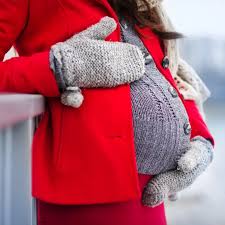
Winter Pregnancy Symptoms Reader Stories
Feeling a bit off this winter? When you’re expecting, your body goes through so many changes. Sometimes, these changes can feel a lot like what you might expect during the colder months.
It can be confusing to tell what’s a normal winter chill and what’s a sign your little one is on the way. Let’s dive into what many people experience and how to make sense of it all.
Winter pregnancy symptoms often overlap with typical early pregnancy signs, making it hard to pinpoint. Common experiences include increased fatigue, feeling colder or hotter than usual, nasal congestion, and dry skin. These are often exacerbated by the dry, cold air of winter and hormonal shifts.
Understanding Winter Pregnancy Signs
When you’re pregnant, your body is working overtime. This means you might notice changes that feel different than usual. Winter adds its own layer to this.
The cold air can make your nose feel stuffy. Your skin might get dry and itchy. You might also feel more tired than ever.
These are all normal things that can happen. But when they mix with pregnancy, it gets interesting.
Hormones are a big part of pregnancy. They change your body in many ways. These changes can make you feel hot one minute and cold the next.
They can also make you more sensitive to smells. This can be extra tricky in winter. Think about the smells of holiday baking.
They might bother you more than usual. It’s all part of the journey.
The lack of sunlight in winter can also play a role. Shorter days can make anyone feel a bit down or more tired. For pregnant people, this can add to the existing fatigue.
It’s like your body is telling you to slow down. And in winter, that’s easier said than done sometimes.
A Personal Winter Pregnancy Experience
I remember the first time I suspected I was pregnant. It was late November. The holiday season was just starting.
I felt incredibly tired. It wasn’t just regular tiredness. It was a deep, bone-weary exhaustion.
I would come home from work and want to sleep for hours. I blamed the dark evenings and the cold. I thought it was just winter getting to me.
Then came the strange chills. I would bundle up in sweaters and blankets. Yet, I still felt cold deep inside.
My husband would ask if the thermostat was broken. I just shrugged. I figured my circulation was off because it was so cold outside.
My hands and feet felt like ice cubes. It was a constant battle to warm them up.
One morning, I woke up with a terrible headache. My nose was completely stuffed up. It felt like I had a bad cold.
But I had no other cold symptoms. No fever, no sore throat. Just a stuffy, achy head.
I popped a pain reliever and tried to push through my day. That’s when a little voice in the back of my head started to whisper. Maybe this wasn’t just winter.
I remember looking in the mirror. My face looked a little puffy. My skin felt dry and tight.
I even noticed a slight blue tinge to my lips from the cold. I was so focused on the winter aspect that I almost missed the signs. It was a funny mix of holiday cheer and personal confusion.
The smell of pine trees from our Christmas tree actually made me feel a bit queasy. That was a clue I couldn’t ignore much longer.
Winter Pregnancy Symptom Snapshot
Feeling the Chill: Many pregnant people report feeling colder than usual. This can be due to hormonal changes and increased blood flow to your uterus, not necessarily the outdoor temperature. Your body is working hard to regulate its temperature.
It might feel like you’re always trying to catch up.
The Snooze Button Life: Extreme fatigue is a hallmark of early pregnancy. In winter, this can be amplified by shorter days and less natural light. Your body naturally craves more rest to support the growing life inside.
Listen to this urge!
Dryness Everywhere: Winter air is often very dry. This can lead to dry skin, chapped lips, and a stuffy nose. Pregnancy hormones can make your skin even more sensitive and prone to dryness.
Keeping hydrated is key.
Common Overlapping Symptoms
It’s easy to get these symptoms mixed up. Many early pregnancy signs can feel like normal winter woes. Let’s break down what’s common for both.
Fatigue: The Winter Staple and Pregnancy Powerhouse
In winter, days are shorter. Sunlight is less. This can naturally make us feel tired.
We want to curl up inside. Our bodies might crave more sleep. This is a common winter feeling for many people.
Pregnancy takes this to a new level. Early on, your body is creating a placenta. This takes a lot of energy.
So, extreme tiredness is very common in the first trimester. It can feel like a heavy blanket you can’t shake off. You might find yourself yawning constantly.
Even after a full night’s sleep, you might still feel drained. It’s your body’s way of saying, “Rest up!”
Feeling Cold vs. Feeling Hot
Winter means cold outside. Most people expect to feel chilly. But some pregnant people feel the opposite.
They feel overheated. This is due to increased blood flow. Your body is sending more blood to support the baby.
This extra circulation can raise your body temperature. You might find yourself sweating indoors. You might need to wear lighter clothes.
It’s like your internal thermostat is on the fritz. You might also feel more sensitive to heat. A warm room might feel stifling.
This can be confusing when it’s freezing outside. You might think you’re just getting sick. But it’s often your body adjusting to pregnancy.
Nasal Congestion: The Winter Sneak Attack
Dry winter air is a recipe for a stuffy nose. The air inside your home is often dry too. This can irritate your nasal passages.
It makes them swell up. This leads to that blocked feeling. Pregnancy can also cause nasal congestion.
Hormones can make the lining of your nose swell. This is sometimes called “pregnancy rhinitis.” It can happen any time of year. But in winter, it feels like a double whammy.
You might sneeze more. Your nose might feel constantly blocked. It can make breathing harder.
It can also affect your sense of smell. Things might smell stronger. Or you might lose your sense of smell.
This is a common, if annoying, pregnancy symptom.
Symptom Comparison: Winter vs. Pregnancy
Typical Winter:
- General tiredness from shorter days.
- Feeling cold due to external temperature.
- Dry skin and lips from cold, dry air.
- Occasional stuffy nose from dryness.
Early Pregnancy:
- Profound fatigue from hormonal changes.
- Feeling overheated due to increased blood flow.
- Dry skin and chapped lips due to hormonal shifts and blood flow.
- Nasal congestion from hormonal swelling.
The Role of Hormones and Body Changes
Pregnancy hormones are like tiny conductors. They direct a whole orchestra of changes in your body. Progesterone is one of the main players.
It helps keep your uterus relaxed. This is vital for a healthy pregnancy. But it also has other effects.
It can slow down your digestion. This can lead to bloating and constipation. It also affects your mood.
You might feel more emotional. Progesterone also plays a role in fatigue.
Estrogen is another key hormone. It helps your body prepare for pregnancy. It increases blood flow.
This can make your breasts feel sore and swollen. It also contributes to morning sickness. This is a common symptom.
It can happen any time of day. Nausea can be triggered by smells. This is where winter can get tricky.
The smells of baking spices or rich stews can be a lot.
Your body temperature regulation also shifts. Your basal body temperature can rise. This is why you might feel warmer.
It’s a normal part of the pregnancy process. This increased warmth can make you feel more sluggish. It can also make you feel like you’re overheating.
This is especially noticeable indoors.
The increased blood volume is another big change. Your body makes about 50% more blood when you’re pregnant. This extra blood nourishes the baby.
It also helps your body cope with the demands of pregnancy. This extra circulation can make your skin feel warmer. It can also affect how you feel the cold.
You might find your hands and feet feel colder. This is because blood is being prioritized for your core and uterus.
Key Hormonal Influences
Progesterone’s Role:
- Relaxes muscles, including those in the digestive tract.
- Contributes to fatigue and sleepiness.
- Helps maintain the uterine lining.
Estrogen’s Impact:
- Increases blood flow throughout the body.
- Can cause breast tenderness and swelling.
- May contribute to nausea and vomiting.
Reader Stories: Shared Experiences
I asked some friends and followers to share their winter pregnancy experiences. Here’s what they said. It’s amazing how similar yet unique everyone’s journey is.
Sarah from Ohio shared: “I was about six weeks pregnant in December. I felt like a walking ice pack. My hands and feet were constantly freezing.
But then, when I was inside my warm house, I felt like I was melting! I kept turning the heat down. My partner thought I was crazy.
I also had this constant feeling of needing to pee. I thought it was just the cold making me drink more, but it was so much more frequent.”
Maria from Minnesota wrote: “My first symptom was a metallic taste in my mouth. It happened around Thanksgiving. I thought I’d eaten something weird.
Then I started feeling so nauseous. The smell of my partner’s coffee in the morning was unbearable. I had to leave the room.
I kept thinking, ‘It’s just winter blues and holiday stress.’ I didn’t even consider pregnancy until I missed my period, which was already late because I was so stressed.”
Chloe from Colorado mentioned: “I had really dry, itchy skin. My legs looked like sandpaper. I tried every lotion known to man.
Nothing helped. I also felt this weird wave of dizziness if I stood up too fast. I’d just have to sit back down.
My joints also started to ache, especially my lower back. I figured it was just from shoveling snow. It wasn’t until I felt a dull ache in my lower belly that I started to think maybe it was something else.”
These stories highlight how our daily lives and the seasons can influence how we perceive pregnancy symptoms. It’s so easy to dismiss them as just part of winter.
Quick Scan: Real Winter Pregnancy Moments
Moment 1: The Constant Chill
Feeling cold indoors? Hands and feet like ice? This could be your body managing increased blood flow.
Moment 2: The Indoor Sauna
Feeling overheated even when it’s cold outside? Your internal thermostat might be on the rise.
Moment 3: The Dryness Dilemma
Skin feeling like a desert? Chapped lips that won’t quit? Winter air plus pregnancy hormones can make dryness worse.
Moment 4: The Unexplained Nausea
Certain smells hitting you harder than usual? Even pleasant ones? This is common pregnancy sensitivity.
When Winter Symptoms Aren’t Just Winter
So, how do you know if what you’re feeling is more than just winter blues or a cold? It’s about looking at the whole picture. It’s about noticing patterns.
And it’s about listening to your body.
Pay Attention to Timing
Did your symptoms start around the time you expected your period? Or just before? This is a big clue.
Pregnancy symptoms often kick in early. They can start within a week or two of conception. If your fatigue or nausea started suddenly.
And it wasn’t tied to a cold or flu. That’s worth noting. Winter symptoms tend to be more gradual.
They build up with the cold. Pregnancy symptoms can be more abrupt.
Consider the Intensity
Is the tiredness just a little more than usual? Or is it so profound you can barely function? Is the stuffy nose a mild annoyance?
Or is it making it hard to breathe? Pregnancy symptoms are often more intense. They can be overwhelming.
They disrupt your daily life. Winter effects are usually less severe. They’re more like background noise.
If your symptoms feel “loud,” it’s a sign to pay attention.
Look for Multiple Signs
Are you just feeling cold? Or are you feeling cold, tired, and maybe a little nauseous? Are your breasts more tender than usual?
Do you have frequent headaches? Pregnancy often comes with a cluster of symptoms. It’s rarely just one thing.
Winter might give you dry skin. It might make you feel tired. But it usually doesn’t give you all the pregnancy symptoms at once.
If you have several things happening together. It’s more likely pregnancy.
Red Flags: When to Seek Advice
Severe Nausea/Vomiting: If you can’t keep fluids down, talk to your doctor. This could be hyperemesis gravidarum.
Unusual Bleeding: Any bleeding, even spotting, should be reported to your healthcare provider immediately.
Intense Cramping: While some cramping is normal, severe or persistent pain is a concern.
High Fever: A fever over 101°F (38.3°C) needs medical attention.
What This Means for You
If you’re experiencing these winter-like symptoms and suspect you might be pregnant, the best thing to do is take a pregnancy test. Home pregnancy tests are very accurate these days. They detect the hormone hCG in your urine.
This hormone is produced after implantation.
If the test is positive, schedule an appointment with your doctor or a healthcare provider. They can confirm the pregnancy. They can also start you on prenatal care.
This is important for a healthy pregnancy. They will talk to you about your symptoms. They will help you understand what’s normal.
They will also advise you on how to manage any discomfort.
Even if your test is negative, but you still feel unwell, it’s a good idea to see a doctor. There could be other reasons for your symptoms. Maybe it’s a persistent winter bug.
Or maybe it’s something else entirely. It’s always better to be safe than sorry.
Remember to be kind to yourself. Pregnancy, especially in winter, can be challenging. Your body is going through a lot.
Allow yourself to rest. Stay hydrated. Eat nourishing foods.
And don’t hesitate to ask for help. Your well-being is the priority.
Quick Tips for Managing Winter Pregnancy Symptoms
Here are some simple things you can do to feel better:
- Stay Hydrated: Drink plenty of water. Herbal teas can also be good. This helps with dryness and keeps your body functioning well.
- Moisturize: Use a good quality lotion for your skin. A humidifier can help with dry air indoors.
- Rest When You Can: Don’t push yourself too hard. Take naps when you feel tired.
- Eat Well: Focus on balanced meals. Include fruits, vegetables, and whole grains.
- Get Fresh Air: Even a short walk outdoors can boost your mood and energy.
- Dress in Layers: This helps you adjust to temperature changes throughout the day.
- Manage Nausea: Try small, frequent meals. Ginger can be helpful. Avoid strong smells if they bother you.
- Talk to Your Doctor: If symptoms are severe or concerning, always seek medical advice.
Winter Pregnancy Survival Kit
Hydration Hero: Water bottle, herbal teas.
Skin Saver: Rich moisturizer, lip balm, humidifier.
Comfort Corner: Cozy blankets, comfortable loungewear.
Nourishment Station: Easy-to-prepare healthy snacks.
Mindful Moments: Gentle stretching, meditation app.
Frequently Asked Questions About Winter Pregnancy
Can the cold weather cause pregnancy symptoms?
No, the cold weather itself does not cause pregnancy symptoms. However, the symptoms of early pregnancy can sometimes feel similar to how you might feel during winter. For example, fatigue and dry skin are common in both situations. Pregnancy symptoms are caused by hormonal changes in your body.
Why do I feel colder when I’m pregnant in winter?
It’s a common experience to feel colder or have cold hands and feet when pregnant. This is often due to your body directing more blood flow to your uterus and baby, and away from your extremities. While winter makes the outdoor temperature cold, your internal body changes during pregnancy can make you feel the chill more acutely or differently than usual.
Is it normal to feel overheated in winter while pregnant?
Yes, it is very normal to feel overheated in winter while pregnant. Pregnancy increases your metabolism and blood volume, which generates more body heat. Hormonal changes can also affect your body’s thermostat, making you feel warmer than usual, even when the outdoor temperature is cold.
How can I tell if my stuffy nose is from winter or pregnancy?
Both dry winter air and pregnancy hormones can cause nasal congestion. If your stuffy nose started around the time you might have conceived and is persistent, it could be pregnancy rhinitis. Pregnancy-related congestion may also be accompanied by other early pregnancy signs like fatigue or nausea, whereas winter congestion might occur alongside cold symptoms.
What are the most common early pregnancy symptoms in winter?
The most common early pregnancy symptoms that can be mistaken for winter issues include extreme fatigue, heightened sensitivity to smells, nausea (morning sickness), frequent urination, sore breasts, and mood swings. These are all driven by your body’s hormonal shifts, intensified by the usual winter conditions.
Should I be worried about dry skin during winter pregnancy?
Generally, dry skin during winter pregnancy is not a cause for major worry, but it can be uncomfortable. Pregnancy hormones can make your skin more sensitive and prone to dryness. Using a good moisturizer, staying hydrated, and using a humidifier can help manage this. If the dryness is severe or accompanied by a rash, consult your doctor.
Final Thoughts on Your Winter Journey
Navigating pregnancy during the winter months can feel like a double challenge. It’s easy to get symptoms mixed up. But by understanding what’s normal for both winter and pregnancy, you can feel more in control.
Trust your instincts. Listen to your body. And don’t hesitate to reach out for support.
You’re doing a wonderful job.

Related Posts

Paid Pregnancy Community Membership

Email Segmentation Pregnancy Newsletter